I remember being ten years old, crouched under my dad’s old sedan, watching him struggle with a jack while a mechanic from the local shop tried to charge him a fortune just to move some rubber around. That guy acted like knowing the right tire rotation patterns was some kind of dark magic that only a certified professional could master. It’s honestly one of the biggest scams I see in the shop today—mechanics treating a ten-minute job like it’s a complex surgical procedure just to pad the invoice.
Look, I’m not here to give you some textbook lecture or sell you on expensive shop equipment you don’t need. I’ve spent enough time with grease under my fingernails to know that most of this stuff is actually pretty straightforward once you strip away the jargon. I’m going to show you the exact way to handle your own wheels so you can stop overpaying for basic maintenance. We’re going to break down the actual patterns that work for your specific setup, keeping it simple, honest, and effective so you can get back on the road without getting ripped off.
Table of Contents
- Why Your Tire Tread Depth Importance Matters More Than You Think
- Identifying Tire Uneven Wear Causes Before They Cost You Money
- 5 Ways to Actually Get Your Rotation Right
- The Bottom Line on Rotating Your Tires
- ## The Real Reason We Rotate
- Bottom Line: Don't Let Your Tires Die Early
- Frequently Asked Questions
Why Your Tire Tread Depth Importance Matters More Than You Think

Look, I’ve seen plenty of guys ignore their tread depth until they’re hydroplaning on a rainy highway, and honestly, it’s scary. It’s not just about having “enough” rubber; it’s about how that rubber interacts with the road. When your tread gets too low, you lose that ability to channel water away, which basically turns your tires into slick hockey pucks. Understanding tire tread depth importance is the difference between staying in your lane and ending up in a ditch.
The real headache starts when you notice tire uneven wear causes like cupping or feathering. If you see one side of the tire looking much smoother than the other, your rotation pattern is probably messed up, or your alignment is shot. I always tell people to check their tread every few months—don’t wait for a warning light or a weird vibration to tell you something is wrong. Keeping an eye on this is a huge part of a solid automotive maintenance schedule, and it’s one of the easiest ways to make sure you aren’t throwing money away on a premature set of four new tires.
Identifying Tire Uneven Wear Causes Before They Cost You Money
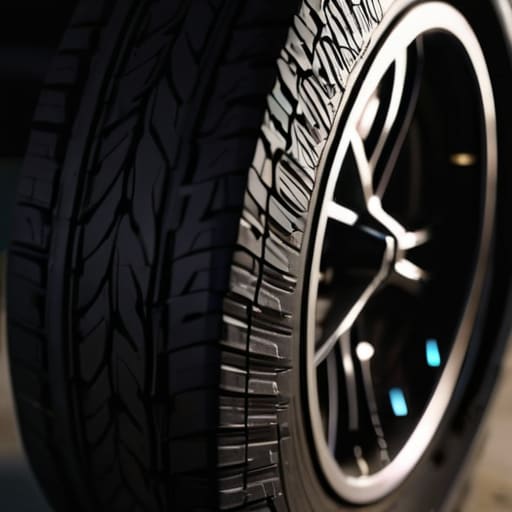
If you notice your tires looking a bit wonky, don’t just ignore it and hope for the best. Checking for tire uneven wear causes is basically like being a detective for your car. If you see heavy wear on just the inside or outside edges, you’re likely looking at an alignment issue. If the tread looks “cupped” or wavy, that’s usually a sign that your shocks or struts are shot and can’t keep the rubber pressed firmly against the pavement.
You also need to pay attention to how the wear matches your specific setup. For instance, if you’re running a standard front wheel drive rotation, the front tires are going to take a massive beating from steering and braking. If you see them wearing down way faster than the rears, it’s a sign you’re skipping your maintenance or your suspension is struggling. Catching these patterns early means you’re just adjusting a part instead of buying a whole new set of rubber. Trust me, watching the tread is a lot cheaper than a surprise trip to the tire shop.
5 Ways to Actually Get Your Rotation Right
- Don’t just guess the pattern; check your owner’s manual first. Some cars are front-wheel drive and some are all-wheel drive, and they use totally different setups. If you mess up an AWD rotation, you might end up with more problems than you started with.
- Watch for directional tires. If your tires have an arrow on the sidewall, they only spin one way. You can move them from front to back, but you can’t swap them from left to right, or you’ll basically be driving on the wrong tread.
- Always check your pressure right after you move them. Moving a tire from the heavy front end to the lighter rear end changes how it sits, and if you don’t re-adjust the PSI, you’re just asking for uneven wear.
- Keep an eye on the “cross” pattern for rear-wheel drive cars. Swapping the rear tires from left to right helps even out the wear that happens when you’re accelerating, which keeps the rubber lasting longer.
- Don’t wait for a warning light. If you’re feeling a vibration or hearing a rhythmic thumping, your rotation pattern is probably already messed up. Catch it early before you have to shell out for a whole new set.
The Bottom Line on Rotating Your Tires
Don’t wait for a warning light or a weird vibration to check your tread; if you notice uneven wear early, you can fix it with a simple rotation instead of buying a whole new set of rubber.
Every car is different, so don’t just guess—check your owner’s manual for the specific pattern (like forward cross or X-pattern) that actually works for your drivetrain.
Consistency is everything; if you stay on top of a regular rotation schedule, you’re basically forcing your tires to wear out evenly, which keeps more money in your pocket and keeps you safer on the road.
## The Real Reason We Rotate
Look, shops love to act like tire rotation is some high-level science, but it’s actually just basic math. If you let your front tires do all the heavy lifting while the rears just ride along, you’re basically throwing money into the gutter every time you hit a pothole. Rotate them on a schedule, and you’ll get way more life out of a set of rubber.
Nikolai·Osterman
Bottom Line: Don't Let Your Tires Die Early
Look, we’ve covered a lot here, from why tread depth is your best friend to spotting those annoying uneven wear patterns before they turn into a massive repair bill. At the end of the day, it all comes down to staying ahead of the curve. Whether you’re running a simple forward cross pattern or something more specific for your AWD setup, the goal is the same: even distribution of weight and friction. If you keep an eye on how your rubber is wearing and stick to a regular rotation schedule, you aren’t just saving your tires; you’re protecting your wallet from unnecessary replacements and keeping your handling predictable when it actually matters.
I know it feels like just another chore on an endless list of car maintenance, but trust me, it’s one of the easiest ways to take control of your ride. You don’t need a fancy shop setup or a specialized degree to do this right—just a jack, a torque wrench, and a little bit of discipline. Don’t let some shop talk you into a “premium tire service” when you can handle the basics yourself. Get in there, get your hands a little dirty, and take ownership of your machine. Your car will run better, and you’ll know for a fact that the job was done right.
Frequently Asked Questions
Do I really need to rotate my tires if I have all-wheel drive, or is that just a mechanic's way of padding the bill?
Look, I get why you’re skeptical—it feels like a total cash grab. But honestly? If you’ve got AWD, rotating is actually more important, not less. Those systems are sensitive; if one tire has significantly more tread than the others, it can mess with the drivetrain and cause serious, expensive damage to your differentials. Don’t let a shop overcharge you, but don’t skip this either. Just swap them regularly to keep everything even.
If I notice one side of my tread is wearing down faster than the rest, does rotating them actually fix the problem or am I just moving the issue around?
Look, I’ll be straight with you: rotating them won’t fix the root cause. If you’ve got uneven wear, you’re just moving the problem to a different corner of the car. Rotating is about spreading the wear evenly so you get more life out of the rubber, but it’s not a magic cure for bad alignment or worn-out suspension. Fix the underlying issue first, or you’re just wasting your time and your money.
How often am I actually supposed to be doing this—is every 5,000 miles a real thing or is that just a random number?
Look, the 5,000-mile thing is basically the industry standard, but it’s not some magical law of physics. It’s more of a safe baseline. If you’re just commuting on smooth highways, you might stretch it to 7,000 or 8,000. But if you’re hitting potholes, driving on gravel, or driving a heavier truck, stick to that 5k mark. Honestly, just check your tread every few oil changes. If it looks uneven, move them.
