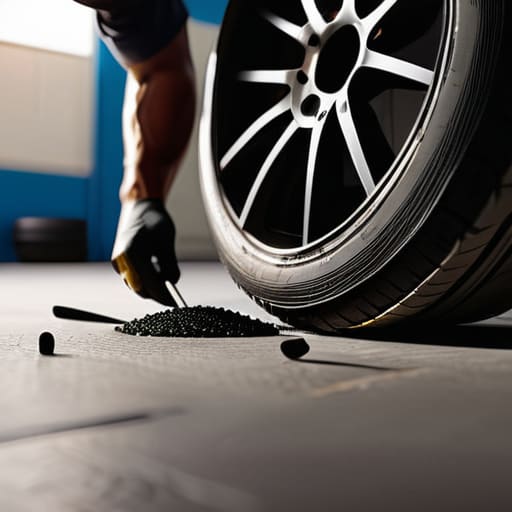
I remember being stuck in my driveway last summer, staring at a slow leak that felt like a death sentence for my weekend plans. I called up a local shop, and the guy on the phone acted like a simple tire patch repair was some kind of surgical procedure that required a specialized technician and a hundred-dollar service fee. It’s honestly exhausting how some shops try to make a five-minute fix sound like a major overhaul just to pad their invoices. You aren’t helpless just because you hit a stray nail; you just need to know what’s actually going on inside that rubber.
I’m not here to give you some textbook lecture or sell you on expensive, unnecessary shop equipment. I’m going to show you exactly how to handle a tire patch repair using basic tools you probably already have in your trunk. My goal is to give you the straight truth on when a patch is a solid fix and when you actually need to bite the bullet and buy a new tire. Let’s get under the hood—or in this case, under the wheel well—and get you back on the road without getting ripped off.
Table of Contents
The Truth About Internal Tire Patch vs Plug
Look, I’ve seen way too many people try to save five bucks by just shoving a plug into a hole and calling it a day. It’s tempting, especially if you’re stuck on the side of the road with an emergency tire repair kit, but here’s the reality: a plug is a temporary band-aid, not a fix. Plugs only seal the hole from the outside, leaving the inner liner exposed to moisture and debris. Over time, that can lead to internal corrosion that you won’t even see until it’s too late.
When we talk about an internal tire patch vs plug, the patch is the only way to go if you actually care about long-term reliability. A proper patch seals both the puncture and the inner liner, creating a structural bond that keeps the tire stable. If you’re looking at fixing a flat tire safely, you have to treat the puncture as a structural issue, not just a leak. Most shops won’t even touch a tire if they see the damage is too close to the shoulder, because no amount of patching can fix a compromised tire sidewall damage assessment. Stick to the patch; it’s worth the extra effort.
Fixing a Flat Tire Safely Without the Stress

Look, I’ve seen too many people try to rush a repair on the side of a busy highway, and honestly, it’s how accidents happen. If you’re stuck on the shoulder, the first thing you need to do is get yourself into a safe spot, away from moving traffic. Before you even touch a tool, perform a quick tire sidewall damage assessment. If the puncture is too close to the edge of the tread or if you see any bulging, stop right there. That’s not a fixable leak; that’s a structural failure, and trying to patch it is just asking for a blowout.
Once you’re in a secure area, don’t just grab the first thing you find in your trunk. While emergency tire repair kits are great for getting you to a shop, they aren’t a permanent solution for a structural hole. Take a breath, clear your workspace, and make sure your jack is on solid ground. Most of the stress comes from feeling rushed, but if you follow the proper steps, you’ll realize that fixing a flat tire safely is actually pretty straightforward once you stop panicking.
Pro Tips to Keep You From Making a Mess of It
- Don’t even think about patching a puncture if it’s sitting in the sidewall; that’s a death sentence for the tire and you’ll just end up needing a new one anyway.
- Clean the area like your life depends on it, because if there’s grit or road grime left in that hole, your patch isn’t going to seal, and you’ll be back on the side of the road in twenty minutes.
- Use a proper reamer to prep the hole; you need to roughen up those inner edges so the vulcanizing fluid actually has something to bite into.
- Give the patch plenty of time to cure before you pump it back up to full pressure—I know it’s annoying when you’re in a rush, but rushing this part is how you end up with a slow leak.
- Always double-check your work with some soapy water after you’re done; if you see any bubbles, you missed a spot and need to redo it before you hit the highway.
The Bottom Line on Fixing That Flat
Stop relying on those cheap plug kits for anything other than an emergency; if you want a fix that actually lasts, you’ve got to go with an internal patch.
Safety isn’t optional—never try to patch a tire while it’s still on the car or while it’s spinning, and always make sure you’ve cleared the puncture site properly.
Don’t let a shop talk you into a new tire if the damage is in a repairable zone; as long as the puncture isn’t on the sidewall, you can save your cash and do it yourself.
## Don't Get Sold a Bill of Goods
“Look, a plug is fine if you’re stuck on the side of a highway and just need to limp home, but if you actually care about your rims and your safety, you do an internal patch. Don’t let some shop charge you for a full replacement when a proper patch keeps that tire running perfectly for another ten thousand miles.”
Nikolai·Osterman
Don't Let a Flat Slow You Down
Look, at the end of the day, fixing a tire isn’t some dark art reserved for master technicians. We’ve covered why you should skip the quick plug and go for a proper internal patch if you actually want the job done right, and we talked about how to stay safe while you’re working in the driveway. It really comes down to two things: choosing the right method and having the right gear. If you take the time to do it correctly instead of just slapping a plug in and hoping for the best, you’re already ahead of 90% of the drivers on the road. Just remember to double-check your pressure once you’re finished to make sure that seal is holding tight.
I know it can feel intimidating when you’re staring at a deflated tire and a pile of tools, but don’t let that stop you. Every time you handle a repair like this yourself, you’re taking a bit of control back from the shops that try to overcharge for the basics. It’s about more than just saving a few bucks; it’s about the confidence that comes with knowing exactly what’s happening under your wheels. Grab your tools, take it one step at a time, and don’t be afraid to get your hands dirty. You’ve got this.
Frequently Asked Questions
Can I still use a plug if the puncture is on the sidewall of my tire?
Short answer? Absolutely not. If you see a puncture on the sidewall, stop right there. That’s a death sentence for that tire. The sidewall handles all the flexing and weight distribution while you’re driving; a plug or a patch just won’t hold up under that kind of stress. Trying to fix it is dangerous and honestly, it’s not worth the risk of a blowout. If it’s on the side, it’s time for a new tire.
How do I know if the damage is too bad to patch and I just need a new tire?
Look, I’ve seen plenty of guys try to save a buck only to end up on the side of the road with a blown sidewall. If the puncture is in the sidewall or the shoulder of the tire, stop right there. That’s a hard no. Also, if you’re looking at a massive gash or if the internal structure looks frayed and messy, just bite the bullet. It’s not worth risking a blowout for a cheap fix.
Will a patch job hold up if I'm driving on the highway or doing more spirited driving?
Look, if you’re talking about a quick plug from a roadside kit, I wouldn’t trust that on a highway run or if you’re hitting corners hard. Plugs are just temporary band-aids. But if you’ve done a proper internal patch—the kind where we clean the area and seat it from the inside—you’re good to go. A real patch is structurally sound and can handle the heat and pressure of highway speeds without breaking a sweat.
