I still remember the smell of that freezing November morning when my dad’s old sedan refused to turn over, leaving us stuck in the driveway with nothing but a dead silence and a heavy sense of dread. I spent half my childhood staring at those terminal posts, learning that most people treat battery maintenance like some mysterious, expensive ritual that only a shop can handle. Honestly, it drives me crazy when mechanics try to charge you a hundred bucks just to tell you your terminals are corroded. You don’t need a fancy diagnostic machine to see that crusty white buildup is killing your connection; you just need to know what you’re looking at.
I’m not here to give you some textbook lecture or sell you on overpriced additives you don’t need. My goal is to give you the straight truth about how to actually keep your power cell alive through the seasons without getting ripped off. We’re going to talk about the real-world stuff—cleaning connections, checking voltage, and spotting the warning signs before you’re stranded in a parking lot. I’ll show you how to handle it yourself, because keeping your car on the road shouldn’t require a specialized degree.
Table of Contents
Spotting the Warning Signs of a Dying Battery
Most people don’t realize their battery is toast until they’re sitting in a parking lot staring at a dead dashboard. You’ve gotta listen to the car; it’ll try to tell you something is wrong. If your engine sounds like it’s struggling to turn over—that slow, labored cranking sound—that’s a massive red flag. It’s usually not a bad starter, but your battery finally giving up the ghost. You might also notice your headlights getting dim or flickering when you idle at a stoplight. If that’s happening, your automotive battery lifespan is likely reaching its limit.
Another thing to watch for is the physical state of the terminals. Pop the hood and look for that nasty, white, crusty powder buildup. That’s battery terminal oxidation, and it acts like an insulator, basically choking off the electricity before it can even reach your starter. If you see that gunk, you’re looking at one of the clearest signs of a dying battery or at least a connection that’s failing. Don’t just ignore it; a little cleaning now saves you from having to learn how to jump start a car in the middle of a rainstorm later.
Checking Battery Electrolyte Levels Without a Degree
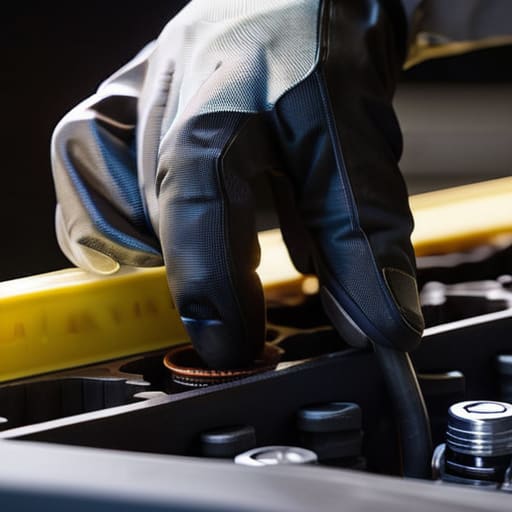
Now, if you’ve got an older style battery with removable caps, you can actually peek inside to see what’s going on. This is one of those things that sounds intimidating, but checking battery electrolyte levels is pretty straightforward once you get past the fear of getting dirty. All you need to do is pop those plastic caps off—don’t force them, just a gentle twist—and look at the fluid level. You want to see the liquid covering the lead plates inside. If the plates are staring back at you like they’re sitting in a desert, your battery is struggling, and that’s a major red flag for your overall automotive battery lifespan.
If the levels are low, don’t panic and don’t go throwing random liquids in there. You need to use distilled water only. Tap water has minerals that’ll wreck your internals faster than a bad alternator. I always keep a small jug of distilled water in my toolkit for exactly this reason. While you’re in there, keep an eye out for any weird discoloration or sediment. Keeping these levels steady is a huge part of preventing battery corrosion before it starts, saving you from a massive headache down the road.
5 Things I Do to Keep My Battery From Quitting on Me
- Clean those terminals. If you see white, crusty powder buildup on the posts, that’s acid corrosion. It messes with the connection and makes your car struggle to start. Grab a wire brush and some baking soda mixed with water to scrub that junk off.
- Tighten your connections. I’ve seen so many people get stranded just because a terminal was loose. Give the cables a little wiggle; if they move at all, they’re too loose. Grab a wrench and snug them down so they don’t vibrate loose while you’re driving.
- Watch your parasitic draws. If you leave a dome light on or a charger plugged in overnight, you’re basically bleeding your battery dry. Get in the habit of doing a quick walk-around to make sure nothing is draining power while the car is parked.
- Keep it clean, keep it dry. A dirty battery case can actually hold onto moisture and create a tiny electrical path that slowly drains your charge. Just wipe the top down with a rag so it stays dry and clear of any debris.
- Don’t let it sit too long. If you have a project car or a secondary vehicle that sits in the garage for weeks, the battery is going to die. Plug in a smart trickle charger—not the cheap old-school ones—to keep the charge steady without cooking the cells.
The Bottom Line on Battery Care
Don’t ignore the signs; if your engine sounds like it’s struggling to turn over or your lights are dimming, your battery is already screaming for help.
Keep those terminals clean—if you see white, crusty buildup, scrub it off immediately so you don’t end up stranded.
You don’t need fancy gear to stay ahead; just a quick visual check under the hood once a month can save you a massive headache and a tow truck bill later.
## The Real Cost of Neglect
“A mechanic’s gonna charge you a hundred bucks just to tell you your battery’s toast, but if you’d spent five minutes cleaning the corrosion off your terminals last month, you’d still be driving.”
Nikolai·Osterman
The Bottom Line
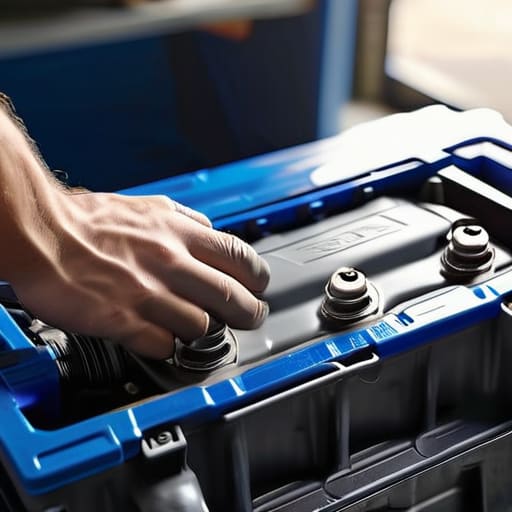
Look, keeping your battery alive isn’t some high-level science experiment. It really just comes down to being proactive. If you can spot those early warning signs like a slow crank or a dim dashboard, and you know how to clear off that nasty corrosion on the terminals, you’re already ahead of ninety percent of drivers. Don’t let a little bit of buildup or a neglected connection turn into a total breakdown in the middle of a grocery store parking lot. Just keep an eye on it, keep the connections clean, and make sure your battery isn’t being worked harder than it needs to be. It’s about staying one step ahead of the hardware.
At the end of the day, I don’t want you to feel intimidated when you pop that hood. Most people see a battery and think it’s just a black box they aren’t allowed to touch, but that’s exactly how they end up paying a mechanic double for something you could’ve handled yourself. You don’t need a fancy diagnostic computer to understand the basics of your own machine. Grab a wrench, get a little grease on your hands, and take control of your ride. Once you realize that most of this stuff is just simple maintenance, you’ll stop fearing the repair shop and start trusting your own hands.
Frequently Asked Questions
My battery looks clean, but is there a way to test if it's actually holding a charge without buying an expensive multimeter?
If you don’t want to drop cash on a multimeter, grab a cheap voltmeter or even just watch your headlights. When you’re idling, flick your high beams on. If they look dim or flicker when you turn the AC on, that battery’s struggling to hold a steady load. Another trick? If your car struggles to crank but sounds “sluggish” rather than a sharp, fast turnover, it’s a dead giveaway that the charge is dropping.
How often should I actually be cleaning those terminal connections to stop the corrosion from coming back?
Look, if you’re seeing that white, crusty powder building up, you’re already behind. I’d say aim for a quick visual check every few months when you’re doing your basic fluids. If you actually see corrosion starting to creep around the terminals, don’t wait—clean it off immediately. Keeping them spotless once a season is a good rule of thumb to stop that acid buildup from eating your connections and killing your starter.
If I'm only driving short distances around town, am I actually doing more harm than good to my battery?
Honestly? Yeah, you probably are. If you’re just running to the grocery store and back, your alternator barely has enough time to replace the juice you used just to crank the engine. You’re basically putting your battery in a constant state of discharge. It never gets a full charge, which kills it way faster than long highway hauls. If that’s your life, try taking the car for a longer spin once a week.
