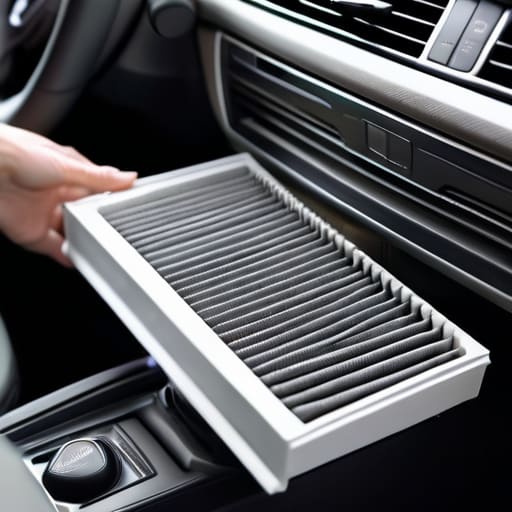
Ever notice how your car starts smelling like a damp basement or a pile of old gym socks the second you kick the AC on? I was working on a customer’s sedan last week—nothing fancy, just a standard commuter—and the stench was so bad it actually made my eyes water. Most shops will try to tell you that your HVAC system is shot or that you need some expensive chemical cleaning service to fix it. But honestly? Nine times out of ten, you’re just breathing through a disgusting, clogged cabin air filter that hasn’t been touched in years.
I’m not here to sell you on some high-tech, overpriced replacement part or a service package that costs more than your monthly grocery bill. I’m just going to show you how to stop breathing in road grime and pollen by swapping that filter out yourself. It’s a five-minute job that requires zero special tools, and I promise you’ll feel a massive difference in your air quality immediately. Let’s get into it.
Table of Contents
Spotting the Signs of a Clogged Air Filter
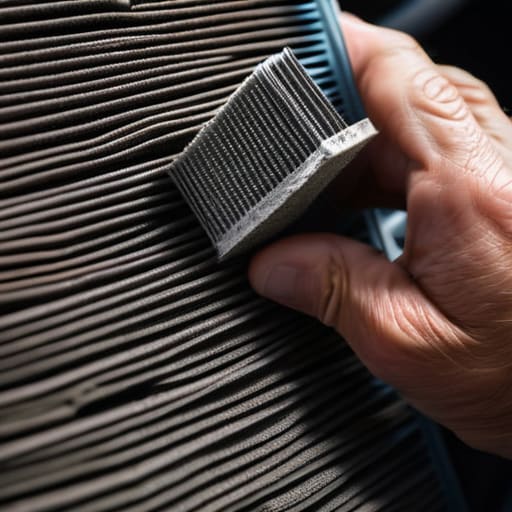
You don’t always need a diagnostic scanner to know something is wrong; usually, your car will tell you through your nose or your lungs. If you step into your car and it smells like a basement or just plain stale, that’s a massive red flag. When the material gets packed with debris, it stops being an effective barrier and starts trapping moisture and bacteria instead. This is one of the biggest mistakes people make when it comes to preventing car odors, but honestly, if it smells funky, the job is already overdue.
Another dead giveaway is how your AC or heater feels. If you crank the fan to max and it feels like a weak breeze instead of a blast of air, your airflow is being choked out. You might also notice a weird whistling sound or extra dust settling on your dashboard even after a vacuum. These are classic signs of a clogged air filter that most people just ignore until their defrost stops working entirely. Don’t wait until you’re sweating in a parking lot to realize your ventilation is struggling.
Hepa Cabin Filter Benefits You Cant Ignore
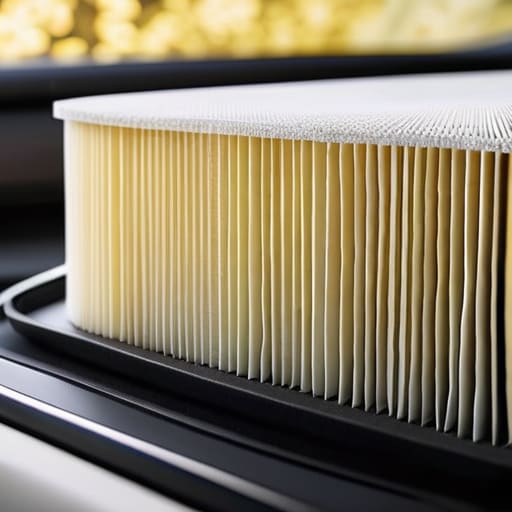
Look, if you’re still using those cheap, generic filters that look like a piece of cardboard, you’re missing out. Upgrading to a high-quality HEPA option is one of the easiest ways to level up your vehicle interior air purification. While a standard filter might catch the big stuff, a HEPA-grade unit is designed for serious dust and pollen filtration in cars. It traps the microscopic particles that standard filters just let slide right through. If you deal with seasonal allergies, this isn’t just a luxury; it’s a game-changer for actually being able to breathe while you’re stuck in traffic.
Beyond just the air quality, it plays a huge role in preventing car odors from settling into your upholstery. When a filter is junk, it can’t effectively manage the airflow, which often leads to that musty, damp smell whenever you kick the AC on. Keeping your automotive HVAC system maintenance on point with a HEPA upgrade means you’re not just cleaning the air—you’re protecting the entire system from getting bogged down by fine debris. It’s a small investment that keeps your cabin feeling fresh and clean instead of like a dusty basement.
Pro Tips for Keeping Your Air Clean (And Your Wallet Full)
- Don’t wait for a bad smell to act; check your filter every time you get an oil change just to see how much junk it’s actually catching.
- When you’re buying a replacement, skip the “premium” branded box if it’s overpriced and just look for the actual micron rating—that’s what actually matters for filtering out the fine dust.
- Grab a flashlight before you start; most of these filters are tucked behind the glovebox in dark corners, and you don’t want to be fumbling around and dropping screws into the dash.
- If you live somewhere with heavy pollen or construction nearby, double your replacement frequency; those filters work overtime and clog up way faster than the manual says.
- Always make sure the “airflow” arrows on the side of the new filter are pointing the right way before you slide it in, or you’ll end up choking your HVAC system.
The Bottom Line on Your Cabin Filter
Don’t wait for your AC to start smelling like a gym locker; if your airflow feels weak or dusty, that filter is likely shot and needs a swap.
Upgrading to a HEPA filter is a small investment that actually pays off by keeping the nasty stuff—pollen, smog, and fine dust—out of your lungs.
You don’t need to pay a shop $50 plus labor just to change a part that usually takes less than five minutes and zero specialized tools to replace yourself.
The Truth About Your Air Quality
Most shops will try to charge you fifty bucks just to pop a plastic cover and slide in a new filter, but honestly? If you can change a lightbulb, you can do this. Don’t pay a premium just to breathe in dust and pollen every time you hit the highway.
Nikolai·Osterman
Final Thoughts Before You Hit the Road
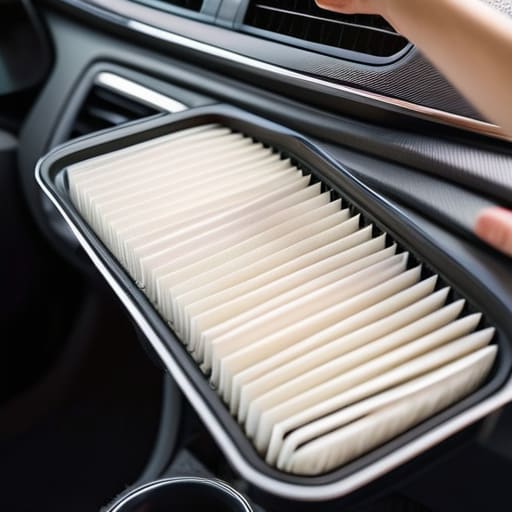
At the end of the day, swapping out your cabin air filter isn’t some complex engine rebuild that requires a lift and a specialized scanner. It’s just about paying attention to your car. Whether you’re noticing a weird smell when the AC kicks on, dealing with a layer of dust on your dashboard, or realizing your airflow feels weak, those are your car’s ways of telling you it’s time for a change. If you decide to go the HEPA route, you’re basically giving yourself a buffer against pollen and exhaust fumes, which is a massive win for your lungs. Don’t let a dirty, cheap filter turn your car into a mobile dust bin; grab a new one and get it done.
I know it can feel intimidating when you first look under the hood or behind the glovebox, but I promise you, you’ve got this. My dad used to say that the best way to learn is to just get your hands a little dirty, and he was right. Every time you handle a simple maintenance task like this yourself, you’re taking control back from the shops that try to overcharge for the easy stuff. You don’t need to be a master tech to keep your air clean and your ride comfortable. Just take it slow, use the right tools, and trust your own hands.
Frequently Asked Questions
Do I really need to buy those expensive HEPA filters, or will a standard one do the job?
Look, I’ll be real with you: unless you’ve got severe asthma or you’re constantly driving through wildfire smoke and heavy construction zones, you don’t need to drop extra cash on a HEPA filter. A standard, decent quality filter does 90% of the heavy lifting. Don’t let a shop talk you into the premium stuff just to pad their margins. Save that money for better oil or a new set of wipers.
How often should I actually be checking this thing if I don't live in a super dusty area?
Look, if you aren’t driving through construction zones or desert trails every day, you don’t need to obsess over it. I usually tell people to just check it once a year—maybe during your spring oil change. If you’re hitting 12,000 to 15,000 miles and the air feels a bit stale, just pop the housing open and take a look. If it looks clean, leave it. If it’s gray? Swap it. Simple as that.
Is there any way to tell if my filter is actually bad without taking the whole thing apart first?
Honestly, you don’t always have to tear things apart to know something’s up. If your AC feels weak or you’re getting weird smells—like old gym socks—every time you hit the vents, that’s a massive red flag. Also, keep an eye on your airflow; if you have to crank the fan to max just to feel a breeze, your filter is probably choked with dust. It’s usually a dead giveaway.
