I remember sitting in my dad’s garage when I was twelve, watching him stare at a dashboard light like it was some kind of unsolvable riddle. Back then, if a check engine light popped up, you basically had to take it to a dealership and pray they didn’t charge you three hundred bucks just to tell you a sensor was dusty. It used to feel like there was this massive wall between us and the actual guts of the machine, but honestly? That’s mostly a lie. All you really need is a decent diagnostic scanner to bridge that gap and finally hear what your car is trying to tell you.
I’m not here to sell you some overpriced, professional-grade rig that requires a PhD to operate. My goal is to cut through the marketing fluff and show you how to use a diagnostic scanner to actually solve problems without getting ripped off. I’ll walk you through what to look for, what the codes actually mean, and how to avoid the common traps that leave people wasting money on parts they don’t even need. Let’s get to work.
Table of Contents
- Decoding the Check Engine Light Meaning Without the Mechanics Markup
- Mastering Obdii Protocol Compatibility for Your Own Garage
- Five Ways to Stop Wasting Money and Start Using Your Scanner Like a Pro
- The Bottom Line: Don't Let the Data Intimidate You
- ## The Truth About the Check Engine Light
- Stop Guessing and Start Fixing
- Frequently Asked Questions
Decoding the Check Engine Light Meaning Without the Mechanics Markup
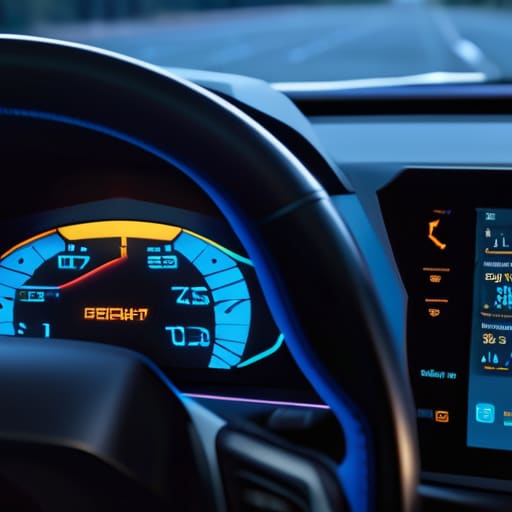
When that little orange engine icon pops up on your dash, your first instinct might be to panic and book an appointment at the dealership. Don’t. Most of the time, the car isn’t about to explode; it’s just trying to tell you something is slightly out of spec. If you grab a basic reader, you’ll get a code that points you in the right direction, but understanding the actual check engine light meaning requires a bit more digging. You aren’t just looking for a random string of letters and numbers; you’re looking for the specific component that’s acting up.
Instead of letting a shop charge you a hundred bucks just to “interpret” a code, you should look into automotive scan tool features that give you more context. A decent tool won’t just tell you that a sensor is failing; it can show you how that sensor is performing in the moment. If you can see the live data, you can tell if a part is truly dead or if it’s just a loose connection or a dirty sensor. Once you’ve actually fixed the problem, you can use the tool for clearing error codes to reset the system and get back on the road.
Mastering Obdii Protocol Compatibility for Your Own Garage
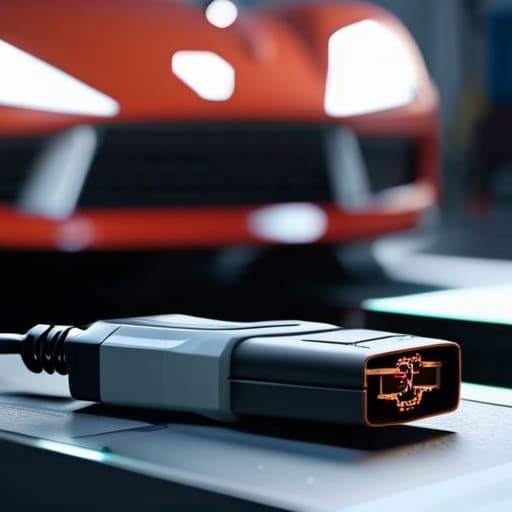
Look, before you drop fifty bucks on some random piece of plastic online, you need to understand OBDII protocol compatibility. It sounds like a mouthful, but it’s basically just making sure the tool speaks the same language as your car’s computer. Most cars made after 1996 follow the standard, but if you’re messing with something older or a weird import, a generic reader might just sit there staring at you blankly. I’ve seen guys buy a fancy unit only to realize it can’t actually communicate with their specific ECU, which is a total waste of cash.
Once you know the tool actually fits your ride, you want to look past just clearing error codes. Anyone can hit a button to turn off a light, but that doesn’t actually fix the problem. You want to find something that offers real-time data stream monitoring. That’s where the real magic happens—seeing exactly how your oxygen sensors or fuel trims are behaving while the engine is actually running. It’s the difference between just guessing and actually knowing what’s happening under the hood.
Five Ways to Stop Wasting Money and Start Using Your Scanner Like a Pro
- Don’t just clear the code and drive away. If that light pops back on ten minutes later, you didn’t fix the problem, you just hid the symptom. Use the scanner to find the “Freeze Frame” data—it shows you exactly what the engine was doing the second things went sideways.
- Stop buying the cheapest $15 handhelds you see on those random shopping sites. They’re okay for a quick glance, but if you want to actually see live data streams—like how your oxygen sensors are performing in real-time—you’re gonna need something with a bit more backbone.
- Learn to read the “Live Data” instead of just hunting for error codes. A code tells you something is broken, but live data tells you how it’s breaking. Watching your fuel trims or manifold pressure while the engine is actually running is where the real diagnostic magic happens.
- Keep a small notebook or a notes app on your phone handy. When you pull a code, write down the exact alphanumeric string and the mileage. It helps you track if a sensor is slowly dying over time or if it just had a random glitch.
- Always check your battery voltage before you start a deep diagnostic session. If your battery is weak or your alternator is acting up, it can throw a dozen “ghost codes” that have nothing to do with the actual engine components. Fix the power, and half your headaches might just disappear.
The Bottom Line: Don't Let the Data Intimidate You
A scanner isn’t a magic wand, but it’s your best way to stop guessing; use the codes to pinpoint the problem so you don’t waste money buying parts you don’t actually need.
Make sure you’re checking protocol compatibility before you buy, because a scanner that can’t talk to your car’s specific computer system is just an expensive paperweight.
Treat the scanner as a starting point for your research, not a final answer—once you have the code, use it to learn exactly what’s happening under the hood.
## The Truth About the Check Engine Light
A diagnostic scanner isn’t some high-tech mystery box designed to keep you in the dark; it’s just a translator that tells you exactly what your car is complaining about so you don’t end up paying a shop five hundred bucks to replace a sensor that costs twenty.
Nikolai·Osterman
Stop Guessing and Start Fixing
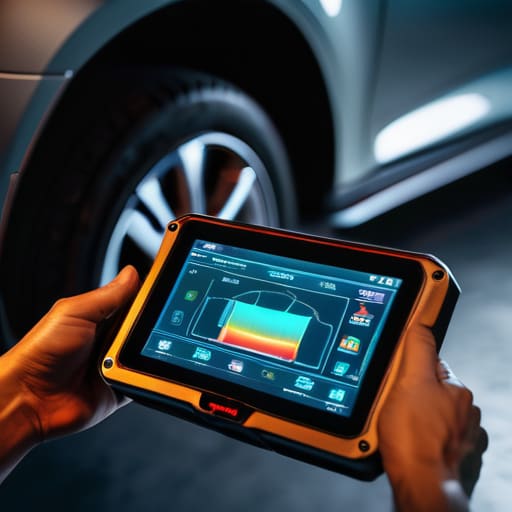
Look, getting a diagnostic scanner isn’t about turning yourself into a master technician overnight. It’s about taking control. We’ve covered how to stop paying that massive “check engine light” tax at the shop, how to read those cryptic codes for what they actually are, and why you need to make sure your tool actually speaks your car’s language through OBDII. Once you have the right scanner and you know how to interpret the data, you’re no longer just some person staring at a dashboard in panic. You’re someone with actual information, and that makes all the difference when you’re deciding whether a fix is a simple sensor swap or something that really needs a professional’s eyes.
At the end of the day, my goal is to see you walk into a shop with confidence instead of hesitation. Most people get ripped off because they don’t know what’s happening under the hood, but that’s a choice you don’t have to make anymore. Grab a decent scanner, keep your wits about you, and don’t let anyone intimidate you with technical jargon. You’ve got the tools and the logic to handle this. Just keep a little patience, maybe grab a magnetic tray for those stray bolts, and get to work. Your car—and your wallet—will thank you.
Frequently Asked Questions
Do I really need a fancy Bluetooth scanner, or will a cheap plug-in one from the hardware store actually work?
Look, if you’re just trying to see why that light popped up, the cheap plug-in ones are fine. They get the job done. But if you’re actually planning on doing your own work, go for the Bluetooth ones. Being able to watch live data on your phone while you’re actually under the hood or leaning over the engine bay is a game changer. It saves you from constantly getting in and out of the driver’s seat.
Is there a difference between a scanner that just reads codes and one that actually tells me how to fix the problem?
There’s a massive difference, and it’s the difference between a hint and a roadmap. A basic code reader just tells you the “what”—like, “Hey, your oxygen sensor is acting up.” But a high-end diagnostic tool or a scanner with live data gives you the “why.” It shows you the actual sensor readings in real-time so you can see if the part is actually dead or if you’ve just got a vacuum leak. One leaves you guessing; the other actually gets you back on the road.
If I clear a code with my scanner, am I just hiding a serious problem instead of actually fixing it?
Look, I’ll be straight with you: clearing a code is like hitting the snooze button on an alarm clock. It stops the noise, but the problem is still there. If you clear a code for a faulty sensor or a vacuum leak without actually replacing the part, that light is going to pop back on—usually within a few drive cycles. Don’t just mask the symptoms to get rid of the light; fix the root cause so you aren’t just chasing ghosts.
