I still remember the sound of my dad’s old sedan screaming at me on a Tuesday afternoon—that high-pitched, rhythmic squeal that tells you something is seriously wrong. I was twelve, covered in grease, and watching him realize that a simple, worn-out serpentine belt was about to turn a routine trip to the grocery store into a massive headache. Most mechanics will see that squeal and immediately try to sell you a whole new tensioner assembly or some other overpriced “kit” you don’t actually need. They want you to think it’s a complex, high-tech failure, but usually, it’s just a piece of rubber that’s seen better days.
I’m not here to give you some textbook lecture or charge you an hour of labor just to look at it. My goal is to show you how to spot the cracks, hear the warning signs, and swap it out yourself without breaking the bank. I’ll walk you through the actual, hands-on process of checking your tension and getting a new one on, because you don’t need a degree to keep your ride from leaving you dead on the side of the road.
Table of Contents
Listen Closely to These Warning Alternator Belt Symptoms
If you start hearing a high-pitched squeal every time you crank the engine or turn the steering wheel, don’t ignore it. That’s usually the first big giveaway of alternator belt symptoms. It sounds like a dying bird, but in reality, it’s just the rubber slipping against the pulleys because it’s lost its grip or gotten too thin. If that noise gets louder when you turn on the AC, you’re likely looking at a belt that’s stretched out or glazed over from too much heat.
You also need to keep an eye out for weird vibrations or a sudden flickering in your dashboard lights. Since this belt powers your automotive accessory drive system, any slip means your alternator isn’t getting the juice it needs to charge your battery. If you notice your headlights dimming while you’re idling at a red light, that’s a massive red flag. Catching these serpentine belt replacement signs early can save you from a dead battery in the middle of a grocery store parking lot.
A Simple Worn Serpentine Belt Visual Inspection
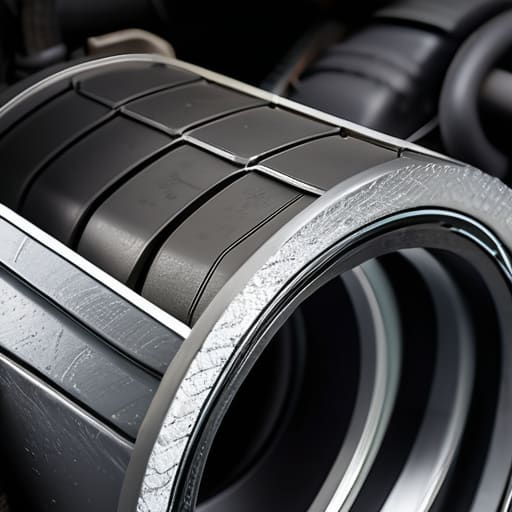
You don’t always need a diagnostic scanner to know something is wrong; sometimes your eyes are the best tool in the box. Pop the hood and grab a flashlight. I always start by looking for any obvious fraying or chunks missing from the ribs of the belt. If you see cracks on the underside or if the edges look “fuzzy” from loose threads, that’s a massive red flag. This kind of worn serpentine belt visual inspection is exactly how I catch issues before they turn into a full-blown breakdown on the highway.
While you’re looking, pay attention to the tension. If the belt looks loose or seems to be flapping excessively, it’s probably not seated right in the pulleys. I also suggest checking the “valleys” of the belt—if they look deep and smooth, you’re fine, but if they look glazed or shiny, the rubber is getting heat-damaged. It’s a quick bit of engine belt maintenance tips that takes two minutes but can save you a massive headache later. Just make sure the engine is off and cool before you start poking around near the drive system.
Pro Tips to Keep That Belt from Giving Out
- Grab a flashlight and check for “glazing.” If the underside of the belt looks shiny or smooth like glass, it’s been slipping too much and is probably toast.
- Don’t just look at the belt; check the tensioner too. If the tensioner is bouncing like crazy while the engine’s idling, it’s not doing its job, and a brand-new belt won’t fix that.
- Always keep a spare belt tucked away in your trunk or under a seat. It’s a cheap piece of rubber that can save you from a massive headache if it snaps while you’re out on a road trip.
- When you’re installing a new one, make sure the ribs are perfectly seated in the grooves of the pulleys. If it’s even slightly off, it’ll shred itself within minutes of starting the car.
- Avoid getting oil or coolant on the belt. Even a tiny leak from a rogue gasket can soak into the rubber, make it slip, and cause it to degrade way faster than it should.
Quick Summary for the Road
If you hear squealing or see cracks, don’t ignore them; that’s your car’s way of telling you a breakdown is coming.
A quick visual check under the hood is the easiest way to catch a failing belt before it actually snaps.
You don’t need to be a pro to handle this—just grab the right tensioner tool and a little patience, and you’ll save yourself a massive shop bill.
## The Cost of Ignoring a Simple Fix
“A serpentine belt is just a piece of reinforced rubber, but if you ignore that little squeal or those tiny cracks, it’ll snap and turn a twenty-dollar part into a three-hundred-dollar tow bill and a dead battery in no time.”
Nikolai·Osterman
Don't Wait Until You're Stuck
At the end of the day, keeping an eye on your serpentine belt is one of those small things that prevents a massive headache later. Whether you’re listening for that annoying high-pitched squeal from the alternator or spotting tiny cracks during a quick visual check under the hood, catching the signs early is everything. You don’t need a diagnostic scanner to tell you something is wrong; your ears and eyes are usually enough to spot a belt that’s about to give up the ghost. Remember, it’s much easier—and way cheaper—to swap a worn-out belt in your driveway than it is to call a tow truck in the middle of a rainstorm because your water pump stopped spinning.
I know it can feel intimidating when you first pop the hood, but I promise you, you’ve got this. Most people get intimidated by the complexity of modern engines, but a belt replacement is just a matter of having the right tensioner tool and a little bit of patience. Don’t let the fear of making a mistake keep you from taking control of your own machine. Every time you handle a repair yourself, you’re learning something that no mechanic can charge you for. Keep your tools ready, stay focused, and just keep turning those wrenches.
Frequently Asked Questions
How do I know if it's actually the belt making that squealing noise or if my tensioner is shot?
That’s a solid question, and honestly, it’s where a lot of people get burned by shops charging for a belt when it’s actually the tensioner. Here’s the trick: with the engine running, grab a long screwdriver or a mechanic’s stethoscope and touch it to the tensioner housing. If you feel heavy vibration or hear a grinding sound through the handle, that tensioner is shot. If it’s just a high-pitched chirp, it’s likely the belt slipping.
Can I just tighten the belt a little bit to make the noise go away, or is that a bad idea?
Look, I get the temptation—you just want the squealing to stop so you can drive in peace. But honestly? Don’t do it. Trying to “tighten” a belt that’s already failing is a recipe for disaster. Most modern cars use automatic tensioners for a reason. If you mess with the tension manually, you’re likely going to put way too much stress on your bearings or just snap the belt entirely. If it’s noisy, it’s time to swap it.
Do I really need to replace the whole belt if it looks okay but is making a weird chirping sound?
Look, if it’s chirping, something is wrong. It might not be the belt itself—could be a dying tensioner or a pulley that’s losing its bearing—but a chirping sound is the car’s way of screaming for attention. Don’t just ignore it and hope it goes away. If the belt is glazed or has tiny cracks, swap it now. It’s way cheaper to buy a new belt today than to pay for a tow truck tomorrow.
