I remember being ten years old in my dad’s garage, trying to keep my hands clean while he leaned over the engine bay of an old sedan. Suddenly, this piercing, high-pitched shriek cut through the sound of the radio, and my dad just sighed, wiped his hands on a rag, and pointed toward the front of the engine. That unmistakable serpentine belt squeal is one of those sounds that makes your stomach drop because you immediately think you’re looking at a massive repair bill. Most people hear that noise and think they need to rush to a dealership just to get a quote, but honestly, that’s how you get ripped off.
I’m not here to give you some textbook lecture or tell you that you need a specialized diagnostic computer to figure this out. My goal is to give you the straight truth based on what I actually see on the shop floor every day. I’m going to walk you through exactly what that noise is telling you and how you can diagnose it yourself with basic tools. We’ll figure out if it’s just a loose tensioner or if you actually need a new belt, so you can stop stressing and get back on the road.
Table of Contents
Spotting the Real Serpentine Belt Replacement Signs
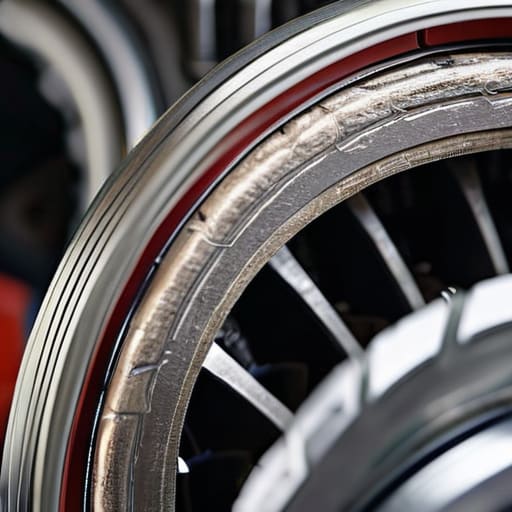
You don’t always need to wait for a deafening scream to know something is off. Sometimes, the warning signs are more subtle. If you notice a rhythmic chirping or a slight vibration while the engine is idling, pay attention. I’ve seen plenty of guys ignore a minor engine bay screeching sound only to have the belt snap entirely while they’re merging onto the highway. Another big one is looking at the belt itself—if you see cracks, fraying on the edges, or a “glazed” look where the rubber seems shiny and smooth, that belt is toast. It’s lost its grip, and no amount of belt conditioner effectiveness is going to save it at that point.
You also have to play detective with the noise. If the sound changes pitch when you turn the steering wheel or crank the AC, you might be looking at serpentine belt tensioner failure rather than just a bad belt. It’s easy to mistake a dying component for a simple belt issue, so keep an eye out for any worn pulley symptoms like wobbling or uneven rotation. If a pulley looks like it’s dancing, that’s your cue to stop driving and start wrenching.
Is It a Worn Pulley or an Alternator Bearing Noise
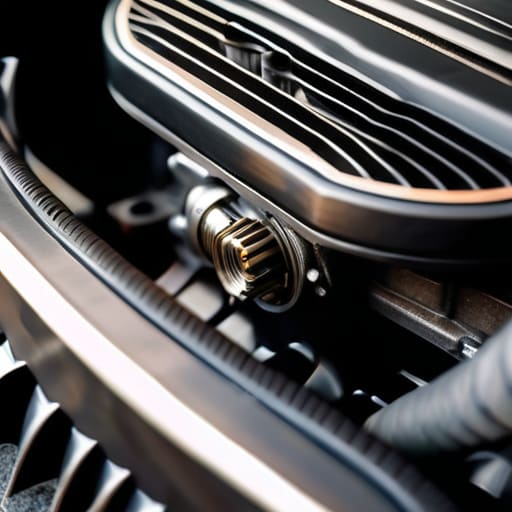
Here’s the thing: not every screeching sound is coming from the rubber itself. Sometimes, the belt is actually fine, but it’s being driven by a component that’s dying underneath it. If you hear a grinding or whining noise that changes pitch when you turn on your headlights or AC, you might be dealing with alternator bearing noise rather than a simple belt issue. I’ve seen plenty of guys buy a brand-new belt only to realize the alternator was the real culprit all along.
To figure it out, you’ve got to play detective. A classic way to narrow it down is to use a bit of water on the ribbed side of the belt while the engine is running. If the noise vanishes instantly, it’s a belt issue. If the sound stays exactly the same, you’re likely looking at worn pulley symptoms or a failing component. Keep an eye out for a belt that looks perfectly healthy but still produces an engine bay screeching sound; that’s a huge red flag that a pulley bearing is toast or you’ve got a serpentine belt tensioner failure on your hands.
5 Quick Ways to Pinpoint the Problem Before You Start Tearing Things Apart
- Grab a spray bottle with a little water and lightly mist the belt while the engine is running. If the noise suddenly stops or changes, you’re definitely looking at a belt issue—likely just dried out or glazed—rather than a failing bearing.
- Check the belt’s “ribs” for any fraying or chunks missing. If you see cracks on the underside of the belt, it’s done. Don’t try to tighten the tensioner to fix it; just swap the belt out.
- Don’t forget to check your tensioner. If the belt is fine but the squeal is constant, your tensioner might not be applying enough pressure. Give it a visual check to see if it’s bouncing or vibrating way too much while the car’s idling.
- Look for “glazing,” which is basically when the belt gets too hot and turns shiny and smooth. A glazed belt can’t grip the pulleys properly, which causes that high-pitched scream every time you accelerate.
- Inspect the pulleys for any misalignment. If a pulley is sitting even a fraction of an inch off-center, it’s going to pull the belt at an angle, causing it to squeal and wear down way faster than it should.
The Bottom Line on That Squeal
Don’t just swap the belt immediately—check if the noise is actually coming from a bad pulley or an alternator bearing first so you don’t waste money.
If you see cracks, fraying, or glazing on the underside of the belt, it’s time to pull it out and get a new one before it snaps and leaves you stranded.
Most of the time, a squeal is just a sign of tension or wear, and if you catch it early with a simple visual check, you can avoid a massive repair bill later.
Listen to Your Engine
That screeching sound isn’t just annoying; it’s your car’s way of telling you something is slipping or dying. Don’t wait for the belt to snap and leave you stranded on the shoulder—catch the noise early, grab a wrench, and handle it before a small squeal turns into a massive headache.
Nikolai·Osterman
Don't Let a Little Noise Scare You Off
Look, at the end of the day, that squeal is just your car’s way of talking to you. Whether it’s a belt that’s lost its grip, a pulley that’s seen better days, or an alternator bearing that’s finally giving up the ghost, the key is to listen before it breaks. We’ve covered how to tell the difference between a simple belt replacement and a more annoying pulley issue, and hopefully, you now know that a loud noise doesn’t always mean you’re looking at a massive, expensive repair bill. Just remember to check the tension and look for cracks before you go buying parts you might not even need.
I know it can feel intimidating when you’re staring into a crowded engine bay, but don’t let the complexity of modern cars get in your head. Most of the time, fixing a squeal is just about getting your hands dirty and having the right tools ready. You don’t need to be a master technician to take control of your own maintenance; you just need to be willing to learn. Stop letting the fear of the unknown keep you from doing the work yourself. Grab your tools, stay patient, and take it one bolt at a time. You’ve got this.
Frequently Asked Questions
Can I just spray some belt dressing on it to stop the noise, or is that just a temporary band-aid?
Look, I’ve seen guys do this in the shop, and honestly? It’s a total band-aid. Spraying belt dressing might kill the noise for a day or two, but it doesn’t actually fix the underlying issue—whether that’s a glazed belt or a dying tensioner. It just gums up the works and hides the symptom. If you’re just trying to get home, fine, but don’t let it trick you into thinking the problem went away.
How do I know if the tensioner is actually bad or if it's just the belt itself losing its grip?
The easiest way to tell is by looking at the tensioner while the engine’s running. If you see the tensioner arm bouncing or vibrating like crazy, that’s a dead giveaway—the internal spring is shot. But if the tensioner stays steady and the belt is the only thing dancing around, you’re probably just dealing with a glazed or loose belt. Check for cracks on the belt first; if it looks smooth and shiny, it’s lost its grip.
Is it safe to keep driving if the squeal only happens when I first start the car in the morning?
Look, if it only screams for a few seconds when you first fire it up and then goes quiet, you aren’t in immediate danger of being stranded. It’s usually just moisture or a slightly loose belt tensioner. But don’t get complacent. That “morning squeal” is a warning shot. If you ignore it, the belt eventually slips or snaps, and then you’re dealing with a dead battery or overheating. Check the tension soon.
