
I still remember being ten years old in my dad’s garage, trying to help him with an oil change on an old Civic, only to end up with a massive, dark puddle of 10W-30 coating the concrete and my favorite sneakers. I thought I was being helpful, but I was actually just making a mess because I was trying to pour straight from the bottle. That’s when I realized that even the simplest job can go sideways if you don’t have the right gear, like a decent funnel set to actually guide the fluid where it belongs. It’s not about being a pro; it’s about not making a mess of your own driveway.
Look, I’m not here to sell you some overpriced, professional-grade kit that costs more than your actual car. I’ve spent enough time under hoods to know that most of the fancy stuff is just marketing fluff. I’m going to show you exactly what to look for in a reliable funnel set so you can stop guessing and start pouring with confidence. My goal is to give you the straight truth on what works, what breaks, and how to keep your engine clean without getting ripped off.
Table of Contents
- Why a No Spill Funnel Kit Beats Your Old Plastic Bottle
- Ditch the Mess With Reliable Automotive Fluid Transfer Tools
- Pro tips to keep your garage from becoming an oil slick
- The bottom line on picking your next funnel
- The real cost of a cheap pour
- Don't Let a Mess Ruin Your Weekend
- Frequently Asked Questions
Why a No Spill Funnel Kit Beats Your Old Plastic Bottle
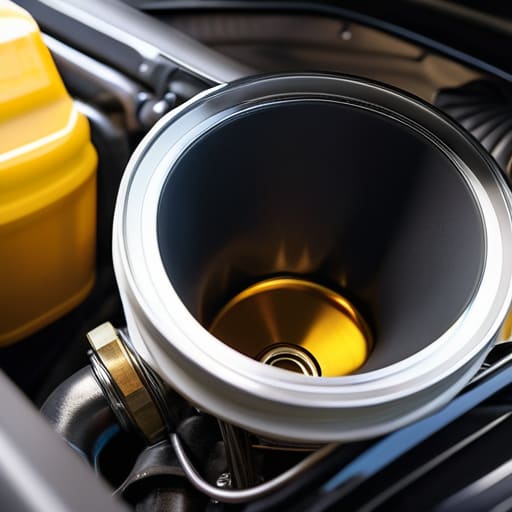
Look, I’ve seen it a hundred times in the shop: some guy trying to pour fresh oil straight from the bottle into a tight engine bay, praying he doesn’t miss. You end up with a greasy mess coating your block and a smell that lingers in your driveway for weeks. Using a cheap, flimsy plastic bottle is a gamble you’re bound to lose. When you switch to a proper no-spill funnel kit, you’re not just being fancy; you’re actually making sure that every drop of fluid goes exactly where it belongs.
The real difference comes down to the design. Most of the basic automotive fluid transfer tools I see in DIY kits are just straight tubes, but a decent set usually includes a universal funnel adapter that actually grips the filler neck. This prevents that annoying backflow where the oil hits the rim and splashes right back at you. If you’re serious about your oil change equipment, stop treating it like an afterthought. Investing in a kit that actually fits your car’s specific angles is the easiest way to keep your engine bay clean and your workspace professional.
Ditch the Mess With Reliable Automotive Fluid Transfer Tools
Look, I’ve seen too many guys try to “wing it” by pouring oil straight from the bottle into the filler neck. You end up with a greasy mess all over the valve cover, and let’s be real, cleaning that dried oil off later is a massive pain. If you want to do this right, you need proper automotive fluid transfer tools that actually fit the job. A decent kit isn’t just about convenience; it’s about keeping your engine bay clean so you can actually spot leaks when they happen.
When you’re working on a tight engine bay—especially on those older Japanese tuners I spend my weekends on—space is always an issue. That’s where a no-spill funnel kit becomes a lifesaver. Instead of fighting with a rigid, cheap plastic cone that keeps tipping over, these kits usually come with flexible necks or a universal adapter that lets you reach those awkward, recessed spots without breaking your knuckles. It’s one of those small investments in your oil change equipment that pays off every single time you pull into the driveway to get to work.
Pro tips to keep your garage from becoming an oil slick
- Don’t just buy the cheapest set you find on a random site; look for one with a wide mouth and a flexible neck. If the neck is too stiff, you’ll be fighting it just to get it into that tight spot near the firewall.
- Always give your funnel a quick rinse with some degreaser or even just some warm soapy water after you’re done with oil or coolant. You don’t want old, dirty fluid contaminating your fresh batch next time.
- If you’re working on a car with a really cramped engine bay, grab a set that includes a long, gooseneck funnel. It’ll save you from having to contort your arms into positions that’ll leave you sore for a week.
- Use a bit of shop towel or a clean rag to wipe the rim of the filler neck before you start pouring. It sounds small, but it keeps grit and dirt from falling into your engine while you’re trying to be precise.
- Keep your funnels in a dedicated drawer or a small organizer rather than just tossing them in your main toolbox. There’s nothing more annoying than digging through a pile of wrenches when you’ve already got oil on your hands.
The bottom line on picking your next funnel
Don’t waste money on those cheap, flimsy single-use ones that crack the second you tighten them; get a decent set that actually fits your engine’s fill neck.
A good kit saves you more than just time—it keeps oil and coolant off your engine block and your driveway, which makes the whole job way less of a headache.
Stop trying to “eyeball it” with a random bottle; having the right tool for the specific fluid you’re pouring means less mess and zero wasted money.
The real cost of a cheap pour
You can try to wing it by pouring straight from the bottle, but once you’ve got oil dripping down the side of your engine block or pooling on your driveway, you’ll realize a twenty-dollar funnel set is a lot cheaper than a professional engine degreasing job.
Nikolai·Osterman
Don't Let a Mess Ruin Your Weekend
Look, at the end of the day, a decent funnel set isn’t some luxury item you need to hunt down in a high-end tool catalog. It’s about avoiding that headache where you’re staring at a puddle of transmission fluid on your garage floor, wondering why you didn’t just spend the ten bucks to do it right the first time. By ditching those flimsy, single-use plastic bottles and grabbing a proper kit with different nozzle sizes, you’re making sure your fluids actually end up in the engine instead of all over your hands and the chassis. It keeps your workspace clean, prevents contamination, and honestly, it just makes the whole job feel a lot more professional.
I know it can feel intimidating when you first pop the hood and see a maze of sensors and tight spaces, but don’t let that stop you. Most of the “big” jobs are really just a series of small, manageable steps, and having the right gear is half the battle. Once you get used to working with tools that actually work for you, you’ll realize that maintaining your own ride isn’t some impossible task reserved for the pros. Grab a funnel, get your hands a little dirty, and take control of your car instead of letting a mechanic dictate your budget. You’ve got this.
Frequently Asked Questions
Do I really need a specialized funnel for different fluids, or can I just use one for everything?
Look, you could technically use one funnel for everything, but I wouldn’t recommend it. If you use a funnel that’s been sitting in old, sludge-filled oil to pour fresh coolant, you’re just introducing contaminants into your system. It’s a headache waiting to happen. I usually keep a dedicated one for oil and a separate, clean one for coolant or transmission fluid. It’s a small investment to keep your engine from acting up.
How do I clean out a funnel properly so I don't accidentally mix coolant with my oil?
Look, the absolute worst thing you can do is cross-contaminate. If you use an oil funnel for coolant, you’re asking for a massive headache. The best way? Keep separate sets. But if you’re stuck using one, flush it with a bit of degreaser and warm water, then rinse it until it’s spotless. Honestly, though? Just buy a cheap second set. It’s way cheaper than replacing your entire engine because of a messy funnel.
Are those cheap plastic sets actually going to last, or should I invest in something more heavy-duty?
Look, I’ve seen both. Those cheap $5 plastic sets from the big-box stores work fine for an oil change once or twice, but they crack easily if you drop them on a concrete shop floor. If you’re just doing basic maintenance, they’re okay. But if you’re planning on actually working on your own cars regularly, grab a decent set with thicker walls or even some metal ones. It’s worth the extra few bucks to not have a funnel snap mid-pour.
