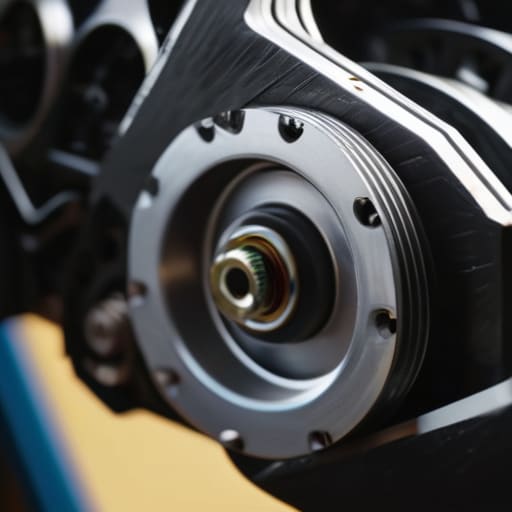
I still remember the sound of my dad’s old sedan screaming at me on a Tuesday afternoon—that high-pitched, rhythmic squeal that tells you something is definitely wrong. I was ten, sitting in the driveway, watching him wipe grease off his forehead while he explained that a tiny piece of rubber was about to leave us stranded. Most shops will see that squeal and immediately try to sell you a whole new tensioner assembly or some overpriced service package, but honestly? A lot of the time, a simple belt replacement is all you actually need to get back on the road.
I’m not here to give you some textbook lecture or a list of parts you don’t need. I’ve spent enough hours hunched over engine bays to know that the real trick isn’t just having the part, it’s knowing exactly where to put the tension so you don’t strip a bolt or snap a pulley. I’m going to walk you through this process with the same straight-up honesty I’d use if we were working in my own garage. We’ll get your car quiet and reliable again without you having to hand over a week’s worth of pay to a mechanic.
Table of Contents
The Real Signs of a Worn Timing Belt

Look, you aren’t going to see a little warning light pop up on your dash specifically saying “your timing belt is about to snap.” It’s usually much more subtle than that. If you start hearing a rhythmic slapping or squealing sound coming from the front of the engine, pay attention. That’s a classic one of those engine belt symptoms that people usually ignore until it’s too late. Sometimes it’s just a loose tensioner, but if that sound is accompanied by a weird vibration through the steering wheel, your belt might be fraying internally.
Another thing to watch for is the physical condition when you actually pop the plastic covers off. If you see any heavy cracking along the ribbed side or if the belt looks “glazed”—meaning it’s got a shiny, smooth, burnt appearance—it’s toast. Don’t wait for it to shred. One of my biggest automotive belt maintenance tips is to never trust a belt that looks even slightly weathered. If you catch these signs of a worn timing belt early, you’re looking at a simple job. If you wait until it snaps while you’re driving, you’re looking at a massive repair bill for a ruined engine.
Mastering Alternator Belt Troubleshooting at Home
Before you go throwing money at a shop, you need to know how to actually diagnose the issue. Most people hear a squeal and assume the whole system is shot, but half the time, it’s just a loose or glazed alternator belt. Start by doing a visual inspection while the engine is off. Look for glazing—that’s when the underside of the belt looks shiny or smooth like glass. That usually means it’s slipping and losing its grip. If you see cracks or fraying along the ribs, you’re looking at clear engine belt symptoms that mean it’s time to pull the old one.
If the belt looks fine but you still hear that high-pitched chirping, the problem might not be the rubber itself. Check your tensioner. If the tensioner is bouncing wildly or feels loose when you apply pressure, you’re looking at belt tensioner replacement signs. A weak tensioner won’t keep enough pressure on the belt, leading to slips that mimic a worn-out part. Don’t just swap the belt and call it a day; make sure the hardware holding it in place is actually doing its job.
Pro Tips to Keep You From Screwing Up the Job
- Double-check your belt length before you even touch a wrench; nothing kills a Saturday faster than pulling an old, snapped belt off only to realize your new one is two inches too short.
- Keep your hands clear of the pulleys while you’re tensioning—I know it sounds obvious, but when you’re focused on getting that tension just right, it’s easy to get careless.
- Use a dedicated tensioner tool instead of trying to muscle it with a standard breaker bar; you want controlled pressure, not a sudden snap that sends your tool flying into the engine bay.
- While you’ve got the belt off, take a second to inspect the idler pulleys for any wobbling or grinding noises; if they feel sketchy, just swap them now so you don’t have to do this whole job again in a month.
- Grab my magnetic parts tray before you start; you’ll be dealing with small bolts and clips, and the last thing you want is to be hunting for a dropped 10mm in a puddle of oil.
The Bottom Line: Don't Wait for the Snap
If you hear a high-pitched squeal or see cracks in the belt, don’t ignore it; that’s your car telling you it’s about to quit on you.
Check your manual for the specific replacement interval so you can swap it out on your own terms instead of paying a shop for an emergency tow.
You don’t need a professional garage to do this—just grab your basic socket set, a tensioner tool, and a bit of patience to save yourself a massive repair bill.
## The Cost of Waiting
“A snapped belt is a lot cheaper to fix on a Saturday afternoon in your driveway than it is to fix when it turns your engine into a pile of expensive scrap metal on the side of the highway.”
Nikolai·Osterman
Don't Let a Simple Belt Break Your Bank
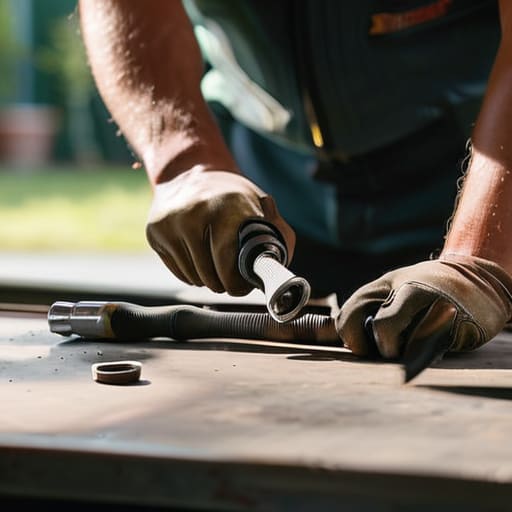
Look, replacing a belt isn’t some high-level engineering feat; it’s just about being proactive. We’ve covered how to spot those telltale cracks in your timing belt and how to diagnose a squealing alternator belt before it actually snaps on the highway. If you’ve been listening to those weird noises or noticed your battery light flickering, you already know the clock is ticking. The goal here was to show you that identifying the problem is half the battle. Once you know exactly what’s failing, you can grab your tools, get that magnetic tray ready, and swap it out yourself instead of sitting in a greasy waiting room for three hours while a shop charges you triple for labor.
At the end of the day, keeping your car on the road shouldn’t feel like a mystery designed to drain your wallet. Every time you pick up a wrench and fix something yourself, you’re taking back control from the big shops. It might be a little messy, and you might get some grease on your favorite hoodie, but that’s just part of the process. Stop being intimidated by your own engine. You’ve got the knowledge now, so just take it one bolt at a time and trust your hands. You’re more capable than you think.
Frequently Asked Questions
How do I know if it's just a squeaky belt or if the actual tensioner is shot?
If it’s just a high-pitched squeal when you first start the car, it’s usually just a glazed or loose belt. But if you hear a constant rhythmic chirping or a heavy rattling, that’s your tensioner screaming for help. A quick trick? With the engine running, watch the tensioner. If it’s bouncing or vibrating like it’s possessed, the internal spring is shot. Don’t ignore that chatter; a failed tensioner will shred your belt in minutes.
Can I get away with just replacing the belt, or do I really need to swap out the pulleys and tensioner too?
Look, I’ve seen guys try to cut corners by just slapping a new belt on an old, shaky tensioner, and it never ends well. If your tensioner is shot or the pulleys are making that high-pitched chirping sound, a new belt won’t fix the underlying issue. You’ll just be back under the hood in a month. Do it right the first time: swap the whole kit. It saves you a massive headache later.
Is there a specific way to check the belt tension without accidentally snapping it or leaving it too loose?
Look, you don’t want to go ham on it. Use your thumb to press down on the longest span of the belt—usually the middle. You’re looking for maybe half an inch of “give.” If it feels like a guitar string, it’s too tight and you’re gonna wreck your bearings; if it flops around like a wet noodle, it’s too loose. Just steady pressure, don’t yank it, or you’ll end up with a snapped belt and a bad day.
