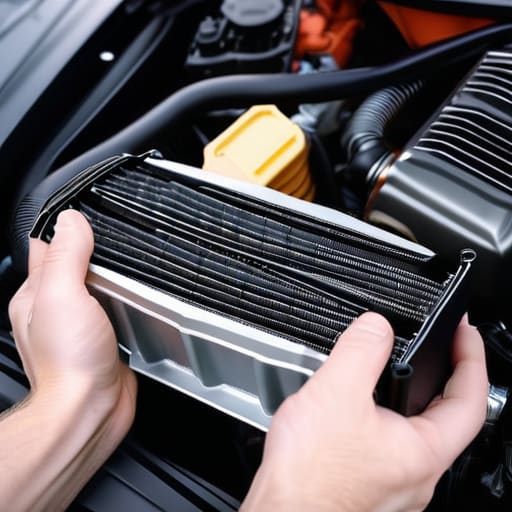
I remember one Saturday back in my dad’s garage, working on an old sedan that sounded like it was gasping for air every time we hit the gas. I pulled out the engine air filter and it was so caked in grit and gray sludge that you couldn’t even see the pleats anymore. Most shops will try to tell you that you need a high-tech, expensive performance kit or a specialized technician to handle your intake system, but honestly? That’s just a way to pad their service invoices. A clogged filter isn’t some deep, mysterious mechanical failure; it’s just your engine suffocating because it can’t breathe.
I’m not here to give you some textbook lecture or sell you on overpriced aftermarket junk you don’t need. My goal is to show you how to spot a dying filter in seconds and swap it out yourself without spending a dime on “expert” labor. I’ll give you the straight truth on what to look for and how to keep your car running smooth on a budget. You don’t need a mechanic’s degree to do this—you just need to know what’s actually going on under the hood.
Table of Contents
Spotting the Signs of a Clogged Air Filter Fast
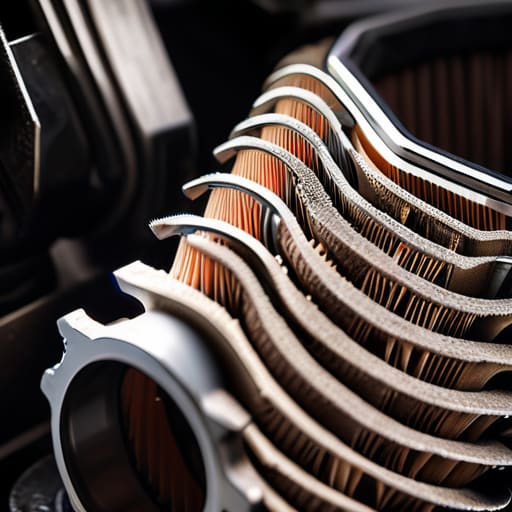
You don’t always need a diagnostic scanner to know something is off; usually, your car will start talking to you. The first thing I notice when a client rolls in is a noticeable sluggishness when they hit the gas. If you step on the pedal and it feels like the car is struggling to catch its breath, that’s a massive red flag. A choked-out intake means your engine is working twice as hard just to get basic airflow, which directly leads to a nasty impact on fuel consumption. You’ll find yourself hitting the gas station way more often than you should.
Keep an eye (and an ear) out for any weird hesitations or rough idling while you’re sitting at a red light. If the engine feels like it’s stumbling, it’s likely because the air-to-fuel ratio is completely out of whack. Another dead giveaway is a drop in overall gas mileage. When the signs of a clogged air filter start showing up in your wallet, it’s time to stop guessing and start looking under the hood. It’s usually just a matter of seeing how much grit is actually trapped in those pleats.
How Automotive Filtration Efficiency Saves Your Wallet
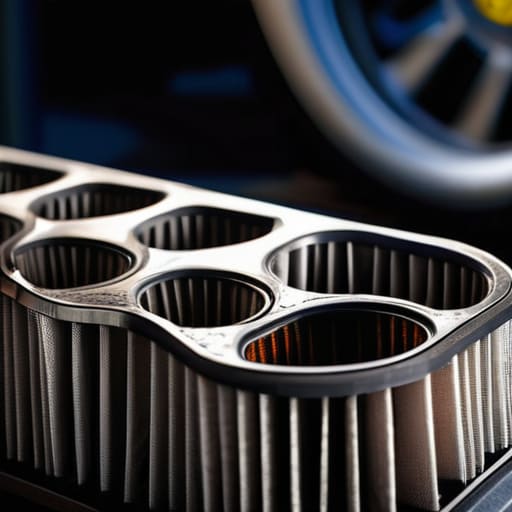
Look, I’ve seen too many people walk into the shop complaining about a massive drop in MPG, only for me to pull out a filter that looks like a piece of charcoal. That’s where the real money starts leaking out of your pocket. When your filtration is shot, your car has to work twice as hard just to breathe, which has a massive impact on fuel consumption. You’re basically burning extra cash every time you hit the gas just because the engine is struggling to pull in air.
It isn’t just about the gas station trips, though. High automotive filtration efficiency is your first line of defense for engine component protection. Think about it: if that paper element fails or gets too bypassed, you’re letting fine grit and microscopic debris straight into your cylinders. That stuff acts like sandpaper on your piston rings. Replacing a cheap filter once a year is a tiny price to pay compared to the thousands it costs to rebuild a motor because you were too cheap to keep the dust out.
Pro Tips to Keep Your Intake Clean and Your Engine Breathing
- Don’t just guess when it’s time for a change; grab a flashlight and check the pleats. If the paper looks gray, caked in dust, or has debris stuck in the folds, it’s already done its job and is ready for the bin.
- Never, and I mean never, try to blow out a paper filter with compressed air to “clean” it. You’ll just tear the microscopic fibers that actually catch the grit, and once those are gone, you’re basically vacuuming dust straight into your cylinders.
- When you’re sliding the new one in, make sure the rubber gasket sits perfectly flush in the housing. If it’s even slightly crooked, your engine will suck in “unfiltered” air through the gaps, which is a fast track to expensive internal damage.
- If you live somewhere with heavy construction or dusty dirt roads, stop following the standard manual intervals. Check your filter every few months instead of waiting for the yearly service—it’s a cheap way to prevent a massive headache later.
- Keep a spare filter in your garage or trunk if you’re heading out on a long road trip. It takes two minutes to swap one out if you hit a dusty stretch of highway, and it’s way better than dealing with a sudden drop in power mid-trip.
The Bottom Line on Your Air Filter
Don’t wait for a dashboard light or a massive drop in MPG; if your filter looks like a dusty sponge, just swap it out.
A cheap, clean filter is way better for your engine’s longevity than a high-end one that’s been clogged for six months.
Replacing this is one of the easiest ways to save money—it takes five minutes and you don’t need a single specialized tool to do it right.
The Real Cost of Ignoring the Basics
Look, you can spend a fortune on high-end performance parts, but if you’re letting your engine gasp for air through a filthy, clogged filter, you’re basically just throwing money down the drain. It’s not about being a master mechanic; it’s just about not letting your car choke on its own dust.
Nikolai·Osterman
Bottom Line: Don't Overthink It
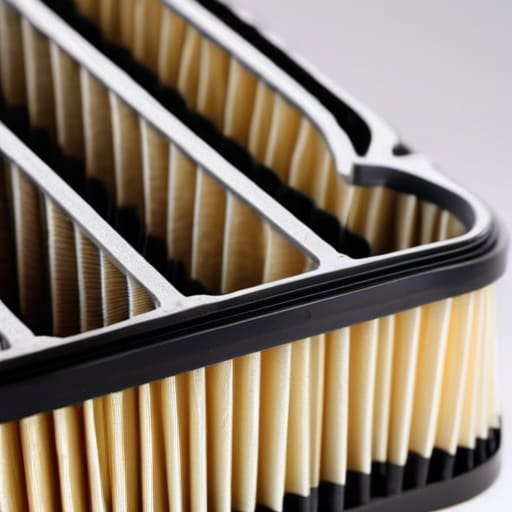
At the end of the day, keeping your engine breathing easy isn’t some high-level engineering mystery. We’ve looked at how a clogged filter can kill your gas mileage, how it makes your engine struggle for air, and how much money you’re basically throwing away by ignoring it. It’s one of those small, low-effort maintenance tasks that prevents massive, expensive headaches down the road. You don’t need a fancy scanner or a specialized shop to tell if your filter is shot; you just need to take five minutes to look at it. If it’s caked in grime and gray, just swap it out.
I know it can feel intimidating when you first pop the hood and see all those wires and hoses, but I promise you, you’ve got this. My goal isn’t to turn you into a master mechanic overnight, but to give you the confidence to stop being a passenger in your own car’s maintenance. Don’t let a shop talk you into a massive service job when the solution is a ten-dollar part and a little bit of your time. Take control of your machine, grab your tools, and remember: the more you know about what’s happening under the hood, the less power anyone has to rip you off.
Frequently Asked Questions
Is there a point where a reusable performance filter is actually worth the extra cash over a standard paper one?
Look, if you’re just driving a daily commuter to get from A to B, stick with the cheap paper filters. They’re disposable for a reason—they trap fine dust way better. But, if you’re working on a project car or a tuner where you actually want to breathe more air into the intake, a reusable one makes sense. You pay more upfront, but you stop throwing money in the trash every oil change.
How can I tell if my air filter is actually the problem or if something deeper in the intake is acting up?
Look, if you swap the filter and the car still feels like it’s gasping for air, you’ve got a deeper issue. Check the intake boot for cracks or loose clamps—if unmetered air is leaking in, a fresh filter won’t fix a thing. Also, grab a flashlight and peek past the filter box. If you see debris, leaves, or even a rodent nest stuck in the housing, that’s your culprit. Clear the path first.
Do I really need to swap it out every time I change my oil, or can I stretch that out a bit longer?
Look, I get it—you’re trying to save a few bucks, and it feels like just another extra task. But honestly? Don’t make it a hard rule. If you’re driving through construction zones or dusty backroads, that filter is going to clog way faster than your oil does. Just pull it out and hold it up to a bright light. If you can’t see light through the pleats, swap it. Otherwise, you’re fine.
