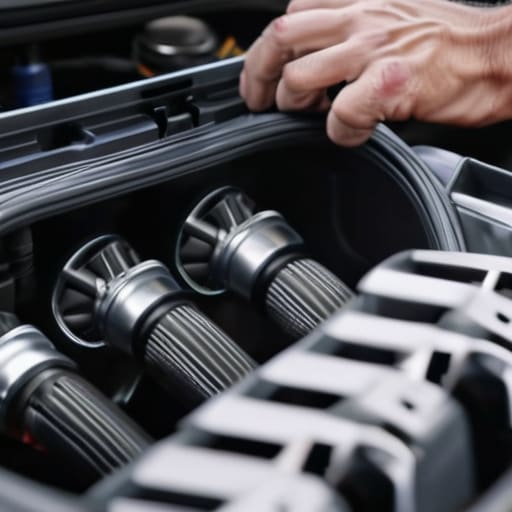
I was working on one of my old project cars last Tuesday when that high-pitched, rhythmic chirping started up again. It’s that specific, soul-crushing sound that tells you something is wrong before you even pop the hood. I looked down, saw the serpentine belt tensioner dancing like it was possessed, and just had to shake my head. Most shops will see that vibration and immediately try to sell you a whole new accessory drive system or tell you the entire belt assembly is shot. They love to turn a simple component failure into a thousand-dollar headache just because they think you won’t know any better.
Look, I’m not here to give you some textbook lecture or a list of overly complicated diagnostic codes. I’m going to show you exactly how to spot a failing tensioner, the specific tools you actually need to get the job done, and how to swap it out without breaking your spirit (or your knuckles). My goal is to get you back on the road with nothing more than a bit of grease on your hands and a lot of money still in your pocket.
Table of Contents
Identifying Those Annoying Drive Belt Tensioner Symptoms
The first thing you’re probably going to notice is a sound that’ll make your skin crawl. If you’re hearing a sharp, high-pitched serpentine belt squealing noise every time you start the car or rev the engine, that’s a massive red flag. It usually means the tensioner isn’t applying enough consistent pressure, letting the belt slip against the pulleys. It’s annoying, sure, but if you ignore it, you’re basically asking for a snapped belt and a dead engine in the middle of an intersection.
Beyond the noise, keep a close eye on how your car feels. If you notice your steering getting a bit heavy or your battery light flickering, your engine accessory belt maintenance might be overdue. Sometimes, you can actually see the problem if you pop the hood while the engine is running; if that tensioner arm is vibrating or bouncing like it’s on a trampoline, it’s toast. These signs of failing belt tensioner components aren’t just suggestions—they’re your car’s way of telling you to grab your tools before something expensive breaks.
Why That Serpentine Belt Squealing Noise Matters
Look, I know it’s tempting to just turn up the radio and ignore that high-pitched chirp every time you hit a red light, but that serpentine belt squealing noise is your car literally screaming for help. It’s not just an annoying sound; it’s a warning that the tension holding your entire belt system together is failing. If that tensioner loses its ability to apply constant pressure, the belt starts slipping. Once that happens, you aren’t just dealing with a noisy engine—you’re looking at a massive headache if your alternator stops charging or your water pump stops spinning.
If you ignore the early signs of failing belt tensioner components, you’re basically playing Russian roulette with your engine temperature. A slipping belt can overheat in minutes, and that’s when a simple fix turns into a blown head gasket or a seized engine. I’ve seen too many people skip out on basic engine accessory belt maintenance only to end up paying thousands for repairs that could have been avoided with a single wrench and an hour of their time. Don’t let a cheap part ruin your whole ride.
Pro Tips to Save Your Belt (and Your Wallet)
- Don’t just swap the belt; if the tensioner is acting up, replace them both at the same time. There’s no point in putting a fresh, tight belt on a shaky, worn-out tensioner—you’ll just be back under the hood in a month.
- Grab a cheap stethoscope or even a long screwdriver to listen closely. If you press it against the tensioner housing and hear a rhythmic grinding, that bearing is toast, even if it hasn’t started squealing yet.
- Keep your eyes peeled for “belt dust.” If you see a fine black powder collecting around the tensioner assembly, it’s a dead giveaway that the belt is slipping or the tensioner isn’t holding steady.
- Check the tensioner arm movement while the engine is idling. It shouldn’t be dancing or vibrating wildly; a little bit of movement is normal, but if it’s bouncing like it’s on a trampoline, it’s time for a new one.
- Invest in a decent long-handle breaker bar or a dedicated tensioner tool. Trying to fight that spring tension with a tiny ratchet is a recipe for stripped bolts and busted knuckles, and I’ve seen enough guys do it the hard way.
The Bottom Line on Your Tensioner
Don’t ignore that chirping or squealing; it’s usually your tensioner begging for help before it snaps and leaves you stuck on the shoulder.
You don’t need a master tech to swap this out—just get the right socket, a steady hand, and a little bit of patience.
Replacing a worn tensioner now is way cheaper than paying a shop to fix the massive headache caused by a belt that’s been slipping for months.
## The Real Cost of Ignoring It
“A bad tensioner isn’t just a loud noise that’s annoying while you’re driving; it’s a ticking clock. If that spring loses its tension or the pulley seizes, it’s going to whip that belt right off, and suddenly you’re stuck on the shoulder with a dead alternator and a very expensive tow bill.”
Nikolai·Osterman
Don't Let a Small Part Break Your Bank
Look, if you’ve been hearing that high-pitched squeal or noticed your engine idling like it’s having a mid-life crisis, don’t just turn up the radio and hope it goes away. We’ve covered how to spot the signs—from excessive belt vibration to those telltale chirping noises—and why ignoring a failing tensioner is basically asking for a breakdown on the highway. Replacing this part isn’t some complex surgery; it’s just about staying ahead of the wear before a snapped belt leaves you stranded. Grab your socket set, check your tension, and get ahead of the repair while it’s still a simple fix and not a massive headache.
At the end of the day, my goal isn’t just to teach you how to turn a wrench, but to give you the confidence to actually own your vehicle. There is a huge difference between being a driver and being someone who actually understands their machine. You don’t need to be a master technician to keep your car reliable; you just need to be willing to look under the hood and do the work yourself. Don’t let some shop talk you into a massive bill for something you could have handled in your own driveway. You’ve got this.
Frequently Asked Questions
Can I just tighten the belt instead of replacing the whole tensioner assembly?
Look, I get the temptation to just crank it down and save some cash, but honestly? Don’t do it. If the tensioner is failing, it’s usually because the internal spring or the bearing is shot. Tightening the belt won’t fix a weak spring, and you’ll just end up snapping a belt or stripping a pulley. It’s better to just swap the whole assembly now than to get stranded on the side of the road later.
How do I know if it's actually the tensioner acting up or just a worn-out belt?
Look, it’s a common mix-up, but here’s the trick: if the belt has cracks or glazing, it’s just the belt. But if you see the tensioner arm physically bouncing or vibrating like crazy while the engine’s idling, that’s your culprit. I usually grab my flashlight and watch the tensioner while someone revs the engine. If that arm is dancing around instead of holding steady, the spring inside is shot. Don’t just swap the belt and hope for the best.
Do I really need to replace the tensioner every time I swap out a new serpentine belt?
Look, I get why you’re asking—it feels like extra work and extra cash. But honestly? If that tensioner is already showing signs of age, just swap it. Putting a fresh, tight belt on an old, weak spring is asking for trouble. You’ll end up back in the shop a week later when the old tensioner fails and shreds your brand-new belt. Do it once, do it right, and save yourself the headache.
