Last Tuesday, I was pulling a beat-up sedan into the bay at the shop when the owner rolled down his window just to escape the stench inside. He looked exhausted, telling me the AC felt like it was blowing straight from a dusty basement. It’s a classic scenario: you’re driving to work, the windows are up, and suddenly you’re breathing in a cocktail of pollen, exhaust, and whatever mold decided to move into your vents. Most people think they need a massive, expensive detailing service to fix their cabin air quality, but honestly, that’s usually just a way for shops to pad their invoices.
I’m not here to sell you on some overpriced, high-tech air purification system that does nothing but look pretty in a commercial. I’m going to show you how to handle this yourself with a basic set of tools and about fifteen minutes of your time. We’re going to talk about finding your filter, spotting the junk that shouldn’t be there, and swapping it out so you can actually breathe clean air again. No fluff, no mechanic gimmicks—just the straight truth on how to keep your car’s interior from smelling like a landfill.
Table of Contents
- Mastering Cabin Air Filter Replacement Without the Mechanic Markup
- Fighting Vehicle Interior Allergens With Your Own Two Hands
- 5 Quick Wins to Keep Your Air from Smelling Like a Trash Can
- The Bottom Line on Keeping Your Air Clean
- ## The Truth About Your Air
- Bottom Line: Take Control of Your Air
- Frequently Asked Questions
Mastering Cabin Air Filter Replacement Without the Mechanic Markup
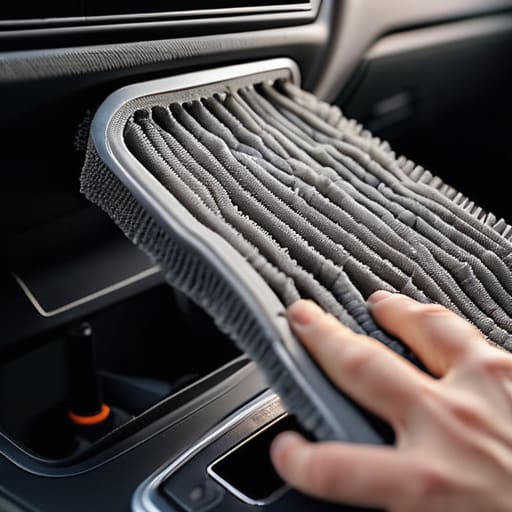
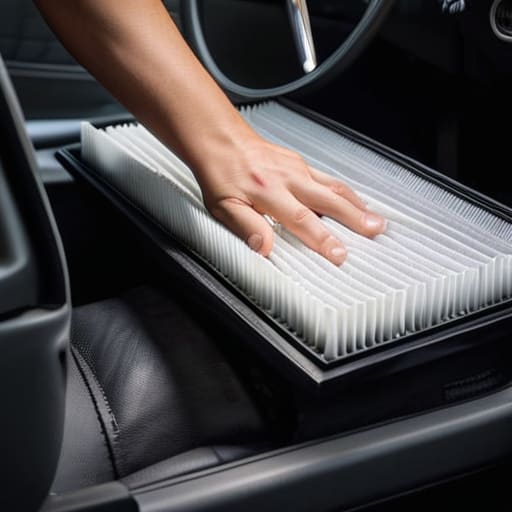
Look, most shops will charge you an arm and a leg just to swap this part out, claiming it’s some high-level technical procedure. It’s not. For most cars, you’re looking at a five-minute job that requires nothing more than your bare hands or maybe a screwdriver if your manufacturer is being difficult. Once you pop that glovebox out of the way, you’ll see the filter sitting right there. If it looks gray, dusty, or feels like it’s made of lint, it’s time for a cabin air filter replacement. Don’t let them tell you otherwise; it’s one of the easiest ways to handle automotive ventilation hygiene on your own terms.
When you grab your replacement, don’t just go for the cheapest generic one at the big-box store. If you live somewhere with high pollen or heavy traffic, spending a few extra bucks on HEPA filters for cars is actually worth it. It makes a massive difference in reducing car odor and keeping those nasty allergens from settling into your seats. Just make sure you slide the new one in facing the right direction—check the airflow arrows on the side, or you’ll be doing the whole thing twice.
Fighting Vehicle Interior Allergens With Your Own Two Hands
Look, it’s not just about that weird, musty smell hitting you when you crank the AC on a hot afternoon. If you’re constantly sneezing or feeling like your eyes are stinging while you’re stuck in traffic, you’re likely dealing with a buildup of vehicle interior allergens trapped right in your vents. Dust, pollen, and even mold spores love to settle in those tight spaces, and if you aren’t proactive, you’re basically just recirculating junk every time you drive.
I’ve seen plenty of people ignore this until their lungs start protesting, but you can get ahead of it. While some high-end shops will try to upsell you on expensive HEPA filters for cars, you really just need to stay on top of your maintenance schedule. A quick check of your vents and a deep clean of the housing can do wonders for reducing car odor and keeping the air crisp. It’s simple stuff, but honestly, taking ten minutes to handle it yourself saves you a massive headache—and a much larger bill—down the road.
5 Quick Wins to Keep Your Air from Smelling Like a Trash Can
- Don’t just buy the cheapest generic filter you find on a random site; grab one with activated carbon if you actually want to kill those weird highway exhaust smells.
- If your AC starts smelling like old gym socks the second you turn it on, you’ve likely got mold or mildew buildup on the evaporator—clean it out before it gets nasty.
- Stop letting your passengers track in dirt and debris; a decent set of floor mats can actually keep a lot of that dust from getting sucked into your ventilation system.
- When you’re swapping the filter, take a second to vacuum out the area around the housing; you’d be surprised how much dead leaf litter and gunk hides in there.
- Keep an eye on your windshield—if it’s getting a weird film or streaky, it’s a sign your interior air is getting dirty and depositing oils on the glass.
The Bottom Line on Keeping Your Air Clean
Stop paying shop labor rates just to swap a plastic part; if you can hold a screwdriver, you can handle this job in ten minutes.
Don’t wait for a funky smell to tell you there’s a problem—check your filter every time you change your oil to keep the dust and pollen at bay.
Grab a high-quality charcoal filter instead of the cheapest generic one you find; it’s worth the extra few bucks to actually kill those nasty odors.
## The Truth About Your Air
“Most shops will try to charge you a hundred bucks just to swap a piece of paper, but honestly? If you can change a lightbulb, you can fix your air quality. Don’t pay a premium just to breathe clean air.”
Nikolai·Osterman
Bottom Line: Take Control of Your Air
Look, keeping your cabin air clean isn’t some high-level engineering mystery that requires a master technician. We’ve covered how a simple filter swap can stop that stale, dusty smell from taking over your commute and how a little bit of DIY maintenance can keep the allergens from messing with your lungs. It really comes down to two things: staying on top of your schedule and not being afraid to get your hands a little dirty. Once you realize that a ten-minute job can save you a hundred bucks at the shop, you’ll start seeing your car a lot differently. Don’t let a simple maintenance task turn into an expensive headache just because you didn’t want to open the glovebox.
At the end of the day, my goal isn’t just to teach you how to change a filter; it’s to help you realize that you’re more capable than the service advisor at the dealership wants you to think. Every time you pick up a tool and fix something yourself, you’re taking a piece of that power back. You don’t need a fancy certification to own your machine and ensure it’s a safe, clean place for you and your passengers. So, grab that filter, clear out the junk, and drive with confidence knowing you actually know what’s going on under your own hood.
Frequently Asked Questions
How often should I actually be checking this thing if I don't live in a high-pollen area?
Look, even if you aren’t living in a pollen nightmare, your filter still collects dust, road grime, and whatever else gets sucked in through the vents. If you’re in a cleaner area, I’d say aim for once a year or every 12,000 to 15,000 miles. Honestly, though? Just pull it out and take a look every six months. If it looks grey or nasty, swap it. It’s a five-minute job, no excuses.
Is there a difference between the cheap generic filters and the expensive brand-name ones, or is it all just marketing?
Look, I’ve seen both in the shop. The cheap generic ones get the job done for basic dust, but they’re usually thin and don’t trap much else. If you’ve got bad allergies or live in a city with heavy smog, go for the high-quality carbon-activated ones. They actually scrub the smells and fine particles out of the air. Don’t overpay for a fancy logo, but don’t cheap out so much that you’re still breathing junk.
I can still smell something funky even after swapping the filter—did I miss a step or is there something else rotting in my vents?
Look, if that funky smell is still hanging around after a fresh filter, you probably haven’t hit the root of the problem. Most likely, you’ve got mold or bacteria growing right on the evaporator coils. It’s a common spot for moisture to get trapped. Grab a can of dedicated AC disinfectant spray, pop it into the intake, and let it do its thing. If that fails, you might have some actual debris stuck deep in the vents.
