I remember being ten years old, kneeling on my dad’s driveway, staring at a dark, shimmering puddle under his old sedan and feeling like it was some unsolvable mystery. Most shops will try to tell you that a leak means you need a whole new gasket or, worse, a complete engine overhaul, just to pad their bill. They make oil leak diagnosis sound like some high-level science that requires a computer and a massive invoice, but honestly? Most of the time, it’s just a matter of knowing where to look.
I’m not here to sell you on expensive diagnostic software or tell you to dump your car at a dealership. My goal is to give you the straight truth based on what I see every day in the shop. I’m going to walk you through how to track down those drips using nothing but a flashlight, some clean rags, and a bit of patience. By the time we’re done, you’ll be able to spot the difference between a simple valve cover leak and something that actually needs serious attention, saving you a massive headache and a whole lot of money.
Table of Contents
Spotting Engine Oil Leak Symptoms Before They Strike
Most people don’t realize they have a problem until they see a massive puddle in the driveway, but by then, you’re already playing catch-up. You’ve got to stay ahead of it. Keep an eye out for those subtle engine oil leak symptoms like a sudden, funky smell—usually a burnt, acrid scent—wafting through your vents when you’re idling at a red light. That’s often just oil hitting a hot exhaust manifold. If you start noticing dark, greasy spots on your garage floor, don’t just mop it up and forget about it; that’s your car literally bleeding out.
Another big red flag is a drop in your oil level on the dipstick that you can’t quite explain. If you’re topping it off every few weeks, you’ve definitely got a leak somewhere. In some cases, it can even lead to serious engine oil pressure issues, which is a nightmare scenario that can kill your motor in minutes. If your dashboard light flickers or stays on, stop driving immediately. It’s better to spend an hour hunting for a seepage point now than to replace an entire engine later.
Identifying Oil Leaks Under Car Without a Mechanic
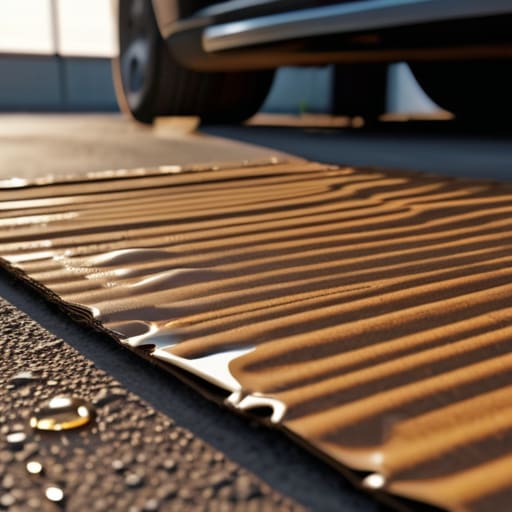
If you can’t see anything dripping while the engine is running, don’t panic. Sometimes the leak is just a slow seep that only shows up once the car has been sitting for a while. The best way to start identifying oil leaks under car chassis is to grab a clean piece of cardboard and slide it under the engine bay overnight. If you wake up and see fresh spots on that cardboard, you’ve officially found your “crime scene.” It’s a lot more reliable than just squinting at a dark engine bay with a flashlight and hoping for the best.
Once you’ve located the drip, you need to figure out if it’s a steady stream or just a slow weep. Check around the valve cover gasket and the oil pan—those are usually the biggest culprits. If you see dark, wet grime around a specific seal, you’re likely detecting oil seepage locations that are just starting to fail. Just remember to keep your eyes peeled for any signs of burnt oil smells, which usually means the leak is hitting something hot like the exhaust manifold.
Pro Tips for Nailing the Diagnosis
- Grab a can of brake cleaner and some clean rags. Before you start guessing, wipe down the suspected area completely. You can’t find a leak if you’re staring at a layer of old, baked-on sludge that’s been there for months.
- Use a flashlight—and I mean a real one, not just your phone’s LED—to look for “wet” spots. If the metal looks darker or shinier than the surrounding parts, that’s your smoking gun.
- Check your oil level with the dipstick first thing. If it’s dropping faster than it should, you definitely have a leak, even if you can’t see the drip on the ground yet.
- Don’t forget to look at the underside of the engine cover or the oil pan. Sometimes a leak starts high up, like a valve cover gasket, and drips down, making it look like the pan is the problem.
- Watch for the smell. If you pull into your driveway and catch a heavy, burnt scent, you might have a leak that’s dripping onto the exhaust manifold. That’s an immediate red flag that needs fixing before it starts smoking.
The Bottom Line on Catching Leaks Early
Don’t wait for a puddle on your driveway; if you smell burning oil or see smoke coming from the engine bay, something is already wrong.
Use a flashlight and a clean rag to trace the path of the oil—it usually travels downward, so start at the top of the engine and work your way down.
Catching a small leak now with a cheap gasket or a tightened bolt is way better than replacing a whole engine because you let it run dry.
## The Truth About Finding Leaks
“Don’t let a shop scare you with a massive repair bill just because they found a drip. Most of the time, it’s just a gasket or a loose seal that you can track down yourself with a flashlight and a bit of patience.”
Nikolai·Osterman
Don't Let a Small Leak Become a Big Bill
At the end of the day, diagnosing an oil leak isn’t some dark art reserved for guys with master certifications. Whether you’re spotting dark spots on your driveway, smelling that burnt oil scent after a long drive, or tracing a drip back to a worn-out gasket, you’ve already done the hardest part. Just remember: keep your engine oil topped off while you’re investigating, and never ignore a fresh puddle under the car. Once you’ve identified exactly where the fluid is escaping, you can stop playing the guessing game and actually start fixing the problem instead of just throwing money at a mechanic to do it for you.
Look, I know it can feel intimidating when you’re staring down a messy engine bay, but don’t let it get to you. Most of these issues are just parts that have reached the end of their lifespan, and they aren’t as scary as they look. Grab your flashlight, keep that magnetic tray handy, and just take it one bolt at a time. I truly believe that once you realize you can handle these repairs yourself, you’ll never look at a repair shop the same way again. You’ve got this, so get under there and get it sorted.
Frequently Asked Questions
Is a small puddle of oil under my car actually an emergency, or can it wait until my next paycheck?
Look, I get it—money is tight and a little puddle doesn’t look like much. But here’s the truth: it depends on the “how much.” If it’s just a tiny, slow weep that stays in one spot, you can probably hold off until payday. But if the oil is actively dripping or you smell something burning, don’t wait. A small leak can turn into a seized engine real fast, and that’ll cost way more than a mechanic.
How can I tell the difference between an oil leak and a leak from my transmission or power steering?
Look, it’s easy to get these mixed up when you’re staring at a puddle on your driveway. The easiest way is the “smell and texture” test. Engine oil is usually dark, thick, and smells a bit burnt. Transmission fluid is thinner, often reddish, and has a distinct, sweetish chemical scent. Power steering fluid is usually even thinner and can feel more watery. If you’re stuck, grab a clean rag and a white paper towel—the color doesn’t lie.
If I find the leak, how do I know if I can just tighten a bolt or if I'm looking at a full gasket replacement?
Look, don’t just start cranking on bolts. If the oil is just weeping from a drain plug or a valve cover bolt, a quick snugging might do it. But if you see a heavy, wet trail coming from a seam where two metal parts meet, that’s your gasket giving up. If it’s a “wet” seal, tightening won’t help—you’re looking at a teardown. Check if the oil is pooling or just sweating.
