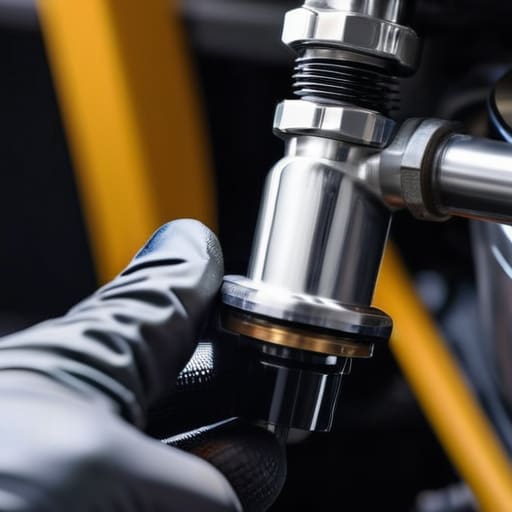
You know that feeling when your car starts acting possessed at a red light, like it’s about to stall out every time you let off the gas? Most shops will try to tell you that you need a whole new sensor or some expensive electronic component, but half the time, it’s just carbon gunk choking your engine. I learned this the hard way while working on my buddy’s old Silvia; we were ready to drop a fortune on parts when a simple throttle body cleaning was all it actually needed to stop that erratic idling for good.
I’m not here to sell you on some fancy, overpriced additive or tell you that you need a specialized workshop to get the job done. In this guide, I’m going to walk you through the exact, no-nonsense way I handle this at the shop, using tools you probably already have in your garage. I’ll show you how to get in there, what to spray, and—most importantly—how to avoid the common mistakes that can mess up your idle relearn process. Let’s get under the hood and fix it ourselves.
Table of Contents
- Step-by-Step Instructions
- Spotting Rough Idling Symptoms Before They Cost You
- The Magic of Carbon Buildup Removal Without a Mechanic
- Pro Tips to Keep Your Throttle Body From Acting Up Again
- The Bottom Line on Throttle Body Maintenance
- ## The Truth About That Rough Idle
- Don't Let Them Charge You for a Simple Fix
- Frequently Asked Questions
Guide Overview
Tools & Supplies
- Screwdriver (to remove air intake components)
- Rags or microfiber cloths (for wiping surfaces)
- Flashlight (to inspect carbon buildup)
- Throttle Body Cleaner spray (1 can)
- Nitrile gloves (1 pair)
Step-by-Step Instructions
- 1. First things first, you’re gonna need to grab a can of dedicated throttle body cleaner and a couple of lint-free rags. Whatever you do, don’t use brake cleaner or anything else you have lying around the garage; those chemicals can be way too aggressive and might eat right through the delicate coatings on your butterfly valve.
- 2. Pop your hood and locate the air intake hose leading to the engine. You’ll probably need a screwdriver or a socket wrench to loosen the clamps holding the hose in place. Once that’s loose, just pull the hose back so you have a clear view of the throttle plate sitting inside the housing.
- 3. Now, here’s where people usually mess up: turn your ignition to the “on” position without actually cranking the engine. This tells the computer to open the butterfly valve, giving you a clear path to see all that nasty carbon buildup hiding around the edges.
- 4. Spray a little bit of the cleaner onto your rag rather than spraying it directly into the housing. If you spray too much at once, you risk flooding the sensor or getting liquid where it shouldn’t be. Use the damp rag to wipe away the black, gummy sludge around the edges of the plate until the metal actually looks like metal again.
- 5. If there’s some particularly stubborn, crusty buildup, you can use an old, soft-bristled toothbrush to gently scrub the edges. Just be careful not to force the valve open too hard with your fingers; you want to be firm but not aggressive so you don’t damage the internal motor.
- 6. Once everything looks clean and the gunk is gone, take a dry part of your rag to wipe away any leftover residue. Make sure there are no stray bits of lint or debris left sitting in the housing before you reinstall the intake hose.
- 7. Tighten your clamps back down—don’t go overboard and strip the threads, just make sure they’re nice and snug so you don’t end up with a massive vacuum leak. Start the car up, and you should notice that rough, stumbling idle has finally smoothed out.
Spotting Rough Idling Symptoms Before They Cost You
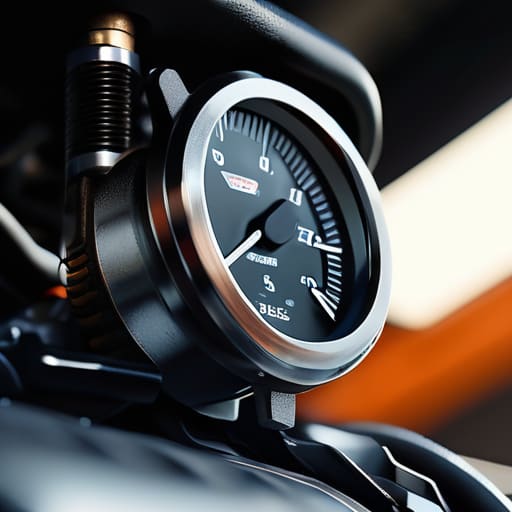
You don’t always need a flashing check engine light to know something is off. Usually, your car will start giving you these little “hey, pay attention to me” hints long before you’re stranded on the shoulder. The biggest giveaway is definitely those rough idling symptoms you feel when you’re sitting at a red light. If your RPM needle is dancing around like it’s caffeinated, or if the whole car feels like it’s shuddering slightly while you’re stopped, that’s a massive red flag. It’s often just a sign that the butterfly valve is struggling to move through a layer of gunk.
Another thing to watch for is a weird hesitation when you pull away from a stop. If you step on the gas and there’s that annoying half-second lag before the car actually responds, you’re likely dealing with serious carbon buildup removal needs. It’s not a blown engine; it’s just the computer struggling to manage the airflow. Catching these small hiccups early means you can just grab some throttle body cleaner spray and handle it yourself, rather than letting a shop tell you that you need a whole new sensor assembly.
The Magic of Carbon Buildup Removal Without a Mechanic
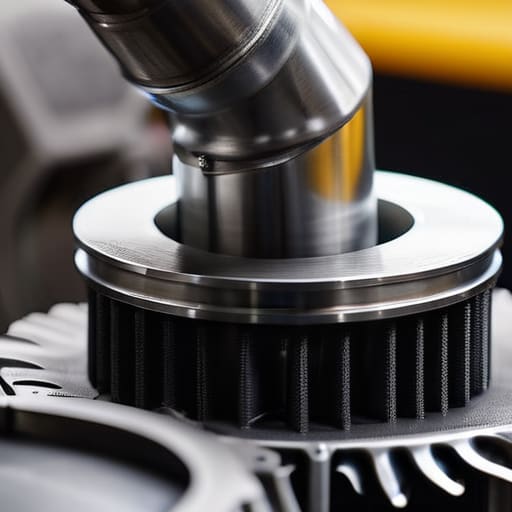
Look, most shops will try to sell you a “fuel system service” or some expensive package just to get to the root of your stalling issues. But honestly, half the time, you’re just looking at a layer of black gunk choking your air intake. When I’m working on my own projects, I don’t go overboard; I just focus on effective carbon buildup removal using a decent quality throttle body cleaner spray. The trick is not to just spray and pray. You need to actually see what you’re doing. If you use a soft brush to agitate that crusty residue around the butterfly valve, you’ll see a massive engine performance improvement almost immediately.
Don’t let them convince you that this is some high-level technical procedure. It’s really just about being thorough. While you’re in there, take a second to check the surrounding area for any signs of oil leaks or cracked hoses near the intake. Sometimes, what looks like a massive mechanical failure is actually just a dirty sensor or a clogged passage that a little elbow grease could have fixed. Keeping things clean is the best way to avoid those expensive shop labor rates down the road.
Pro Tips to Keep Your Throttle Body From Acting Up Again
- Don’t go overboard with the spray; you only need enough to loosen the gunk, not enough to soak your intake sensors.
- Use a soft-bristled brush, like an old toothbrush, to scrub those tight corners instead of trying to jam a rag in there.
- Always keep your hands steady—if you accidentally knock the butterfly valve out of alignment, you’re looking at a much bigger headache than a simple cleaning.
- Grab a dedicated throttle body cleaner rather than using generic carb cleaner; the specialized stuff is way gentler on the sensitive coatings inside.
- After you’re done, let the engine idle for a few minutes before you drive off to let the computer recalibrate to the clean airflow.
The Bottom Line on Throttle Body Maintenance
Don’t wait for a massive repair bill; if your car feels like it’s stumbling at a stoplight or the idle is acting jumpy, a quick cleaning is usually the fix, not a new sensor.
You don’t need a shop’s worth of expensive gear to do this—just a decent can of cleaner, a rag, and enough patience to not mess with the delicate butterfly valve.
Keeping your throttle body clear of carbon buildup isn’t just about performance; it’s about keeping your engine running smooth so you aren’t getting overcharged for “phantom” engine issues.
## The Truth About That Rough Idle
“Most shops will try to sell you a whole new sensor or a tuning kit when your car is stumbling at a red light, but half the time, it’s just a layer of black gunk choking the life out of your throttle body. Don’t let them charge you a hundred bucks an hour to fix a problem you can solve with a can of spray and ten minutes of your time.”
Nikolai·Osterman
Don't Let Them Charge You for a Simple Fix
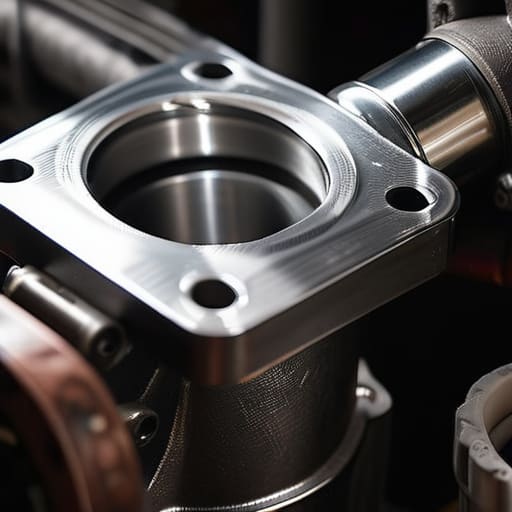
Look, at the end of the day, cleaning your throttle body isn’t some high-level engineering feat that requires a specialized shop and a massive invoice. You’ve seen the signs—the shaky idle, the hesitation when you hit the gas, or that weird stumbling feeling when you’re sitting at a red light. By catching that carbon buildup early and spending twenty minutes with a can of cleaner and a rag, you’re essentially preventing a massive headache down the road. It’s about being proactive rather than reactive. Just remember to be careful around those sensitive sensors and don’t go shoving tools into places they don’t belong; a little patience goes a long way in making sure you get the job done right the first time.
I know it can feel intimidating when you first pop the hood and see all those wires and plastic housings, but I promise you, you’re more capable than you think. Every time you handle a repair yourself, you’re taking a piece of control back from the big shops and the guys trying to upsell you on parts you don’t actually need. Keep that magnetic tray handy, stay focused, and trust your instincts. Once you realize that most of these “major” issues are just basic maintenance in disguise, you’ll never look at your car the same way again. You’ve got this.
Frequently Asked Questions
Is it actually safe to spray the cleaner directly into the intake, or am I going to mess up the sensors?
Look, I get the anxiety—modern sensors are sensitive, and nobody wants to turn a simple clean into a massive repair bill. Here’s the deal: don’t just go wild spraying it deep into the intake. Focus the spray on the butterfly valve and the edges where the gunk actually lives. If you drench the Mass Air Flow sensor or spray too much past the throttle plate, you’re asking for trouble. Keep it controlled, keep it targeted, and you’ll be fine.
How often am I supposed to do this before it becomes a waste of time?
Look, there’s no magic number in a manual, but I usually tell people to check it every 30,000 to 50,000 miles. If you’re driving in heavy stop-and-go city traffic, you might even need to do it sooner. Don’t just follow a calendar, though—listen to the car. If that idle starts feeling “jittery” or the RPMs are dancing around, stop waiting. Cleaning it then is maintenance; waiting until it stalls is a repair.
If I clean it and the car still idles like trash, does that mean I've actually broken something?
Look, take a breath—you probably haven’t broken anything. If the idle is still trash after a clean, you likely just have a deeper issue like a vacuum leak or a failing sensor that was hiding behind the carbon buildup. Sometimes, cleaning the throttle body just exposes the real problem that was already there. Don’t panic and start throwing parts at it; just check your vacuum lines for cracks first.
