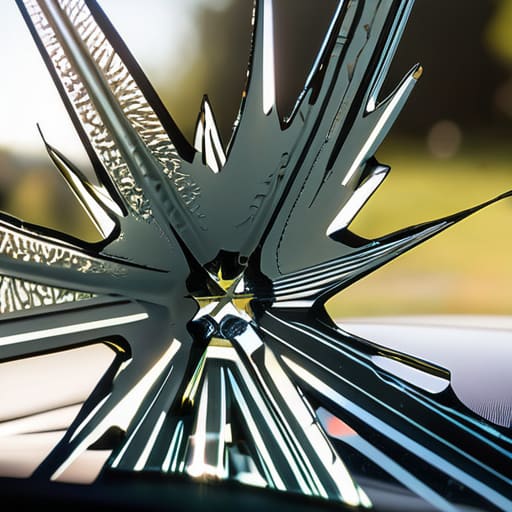
I was working on a customer’s sedan last Tuesday when I saw them staring at a tiny chip in their glass like it was a death sentence. The service advisor was already hovering, probably ready to quote them a few hundred bucks for a full replacement. It honestly drives me nuts how shops try to turn minor windshield cracks into these massive, expensive emergencies just to pad their margins. Most of the time, you aren’t looking at a total failure; you’re just looking at a fixable problem that doesn’t require a professional’s invoice to solve.
I’m not here to sell you some overpriced kit or tell you that you need a specialized degree to handle this. My goal is to give you the straight truth on how to assess the damage and, more importantly, how to patch it up yourself using basic tools. I’ll show you exactly when a chip is a DIY job and when you actually need to see a pro, so you can keep your money in your pocket and your car on the road.
Table of Contents
Cracked Windshield vs Rock Chip Know the Real Difference

Look, I see this all the time at the shop: someone comes in panicking because they think they need a whole new windshield, when really it’s just a minor annoyance. The main thing you need to understand is the difference between a cracked windshield vs rock chip. A chip is usually just a small pit or a “star” pattern caused by a pebble hitting the glass. It’s localized. A crack, on the other hand, is a line that actually travels through the glass. Once that line starts moving, you’re dealing with a much bigger headache.
The reason I get so worked up about this is the auto glass structural integrity. Your windshield isn’t just there so you can see; it’s actually a structural component that helps keep the roof from collapsing in a rollover and provides support for your airbags. A tiny chip is a quick fix with a windshield crack repair kit, but a long crack compromises that strength. If that line is long enough to catch your eye while you’re driving, it’s no longer just a cosmetic issue—it’s a safety risk.
The Truth About Windshield Temperature Stress Cracks
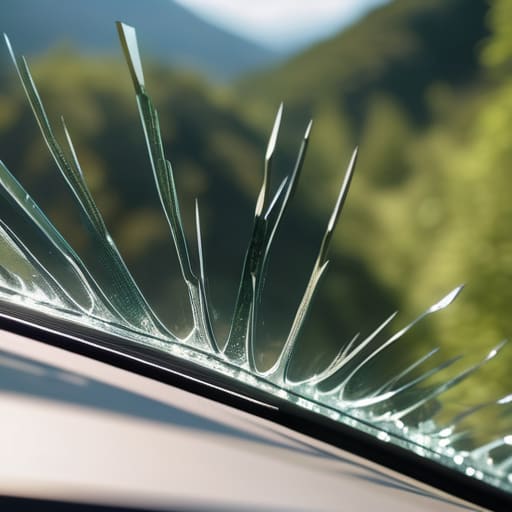
Here’s the thing about temperature stress cracks: they aren’t caused by a flying pebble or a stray piece of gravel. Instead, they usually happen because of extreme thermal shock. If you’ve been blasting the AC on full blast on a blistering summer day, or if you’re cranking the heater to combat a freezing morning, that sudden shift in temperature can cause the glass to expand or contract unevenly. This tension eventually snaps, creating a crack that looks more like a long, thin line than a typical starburst.
The real headache is that these aren’t always easy to catch early. Unlike a visible chip, these can pop up out of nowhere, often right in your line of sight. It’s important to understand the safety implications of cracked glass here; while a small stress crack might seem cosmetic, it can compromise the auto glass structural integrity over time. If the crack starts to spiderweb across the view, you’re looking at a much more expensive replacement rather than a quick fix with a basic kit.
5 Pro Moves to Keep That Crack from Spreading
- Grab some clear packing tape and slap it over the chip immediately. It sounds janky, but it keeps dirt and moisture from getting deep into the crack, which makes the actual repair way cleaner later on.
- Watch your temperature swings like a hawk. If you’ve got a chip, don’t blast the defroster on max when it’s freezing outside, and don’t crank the AC on a hot day. That sudden thermal shock is exactly what makes a tiny chip turn into a spiderweb.
- Stop using your windshield wipers like they’re scrubbing a floor. If there’s grit or sand on the glass, those blades just act like sandpaper and can actually deepen a small nick or scratch the surface around a crack.
- Avoid the temptation to “pressure wash” the crack away. I’ve seen guys try to blast dirt out of a chip with a high-pressure nozzle, and all they do is force water and debris deeper into the laminate, making it impossible to fix.
- Keep a close eye on your parking spots. If you notice you’re always parking under old, leafy trees or near construction zones, you’re just asking for more flying debris. It’s better to park in the clear than to deal with a $500 replacement bill.
The Bottom Line on Your Cracked Glass
Catch it early; a tiny chip is a cheap DIY fix with some resin, but if you wait until it turns into a full crack, you’re looking at a massive bill for a total replacement.
Watch your temperature swings; if you’ve got a small chip, don’t blast the AC on max or crank the defroster right away, or that thermal shock will turn a small nick into a spiderweb instantly.
Don’t let shops bully you; if they tell you a small chip needs a whole new windshield, get a second opinion—most of the time, a little patience and the right kit can save your wallet.
## Stop Ignoring the Small Stuff
“Look, I’ve seen too many people ignore a tiny chip until it turns into a spiderweb across their entire field of vision. A crack isn’t just an eyesore; it’s a structural weakness that’s gonna grow the second the temperature shifts or you hit a pothole. Fix it while it’s cheap and easy, before you’re staring down a massive bill for a full replacement.”
Nikolai·Osterman
Don't Wait Until It's Too Late
Look, at the end of the day, whether you’re dealing with a tiny little rock chip or a stress crack that’s starting to spiderweb across your view, the lesson is the same: don’t ignore it. If you catch a chip early, you can usually slap some resin on it and save yourself a massive headache. But if you let that little imperfection sit there while you drive through temperature swings or hit another pothole, you’re looking at a full windshield replacement that’ll cost you a limb. Knowing the difference between a simple fix and a total failure is the first step to staying ahead of the repair bill.
I know it can feel intimidating when you see something wrong with your car, but you don’t have to be a master technician to take care of your ride. Most of the time, it’s just about being observant and acting before a small problem turns into a safety hazard. Grab your tools, do your research, and take control of your own maintenance. You’ve got this, and honestly, keeping your car in one piece is way more satisfying than handing over a stack of hundreds to a shop for something you could have managed yourself.
Frequently Asked Questions
Can I actually fix a long crack myself with a DIY kit, or is that just a waste of money?
Look, I’ll be straight with you: if that crack is longer than a few inches or looks like a spiderweb, a DIY kit is probably just gonna waste your time and money. Those kits are great for tiny chips, but they can’t bridge a long gap. If you try to force it, you’ll likely just end up with a mess and a windshield that’s even more unstable. Save your cash and just get it replaced.
How do I know if a crack is just a cosmetic annoyance or if it's actually going to fail an inspection?
Look, here’s the deal: if that crack is sitting right in your line of sight, it’s a safety hazard, period. Most inspectors will flag anything that messes with your visibility. But even if it’s off to the side, check the length. If it’s longer than a credit card or looks like it’s spidering out, it’s a structural fail waiting to happen. Don’t wait for it to shatter; patch it before the inspector does.
Is it worth trying to patch a chip if it’s already starting to spread across the glass?
Look, I’ll be straight with you: if that chip is already spidering out, you’re playing a losing game. Once the crack starts traveling, resin won’t be able to catch up and stabilize the structural integrity of the glass. You can try to patch it to save a few bucks, but honestly? You’re just delaying the inevitable. At that point, it’s safer to stop messing around and just look into a full replacement before it fails on you.
