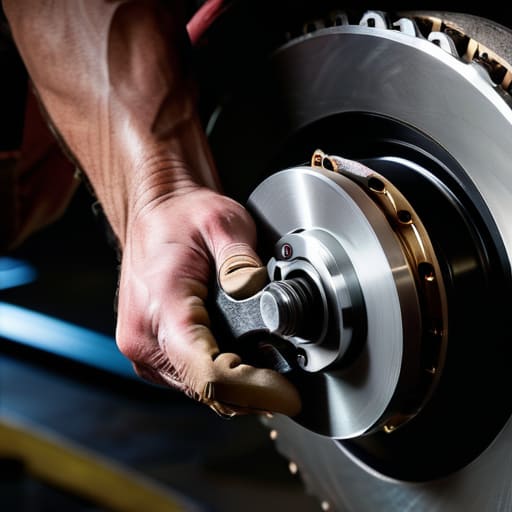
I remember being ten years old, hunched over my dad’s old sedan in the driveway, trying to force a stuck piston back into place with a pair of pliers and a lot of sheer desperation. I ended up scarring the metal and nearly breaking my thumb, all because I thought I could muscle my way through a job that actually required the right gear. Most people think you need a massive, expensive professional kit to handle a brake job, but honestly, that’s just a way for shops to inflate your bill. The truth is, if you’re staring at a stubborn piston, you don’t need a master’s degree; you just need a decent brake caliper tool to do the heavy lifting for you.
I’m not here to sell you on some overpriced, shiny gadget that’ll sit in your toolbox for five years. My goal is to cut through the noise and show you exactly what works when you’re actually under the car getting grease under your fingernails. I’ll walk you through the different types of tools out there, how to pick one that won’t snap on you, and how to use it without stripping your hardware. Let’s get this done the right way.
Table of Contents
Mastering the Brake Caliper Piston Compressor
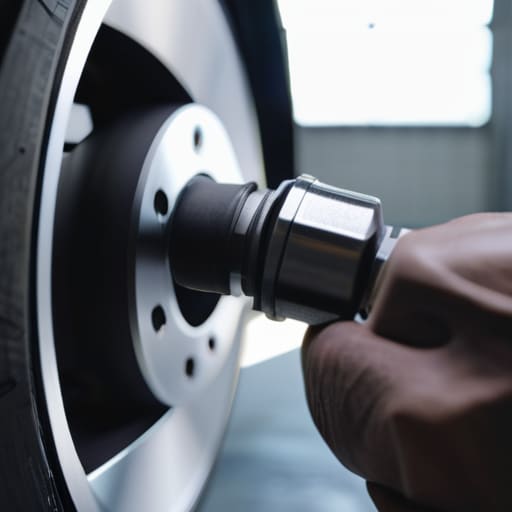
Once you’ve got your tool in hand, the real work begins. When you’re learning how to compress brake pistons, the biggest mistake I see people make is trying to force it with a C-clamp or a screwdriver. Stop right there. If you force a piston back unevenly, you risk damaging the internal seals or even scoring the cylinder wall, which turns a simple brake pad replacement into a massive headache. You want to apply steady, even pressure. If you’re working on a rear caliper with an integrated parking brake, remember that some models actually require you to rotate the piston as you push it back rather than just squeezing it straight in.
I usually grab my disc brake maintenance kit before I even lift the car, because having the right setup prevents that mid-job frustration where you’re hunting for a wrench while your hands are covered in brake dust. Take a second to clean the piston surface with some brake cleaner before you start compressing; you don’t want to push decades of grime and grit right past your new seals. Just take it slow, listen to the mechanism, and don’t rush the process.
The Truth About Professional Automotive Brake Service Tools
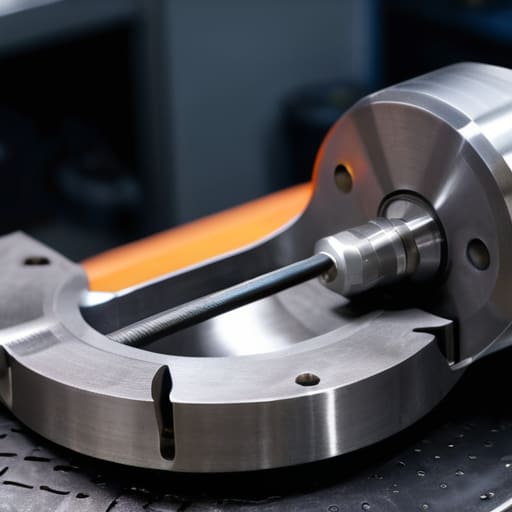
Look, I’ve seen plenty of guys walk into the shop with a cheap, generic kit they bought online, only to realize halfway through the job that their tools are useless. There is a massive difference between a flimsy piece of stamped metal and actual automotive brake service tools that can handle the pressure. When you’re dealing with a stubborn piston that refuses to budge, a low-quality tool is going to flex, slip, or worse, damage the seal. I’ve spent way too many afternoons cleaning up the mess caused by someone trying to force a cheap tool where it doesn’t belong.
If you’re serious about doing this right, you need to understand the difference between a basic screw-type compressor and a proper caliper spreader tool. Some cars, especially the newer ones with integrated electronic parking brakes, won’t play nice with the old-school methods. You don’t want to be guessing how to compress brake pistons on a modern build; you want a tool that fits the specific application. Investing a little more upfront in a decent kit might feel steep, but it beats paying a professional to fix the damage you did while trying to save a few bucks.
5 Pro-Tips to Save Your Sanity (and Your Calipers)
- Don’t just force it. If that piston feels like it’s fighting you, stop. You might have a seized caliper or a stuck slide pin. Forcing a compressor against a seized piston is a fast way to crack something expensive.
- Get a tool that handles rear brakes. If you’re working on a newer car, you can’t just squeeze the piston back; most rear calipers need to be rotated while you compress them. If your tool doesn’t have the screw mechanism for that, you’re going to have a bad time.
- Keep your parts organized. I can’t tell you how many times I’ve seen someone finish a brake job only to realize they have one extra bolt left over. Use a magnetic tray—or even just a couple of egg cartons—to keep your caliper bolts and clips from rolling into the abyss.
- Clean the hardware first. Before you even touch the compressor, take a wire brush to the caliper bracket and the slide pins. There’s no point in using a high-end tool if you’re just compressing the piston back into a pile of brake dust and rust.
- Use the right amount of grease. When you’re putting things back together, don’t skip the high-temp brake lube on the slide pins. A good tool gets the job done, but proper lubrication keeps the job from needing to be redone in two weeks.
The Bottom Line on Getting the Job Done
Don’t try to force a piston back with a C-clamp and a prayer; a dedicated caliper tool saves your seals and keeps you from fighting the hardware for an hour.
You don’t need a $500 professional kit to do a decent job, but skipping the right tool is a fast way to end up with bent parts or a ruined brake job.
Once you have the right compressor in your hand, most brake jobs become a simple matter of patience rather than brute strength.
## Don't Fight Your Brakes
“Look, you can try to force that piston back with a C-clamp and a prayer, but you’re just asking for a leak or a bent seal. Get a decent caliper tool; it turns a frustrating hour of fighting your car into a ten-minute job that actually gets done right.”
Nikolai·Osterman
Don't Let the Shop Overcharge You
Look, at the end of the day, whether you’re using a heavy-duty professional compressor or a basic wind-back tool for a rear caliper, the goal is the same: doing the job right without mangling your hardware. We’ve covered why you can’t just go shoving a C-clamp against a piston and hope for the best, and why investing in a decent, dedicated tool actually saves you money in the long run. You don’t need a massive rolling toolbox to handle a brake job; you just need to understand the mechanics of what you’re pushing against so you don’t end up with a blown seal or a cracked housing.
I know it can feel intimidating when you’re staring down a set of greasy rotors and a pile of new pads, but I promise you, you’ve got this. Every time you finish a repair yourself, you’re taking power back from the big shops that thrive on people being too afraid to get their hands dirty. Keep that magnetic tray handy, take your time with the compression, and don’t be afraid to make a bit of a mess. Once you realize that most of these “complex” repairs are just a matter of having the right tool and a little bit of patience, the garage becomes your playground instead of your enemy.
Frequently Asked Questions
Can I just use a C-clamp to compress the piston, or am I actually going to damage something?
Look, I get it. You’re in the middle of a job and you just want to grab the C-clamp from your toolbox and get it over with. On a basic rear caliper, you might get away with it, but it’s risky. If you apply pressure unevenly, you can cock the piston or even crack the seal. If you’ve got an electronic parking brake, a C-clamp will absolutely wreck your setup. Just get the proper tool.
Do I need a different kind of tool if my car has an electronic parking brake?
Yeah, you definitely need to be careful here. If your ride has an electronic parking brake (EPB), you can’t just crank that piston back with a standard compressor. If you try to force it, you’ll likely fry the expensive electronic actuator motor. Most newer cars need a scan tool to put the system into “service mode” first, or a specific EPB retraction tool. Don’t wing it—you’ll end up with a much bigger repair bill.
How do I know if my caliper piston is actually stuck or if the tool just isn't working right?
Look, I’ve been there—staring at a piston that won’t budge while sweating through my hoodie. First, check your brake fluid reservoir. If it’s topped off to the brim, the fluid has nowhere to go, and that’s why the piston feels stuck. If the fluid level is fine, check your tool’s alignment. If you’re hitting it at an angle, you’re just fighting physics. If it still won’t move, you might actually have a seized caliper.
