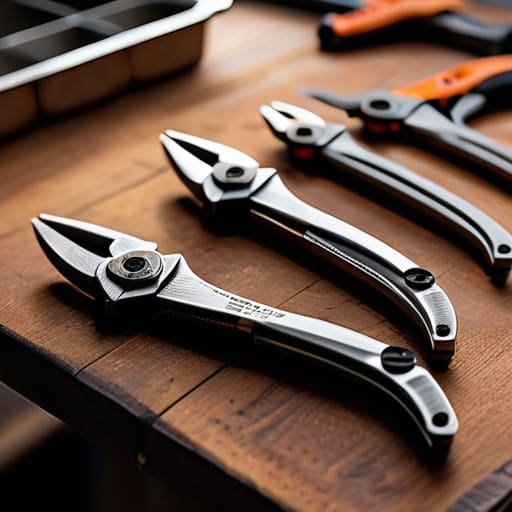
I still remember being ten years old, stuck under my dad’s old sedan, trying to grab a dropped clip with a pair of rusty kitchen tongs because we didn’t have the right gear. I spent twenty minutes cursing and sweating, only to realize that the “professional” tool kit my dad had bought was just a glorified box of junk that didn’t actually fit the tight spaces in a modern engine bay. It’s frustrating how most big-box stores try to sell you some massive, overpriced pliers set that’s filled with twenty different tools you’ll never touch, while leaving you without the one specific pair you actually need when a sensor wire is digging into your knuckle.
Look, I’m not here to sell you on some shiny, gold-plated tool collection that looks good on a pegboard but fails when things get greasy. I’ve spent enough hours in the shop to know exactly which grips hold, which handles won’t slip, and which ones are just a waste of your hard-earned cash. I’m going to break down the only tools you actually need to stop fighting your car and start actually fixing it. No hype, no filler—just the straight truth on building a kit that works.
Table of Contents
- Combination Pliers vs Needle Nose Choosing Your Real Workhorses
- Adjustable Pliers for Mechanics the Secret to Saving Time
- Pro Tips: Don't Let Your Tools Let You Down
- The Bottom Line: Don't Overcomplicate Your Toolbox
- The Truth About Your Toolbox
- Don't Let the Wrong Tools Slow You Down
- Frequently Asked Questions
Combination Pliers vs Needle Nose Choosing Your Real Workhorses
Look, if you’re staring at a toolbox and wondering where to start, you’ll usually find two main players fighting for space: combination pliers vs needle nose. I see guys try to use needle nose for everything, and they end up snapping the tips or just getting frustrated. Combination pliers are your real workhorses for the heavy lifting. They’ve got that serrated grip that lets you grab onto a stubborn bolt or a thick wire without it slipping. If you’re dealing with something that requires heavy duty gripping tools, the combo is always going to be your first choice.
On the flip side, needle nose pliers are all about access. I can’t tell you how many times I’ve been elbow-deep in a sensor harness or trying to fish a fallen clip out of a tight corner behind the dashboard where my hands barely fit. That’s where those slim, tapered jaws save your life. They aren’t for brute force, but they are the best pliers for electrical work when you need to bend a small gauge wire or reach into a cramped fuse box. You need both if you actually want to get anything done.
Adjustable Pliers for Mechanics the Secret to Saving Time
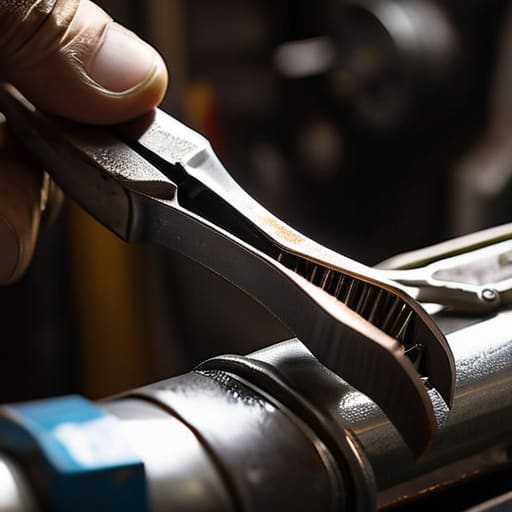
If you’re anything like me, you’ve probably spent ten minutes digging through a messy toolbox just to find the one specific wrench that fits a stubborn nut, only to realize you should’ve just used a pair of adjustable pliers. I call these my “problem solvers.” When you’re working on an older tuner or a modern engine with tight clearances, you don’t always have the luxury of a full socket set laid out perfectly. Having a solid pair of adjustable pliers for mechanics in your hand means you can adapt to whatever weirdly sized bolt or pipe is throwing you a fit.
The real magic happens when you stop treating them like a backup and start treating them as heavy duty gripping tools. Whether you’re trying to hold a stripped bolt steady or repositioning a cooling hose clamp, these things save you from that frustrating “trial and error” loop. While you definitely need to know the difference between combination pliers vs needle nose for the delicate stuff, the adjustable ones are what keep you from getting stuck halfway through a job. They aren’t about being fancy; they’re about being efficient so you can actually get the car back on the road.
Pro Tips: Don't Let Your Tools Let You Down
- Stop buying those cheap, generic sets from the big-box hardware stores. They look fine on the shelf, but the moment you try to grab a stubborn, rusted bolt, the teeth will slip and you’ll end up stripping the head. Spend a little extra on a brand with decent grip.
- Always keep a pair of diagonal cutters—what some people call side cutters—separate from your main set. You’ll constantly need them for snipping zip ties or trimming wires, and you don’t want to be using your heavy-duty pliers for something that requires a clean cut.
- Check the pivot point on your pliers before you start a job. If they feel gritty or stiff, they’re going to fight you every time you squeeze. A little bit of light machine oil goes a long way in making sure they actually work with you instead of against you.
- Size matters more than you think. Don’t try to force a tiny pair of needle-nose pliers to do the work of a standard combination plier just because you’re too lazy to grab the right one. You’ll either snap the tool or bend the pliers’ handles.
- Get used to the feeling of the grip. If you’re working on a long job, those plastic handles can start to dig into your palms. I always check to see if the insulation is thick enough to handle a bit of pressure so I’m not nursing sore hands for the rest of the shift.
The Bottom Line: Don't Overcomplicate Your Toolbox
You don’t need a massive, expensive kit to start; just grab a solid pair of combination pliers for the heavy lifting and some needle nose for the tight spots where everything else fails.
Prioritize adjustable pliers if you want to save money, as they act like a Swiss Army knife for those weirdly sized bolts and nuts that don’t fit a standard wrench.
Stop buying the cheap, flimsy stuff from the big-box hardware stores—investing a little more in tools with a decent grip and solid steel will save you from the headache of stripped parts and broken pliers halfway through a job.
The Truth About Your Toolbox
Look, you can spend a fortune on some fancy, 50-piece kit that comes in a plastic case, or you can just grab a few solid pairs of pliers that actually grip. At the end of the day, a tool isn’t about how many pieces are in the set; it’s about whether it’s in your hand when you’re halfway under a chassis and a bolt just won’t budge.
Nikolai·Osterman
Don't Let the Wrong Tools Slow You Down
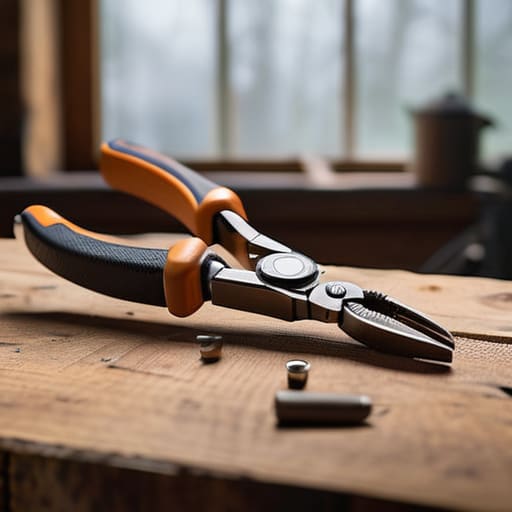
Look, at the end of the day, you don’t need a massive, expensive chest full of every tool ever invented to get through a weekend project. If you’ve got a reliable pair of combination pliers for the heavy lifting, some needle nose for those annoying, tight spots, and a solid set of adjustable pliers to handle the oddball sizes, you’re already ahead of most people. It’s about having the right tool for the specific job instead of trying to force a tool that doesn’t fit and ending up stripping a bolt or snapping a clip. Invest in quality over quantity; it’s better to have three pairs of pliers that actually grip than twenty pairs that slip the second things get greasy.
I know it can feel a bit intimidating when you first pop the hood and realize how much stuff is crammed in there, but don’t let that stop you. Every pro I know started out exactly where you are—probably frustrated and covered in more oil than they intended to be. Just take it one step at a time, keep your parts organized in a tray, and remember that most repairs are just about patience and the right gear. You’ve got this. Once you finish that first fix yourself, you’ll never look at a mechanic’s quote the same way again.
Frequently Asked Questions
Is it actually worth buying a massive 50-piece set, or am I just paying for a bunch of cheap junk I'll never use?
Look, I’ll give it to you straight: don’t fall for those massive 50-piece kits. Most of that is just cheap, filler junk that’ll snap the first time you try to turn a stubborn bolt. You’re basically paying for a box full of plastic handles and useless sizes. Save your money. Buy three or four high-quality, solid pairs of pliers that actually fit your hand. I’d rather have one good pair of pliers than fifty that break mid-job.
How do I know if I need professional-grade pliers or if the basic ones from a big-box hardware store will hold up?
Look, if you’re just clipping a loose wire or tightening a nut once a year, the cheap stuff from the big-box store is fine. But if you’re spending your weekends under a chassis, get the professional grade. Cheap pliers have soft metal that teeth will round off or handles that’ll slip when things get greasy. For real repairs, you want tools that won’t fail you halfway through a job when you’re stuck in a tight spot.
What kind of pliers should I keep in my glovebox for those quick roadside emergencies?
Look, don’t waste space in your glovebox with a massive tool kit. If you’re stuck on the shoulder, you really only need two things: a decent pair of needle-nose pliers and some multi-purpose linesman pliers. The needle-nose are lifesavers for grabbing dropped clips or reaching into tight spots, while the linesman pliers can handle tougher stuff like stubborn wires or small bolts. Keep ’em small, keep ’em reliable, and you’ll be fine.
