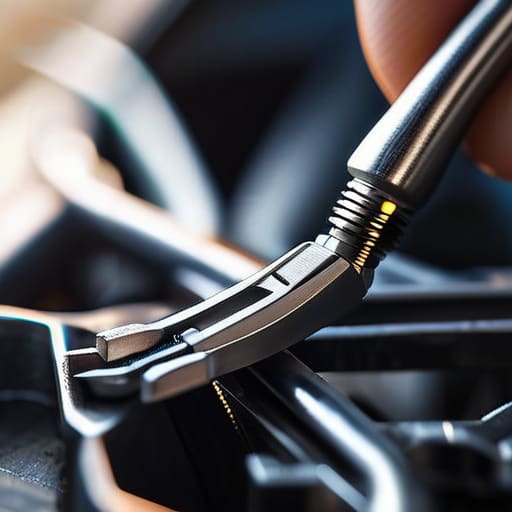
I was elbow-deep in the engine bay of an old S13 last Tuesday, swearing under my breath because a tiny, snapped cotter pin had wedged itself into a gap so narrow my fingers felt like sausages. I reached for my tool bag, knowing exactly what I needed, but I realized most people treat needle nose pliers like they’re some specialized, high-end instrument you need to spend eighty bucks on at a specialty shop. Honestly, that’s a load of garbage. You don’t need a professional-grade, titanium-coated set to grab a clip or steady a wire; you just need a pair that actually grips without slipping and won’t bend the second you apply any real pressure.
I’m not here to sell you on some overpriced brand name or tell you that you need a massive kit to get the job done. My goal is to give you the straight truth about what actually works when you’re stuck in a tight spot. I’ll show you how to pick a reliable pair, how to use them without stripping your hardware, and why having the right leverage is the difference between a quick fix and a massive headache.
Table of Contents
Mastering Precision Gripping Tools in Tight Engine Bays
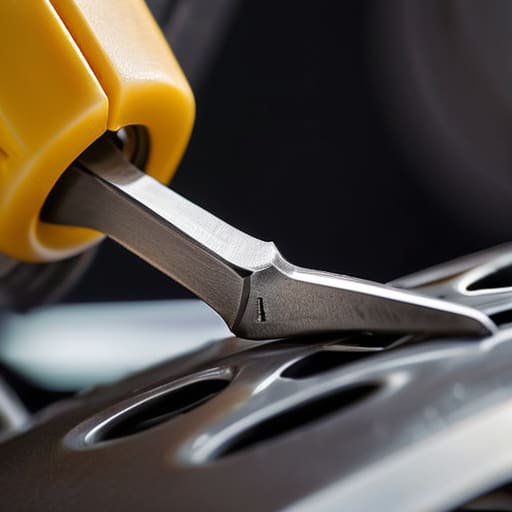
When you’re leaning over a fender, trying to reach a clip tucked behind the firewall, standard pliers are basically useless. That’s where having a set of precision gripping tools actually pays off. I’ve spent countless hours in the shop staring at sensors that are just barely out of reach, and if you don’t have the right reach, you’re just going to end up stripping a plastic connector or bruising your knuckles. I usually reach for my high-leverage versions when I’m dealing with stubborn, rusted clips because they give you that extra bit of bite without needing to put your whole body weight into the move.
It’s not just about strength, though; it’s about finesse. If you’re working near the ECU or messing with those tiny, fragile wiring harnesses, you need to treat them like they’re made of glass. I’ve seen guys try to use heavy-duty linesman pliers for everything, and they end up snapping a harness in seconds. For the delicate stuff, you want something that feels more like electronics repair tools than heavy hardware. Using the right tool for the specific gap ensures you aren’t just forcing a fix, but actually doing it right the first time.
Why High Leverage Needle Nose Pliers Save Your Day
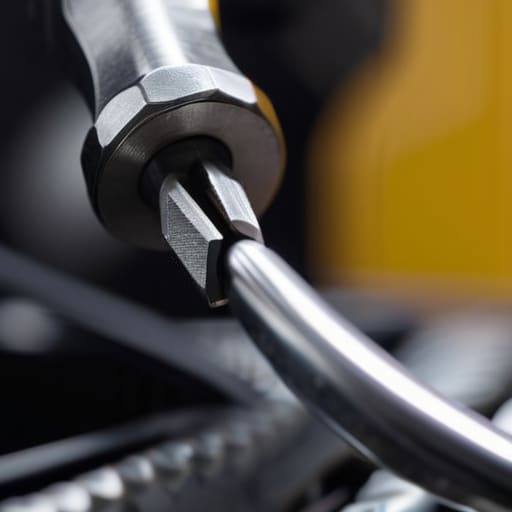
Look, I’ve spent enough time hunched over a fender to know that sometimes, brute force is your worst enemy. When you’re trying to fish a dropped washer out of a crevice or grab a stubborn clip, you don’t just need reach—you need grip strength that doesn’t slip. That’s where high leverage needle nose pliers actually earn their keep. Most cheap sets you find at a big-box store have these thin, flimsy handles that make your hand cramp up after two minutes of work. If you’re dealing with a seized connector or a piece of debris wedged near a sensor, you need a tool that multiplies your hand strength so you aren’t struggling just to hold onto the part.
It’s not just about strength, though; it’s about the control you get when things are cramped. I’ve seen guys try to use standard pliers for small tasks, only to end up stripping a plastic housing or snapping a delicate wire. Using proper pliers for small spaces allows you to apply just enough pressure to get the job done without turning a simple fix into a nightmare. Whether you’re working on a fuel line or just tidying up some wiring, having that extra leverage means you spend less time fighting the tool and more time actually finishing the job.
5 Pro Tips to Stop Stripping Bolts and Losing Your Mind
- Don’t just grab the first pair you see; look for pliers with a serrated grip inside the jaws. If you’re trying to pull a stubborn, corroded clip out of a harness, smooth jaws are just going to slip and leave you swearing at the engine block.
- Keep a pair of smaller, precision needle nose pliers in your pocket or a dedicated small tray. Sometimes the standard 9-inch shop pliers are just too bulky to maneuver around a brake master cylinder or a tight strut tower.
- If you’re fishing for a dropped screw in a dark corner of the bay, use your pliers as an extension. If you can, wrap a bit of electrical tape around the tips to give you a tiny bit of extra “feel” so you don’t accidentally gouge a sensor.
- Watch your angle when you’re pulling wire connectors. Instead of just yanking straight up, use the pliers to get a firm grip on the plastic housing and wiggle it slightly side-to-side. It prevents the wires from snapping right at the terminal.
- Clean your pliers after working on anything oily or greasy. I’ve seen guys try to grab a delicate fuse or a small washer with pliers covered in old sludge, and they end up sliding right off. A quick wipe keeps your precision work actually precise.
The Bottom Line on Needle Nose Pliers
Don’t settle for cheap, flimsy pliers; if the tips bend the first time you try to grab a stubborn clip, you’re just wasting time and frustration.
Always check your grip before you commit—nothing’s worse than getting a good hold on a sensor only to have the pliers slip and strip the plastic.
Think of them as an extension of your fingers, not a replacement; use them to guide and steady things, but don’t try to force heavy components with just the tips.
The Tool You’ll Reach For Most
“Look, you can have the fanciest torque wrench in the shop, but when you’re elbow-deep in a cramped engine bay trying to fish out a dropped clip or a busted sensor wire, a solid pair of needle nose pliers is the only thing that’s actually going to save your afternoon.”
Nikolai·Osterman
Don't Leave the Job Half Done
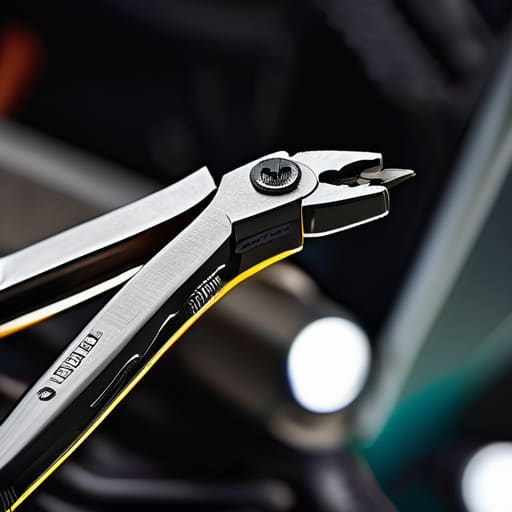
At the end of the day, a decent pair of needle nose pliers isn’t just some extra clutter in your toolbox; they are the difference between a five-minute fix and a two-hour headache. We’ve talked about how much easier life gets when you have the right leverage for those stubborn clips and how much sense it makes to invest in a pair that actually fits into those impossible engine bay gaps. Whether you’re fishing out a dropped washer or trying to reseat a tiny sensor connector, having the right tool means you aren’t fighting the car—you’re actually working on it. Don’t settle for cheap, flimsy versions that bend the second you apply any real pressure, because getting the right grip the first time is what keeps your project moving forward.
Look, I know that staring at a cluttered engine bay can feel pretty overwhelming when you first pop the hood. But honestly? Most of the “complex” stuff mechanics charge a fortune for is really just a matter of patience and the right reach. You don’t need to be a master technician to get these small jobs done; you just need to be willing to get your hands a little dirty and use the tools you have. Grab your pliers, take a breath, and just start one small repair at a time. I promise, once you get that first clip to snap back into place, you’ll realize you’re way more capable than you thought.
Frequently Asked Questions
Is there a specific difference between standard needle nose pliers and long-reach versions when I'm working deep in the engine bay?
Yeah, there’s a massive difference once you’re actually elbow-deep in a bay. Standard needle nose pliers are your go-to for general stuff—clips, small wires, or anything you can actually see and reach. But when you’re chasing a dropped bolt or a sensor connector tucked way behind the firewall, you need the long-reach versions. They trade a bit of grip strength for extra length, which is a lifesaver when you can’t get your hand in there.
How do I know if the pliers I'm using are actually high-leverage or just cheap junk that's going to slip?
Look, the easiest way to tell is by looking at the pivot point. If the handles are long but the joint where they meet is right at the tip, you’re looking at cheap junk. High-leverage pliers have that joint moved much closer to the cutting edge or the jaws. This gives you way more mechanical advantage. Also, give them a squeeze; if the handles feel mushy or the jaws wiggle, toss ’em.
Can I use these for electrical work, or am I going to fry something if the handles aren't insulated?
Look, if you’re talking about working on live circuits, absolutely do not use your standard mechanic pliers. If those handles aren’t specifically rated for electrical work, you’re asking for a nasty shock or a short that’ll fry your ECU. I use my regular needle nose for pulling wires or crimping connectors on a dead battery, but for anything else, grab a pair with actual insulated grips. Don’t risk your safety or your car’s brain.
