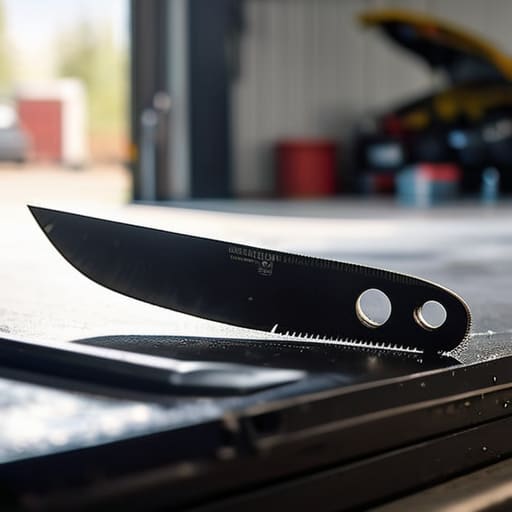
I still remember the time I tried to slice through some old, hardened electrical loom tape with a dull pocket knife while working on my dad’s old Corolla. I ended up slipping, nearly taking a chunk out of my thumb, and ended up scarring the plastic housing in the process. It was a total rookie move, but it taught me one thing: you can’t just wing it with whatever’s in your pocket. A decent utility knife isn’t some luxury item you buy at a fancy hardware boutique; it’s a fundamental tool that, if you pick the wrong one, will absolutely ruin your day—or your project.
Look, I’m not here to sell you on some over-engineered, titanium-coated gadget that costs fifty bucks. I’ve spent enough hours hunched over engine bays and stripping back stubborn trim to know what actually works when your hands are greasy and you’re in a rush. I’m going to show you exactly what to look for so you can grab a blade that stays sharp and, more importantly, actually stays in your hand when things get tight. No hype, just the real deal on what belongs in your kit.
Table of Contents
Dont Get Hurt Mastering Retractable Blade Safety
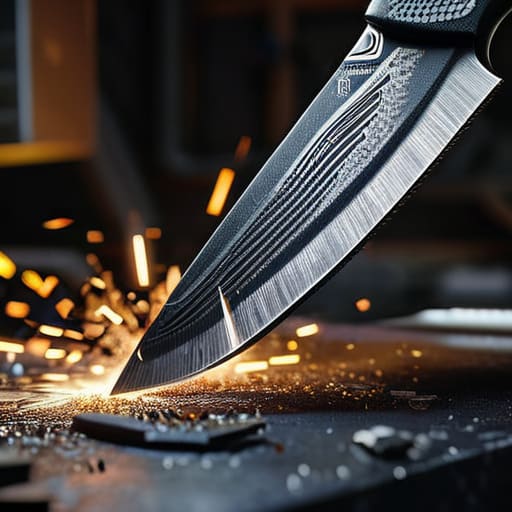
Look, I’ve seen enough guys in the shop end up in the ER because they treated a sharp blade like a toy. When you’re working in tight spaces—like trying to slice through old electrical loom or stubborn adhesive—your hand is usually right in the line of fire. That’s why retractable blade safety isn’t just some textbook rule; it’s how you keep your fingers intact. Never, and I mean never, try to catch a falling knife or pull the blade toward your body. If the tool slips while you’re cutting through heavy plastic, you want that momentum moving away from you, not straight into your palm.
Another thing that bites people is using a dull edge. It sounds counterintuitive, but a blunt blade actually requires more force, which is exactly when you lose control and slip. If you’re using something with replaceable razor blades, swap them out the second you feel the tool struggling. A fresh edge does the work for you, so you aren’t wrestling with the material. Keep your fingers tucked behind the cutting path, and always click that housing shut the second you’re done. It’s not about being paranoid; it’s about being professional.
Heavy Duty Box Cutters That Actually Get the Job Done
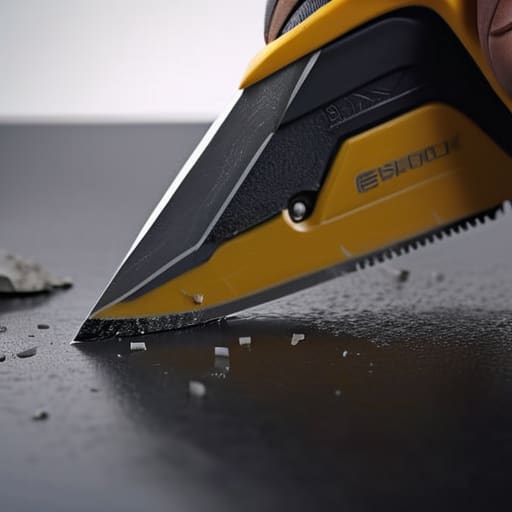
Look, if you’re just slicing through some cardboard or stripping a bit of electrical tape, a cheap little pocket knife is fine. But when I’m wrestling with thick weatherstripping or trying to cut through heavy-duty floor mats that feel like they’re made of vulcanized rubber, those flimsy tools just fail. You need heavy duty box cutters that aren’t going to snap mid-slice. I’ve lost count of how many times I’ve seen a guy try to force a light-duty blade through something tough, only to have the blade jump or the handle crack in his hand.
When you’re working in a shop environment, you want something with an ergonomic handle design that actually grips even when your hands are covered in a bit of oil or sweat. I personally lean toward the industrial grade stuff—the kind that feels substantial in your palm. Most importantly, make sure whatever you pick uses replaceable razor blades. There is nothing more frustrating than a dull edge halfway through a job, forcing you to put the tool down and hunt for a replacement just to finish a single cut.
Pro Tips for Not Wrecking Your Project (or Your Hands)
- Stop using a dull blade just because it’s “good enough.” A dull knife forces you to apply way too much pressure, and that’s exactly when the blade slips and you end up slicing your palm instead of the wiring harness.
- Always cut away from your body. It sounds like something your dad would nag you about, but when you’re hunched over a fender trying to trim some weatherstripping, it’s easy to forget. If that blade slips, you want it heading toward the pavement, not your gut.
- Keep a spare pack of replacement blades in your toolbox. There’s nothing more frustrating than being halfway through stripping some heavy-duty tape or cutting through thick plastic trim and realizing your blade is rounded off.
- Don’t use your utility knife as a pry bar. I’ve seen guys try to wedge a blade into a tight gap to pop some trim clips, and all they do is snap the blade or bend the housing. Use a dedicated pry tool for that; keep the knife for cutting.
- Check your blade’s locking mechanism before every single cut. If you’re working in a cramped engine bay, you don’t want the blade sliding back into the handle mid-cut. Make sure it’s clicked in tight so you’re actually in control.
The Bottom Line on Picking Your Blade
Stop treating every cut like it’s a cardboard box; grab a heavy-duty cutter for thick materials and save the precision blades for the delicate stuff like wire looms or plastic trim.
A dull blade is a dangerous blade because you’ll end up using way too much force, so if it’s dragging or snagging, just snap off a new segment or swap the blade immediately.
Always keep your fingers clear of the cutting path—I’ve seen too many guys lose a fingertip because they thought they could “muscle through” a tough cut instead of just using a sharper tool.
The Real Cost of a Dull Blade
I’ve seen way too many guys try to force a dull blade through heavy-duty electrical tape or thick plastic trim, only to have the knife slip and take a chunk out of their hand. If you’re pushing harder than the tool is designed for, you’re doing it wrong; just swap the blade and keep your fingers intact.
Nikolai·Osterman
Final Thoughts Before You Get to Work
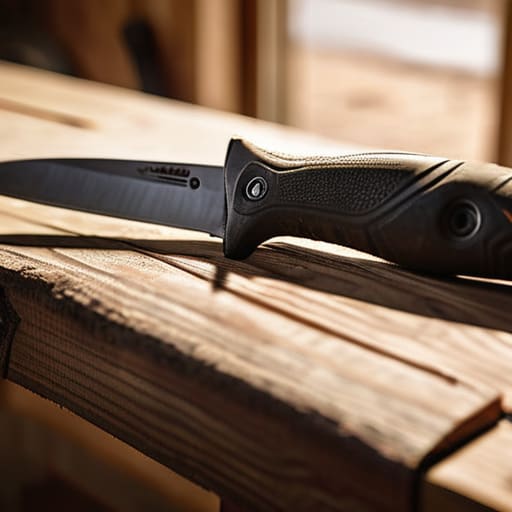
Look, at the end of the day, a utility knife isn’t some high-tech diagnostic scanner, but it’s easily one of the most underrated tools in your kit. Whether you’re slicing through old electrical tape, trimming a stubborn gasket, or just opening up a fresh box of parts, you need something that stays sharp and stays under control. Don’t make the mistake of using a dull, cheap blade just to save a few bucks; you’ll end up slipping and making a mess of things. Just remember to pick a heavy-duty cutter for the tough stuff, keep your fingers clear of the path, and always retract that blade the second you’re done.
I know it can feel intimidating when you’re staring at a project that looks way bigger than you are, but don’t let that stop you. Most of the time, the difference between a successful fix and a total headache is just having the right tool in your hand and the patience to use it correctly. You don’t need a fancy shop or a master technician’s certification to get your hands dirty and get things done. Grab a decent knife, keep your head in the game, and stop letting the small stuff hold you back from fixing what’s broken. You’ve got this.
Frequently Asked Questions
Is it worth spending extra cash on a high-end metal body, or will a cheap plastic one get me through most of my engine bay tasks?
Look, if you’re just opening Amazon boxes, a cheap plastic one is fine. But if you’re working in an engine bay? Get the metal body. Plastic handles get slippery when they’re covered in oil or coolant, and that’s when things go sideways. A solid metal casing gives you better grip and won’t snap if you’re prying at a stubborn piece of weatherstripping or a plastic clip. It’s a one-time buy that actually lasts.
How do I know when a blade is actually dull enough to be dangerous instead of just being "stiff"?
Look, if you’re pushing harder than usual just to get through a piece of electrical tape or some plastic trim, that’s your warning sign. A sharp blade should bite into the material with minimal pressure. If you feel like you’re wrestling with the tool or if it starts sliding sideways instead of cutting clean, it’s dull. Don’t fight it. A dull blade is just a slip waiting to happen. Just swap it out.
Can I use a standard utility knife to strip wire, or am I going to ruin the blade and the wire at the same time?
Look, you can, but it’s a recipe for a headache. If you use a standard utility knife to strip wire, you’re almost definitely going to nick the copper strands. Once those strands are damaged, the wire loses its integrity and can overheat. Plus, trying to get a clean cut on something that small with a big blade is a quick way to ruin your edge and potentially slice your thumb. Just grab a dedicated wire stripper.
