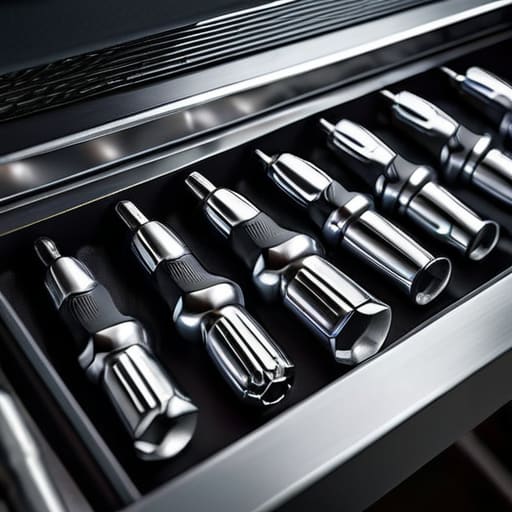
I spent my Saturday morning stuck under a dashboard, cursing a stripped screw because the cheap, “all-in-one” screwdriver set I bought at a big-box store had handles that felt like they were made of recycled milk jugs. There is this massive lie in the automotive world that you need to drop a grand on a professional-grade kit just to change a sensor or tighten a trim piece. Honestly, most of those flashy, 100-piece sets are just expensive clutter that you’ll never actually use, and they’ll definitely fail you when you’re elbow-deep in a cramped engine bay.
I’m not here to sell you on some overpriced brand name or a kit that’s mostly filler. My goal is to cut through the noise and tell you exactly which drivers actually matter when you’re working on a real car. I’ll show you how to pick a screwdriver set that has the right grip, the right steel, and the right variety to ensure you don’t get ripped off or stuck halfway through a job. Let’s get into what actually works.
Table of Contents
- Mastering Phillips vs Slotted Drivers Without the Guesswork
- Why Magnetic Tip Screwdriver Benefits Save Your Sanity Under the Hood
- Don't Get Stuck: 5 Pro Tips for Picking Your Next Set
- The Bottom Line Before You Start Wrenching
- ## Don't Get Stuck with Junk
- Don't Let a Bad Tool Stop You
- Frequently Asked Questions
Mastering Phillips vs Slotted Drivers Without the Guesswork
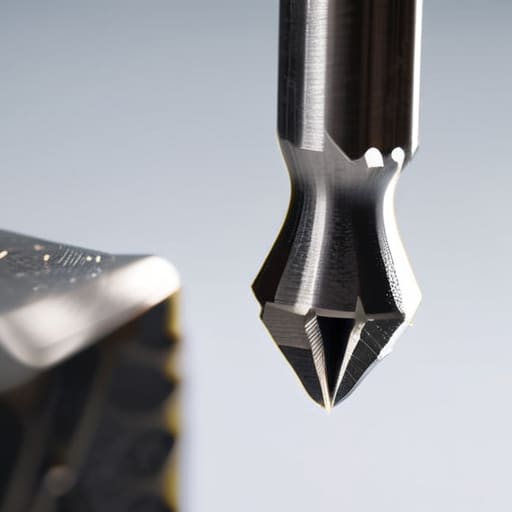
Look, I’ve seen way too many guys strip a screw head just because they tried to force a flathead into a cross-shaped slot. It’s a rookie mistake, but it happens even to people who think they know what they’re doing. When you’re dealing with phillips vs slotted drivers, the rule is simple: match the tip to the screw perfectly. If there’s any wiggle room, you’re going to chew up the metal, and then you’re stuck with a nightmare of a job. I always tell my buddies to look for a driver that seats deep and stays put.
If you want to make your life easier, don’t sleep on the magnetic tip screwdriver benefits. When you’re leaning over a cramped engine bay trying to reach a bolt tucked behind the battery, you don’t want your screw falling into the abyss of the subframe. A solid magnet keeps everything steady so you can actually focus on the turn instead of fishing for hardware with a coat hanger. It’s a small detail, but it’s the difference between a quick fix and a total headache.
Why Magnetic Tip Screwdriver Benefits Save Your Sanity Under the Hood
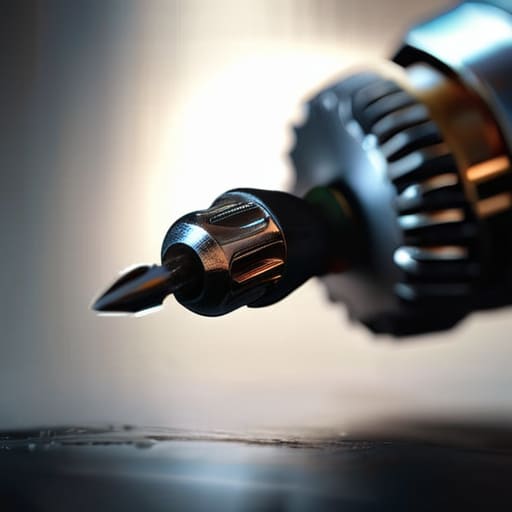
Look, I’ve spent enough hours hunched over a cramped engine bay to know that the smallest mistake can turn a quick fix into a nightmare. There is nothing quite like the soul-crushing feeling of dropping a screw into the dark, greasy abyss of a subframe. You’ll spend the next forty minutes fishing for it with a coat hanger, cursing your luck. This is exactly why the magnetic tip screwdriver benefits aren’t just some luxury; they are a survival tool. When you’re working in tight spots where you can’t even see what you’re doing, that magnetic pull keeps the hardware locked onto the shaft so you can actually focus on the task instead of playing scavenger hunt.
Beyond just holding the screw, a good magnet helps you feel the engagement. It gives you that extra bit of control when you’re navigating around sensitive sensors or plastic trim that’s prone to cracking. If you’re investing in professional grade tool kits, don’t cheap out on the tips. You want something that holds a charge so that when you’re reaching deep into a dashboard or under a seat, that fastener stays exactly where it belongs. It’s about working smarter, not harder.
Don't Get Stuck: 5 Pro Tips for Picking Your Next Set
- Stop buying those cheap, mystery-brand sets from the big-box stores. They’re fine for hanging a picture in the living room, but the moment you try to crack a stubborn screw on a sensor housing, the tip is going to strip or snap. Invest in a set with hardened steel tips that can actually take a bit of torque.
- Size matters more than you think. A lot of guys think one medium screwdriver covers everything, but if the tip doesn’t fit the screw head perfectly, you’re just turning that screw into a smooth, useless crater. Make sure your set has a good range of both long and short shafts so you can reach into tight engine bays without hitting the frame.
- Get yourself some insulated handles. I don’t care if you aren’t working on live wires every day; a handle with a solid, non-slip grip makes a massive difference when your hands are sweaty or covered in a bit of oil. If the handle is flimsy plastic, it’s going to crack the first time you have to put some real pressure behind it.
- Look for a set that includes precision drivers. I’m talking the tiny ones for interior trim clips or electrical components. There’s nothing more frustrating than trying to pry a plastic panel off with a massive flathead and snapping the clip because you didn’t have the right scale of tool.
- Organization is your best friend. If your set comes in a cheap plastic case that breaks after a month, get a dedicated tool roll or a sturdy organizer. I keep mine in a way where I can see every size at a glance. If you’re constantly digging through a pile of loose drivers, you’re wasting time you could be using to actually finish the job.
The Bottom Line Before You Start Wrenching
Stop using the wrong size; a stripped screw head is a nightmare that turns a five-minute fix into a two-hour headache.
Invest in magnetic tips—I’ve spent way too much time fishing tiny screws out of engine bays, and it’s a waste of your time.
You don’t need a massive, expensive kit; just get a solid set of Phillips and slotted drivers that actually fit your hardware properly.
## Don't Get Stuck with Junk
“Look, I’ve seen too many people spend forty bucks on a cheap, flimsy screwdriver set only to have the tip strip the head of a bolt halfway through the job. At that point, you aren’t just losing time; you’re making a simple fix a nightmare. Buy a decent set once, and you won’t be cursing your tools every time you’re elbow-deep in an engine bay.”
Nikolai·Osterman
Don't Let a Bad Tool Stop You
Look, at the end of the day, you don’t need a massive, overpriced rolling toolbox to start working on your own ride. It really comes down to the basics: knowing the difference between your Phillips and slotted heads so you don’t strip a screw, and investing in a few magnetic tips so you aren’t fishing for dropped fasteners in a dark engine bay for twenty minutes. If you get the right screwdriver set, you’re already ahead of most people who just wait for a tow truck. Just remember that quality over quantity is the name of the game when you’re staring down a tight bolt in a cramped corner.
I know it can feel intimidating when you first pop the hood and see a mess of wires and plastic, but don’t let that stop you. Every pro I know started exactly where you are—probably frustrated and covered in a bit of grease. Once you have the right tools in your hand, that intimidation turns into actual confidence. Stop letting shops overcharge you for simple stuff that you could have handled in your own driveway. Grab a decent set, keep your patience, and just start turning things. You’ve got this.
Frequently Asked Questions
Should I go for a cheap multi-piece set or just invest in a few high-quality drivers that won't strip my bolts?
Look, I’ve seen too many guys buy those $10 bargain bins, only to realize halfway through a job that the tip is too soft. They strip a screw head, and suddenly a ten-minute fix turns into a three-hour nightmare with an extractor kit. Do yourself a favor: skip the massive, cheap sets. Buy a few high-quality, driver-specific tools. It’s better to have three drivers that actually grip than twenty that just ruin your hardware.
How do I know if I need a precision set for those tiny sensor screws or just a standard heavy-duty kit?
Look, don’t try to force a standard driver into a sensor housing; you’ll strip the screw head and then you’re really stuck. If you’re working on interior trim, dashboard electronics, or those tiny plastic sensor mounts, grab a precision set. But for anything structural, engine covers, or battery terminals, stick to your heavy-duty kit. Basically, if the screw looks like it belongs on a toy, go precision. If it looks like it’s holding the car together, go heavy-duty.
Is it actually worth getting a ratcheting screwdriver, or is that just another gimmick that'll break on me?
Look, I get why you’re skeptical. Most “gadget” tools are just marketing fluff, but a decent ratcheting screwdriver isn’t one of them. When you’re cramped in a wheel well or reaching behind a dash, you aren’t going to have the room to flip a standard driver over and over. It’s a massive time-saver. Just don’t buy the cheapest junk you find at a big-box store; get something with a solid metal mechanism so it doesn’t snap mid-job.
