
I remember being ten years old, crouched under my dad’s old sedan, squinting through a flashlight while the smell of burnt petroleum filled the garage. I wasn’t looking for a manual; I was just trying to figure out why the driveway looked like a crime scene. Most people see a dark spot on the concrete and immediately think they need to drop a thousand bucks at a dealership for a “diagnostic fee.” That’s exactly how they get you. Real oil leak detection isn’t about some high-tech computer scanning your engine; it’s about getting your hands dirty and learning how to actually follow the trail from the drip to the source.
I’m not here to sell you on fancy additives or overpriced shop equipment that you’ll never use. My goal is to give you the straight truth I’ve learned from years of working in grease-stained hoodies. I’m going to show you how to spot the difference between a simple gasket fix and a total disaster, so you can stop guessing and start fixing. If you’ve got a little patience and the right basic tools, you can handle this yourself without getting ripped off.
Table of Contents
Identifying Oil Stains on Driveway Before They Get Costly
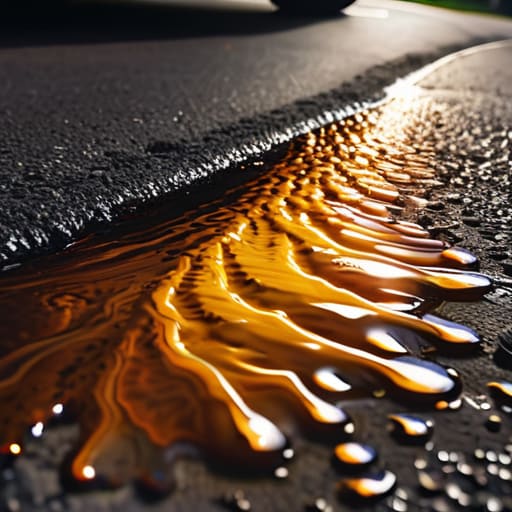
If you walk out to your car in the morning and see a dark, greasy puddle on the concrete, don’t immediately assume your engine is toast. Most of the time, identifying oil stains on your driveway is the first real clue that something is losing its seal. Pay close attention to the color and consistency. Fresh oil usually looks like amber honey, while older, leaked oil turns a thick, dark brown or even black. If the spot is right under the front of the engine, you’re likely looking at a valve cover gasket issue; if it’s further back, it might be your oil pan.
The real danger is when these small drips turn into a steady stream. I always tell people to keep an oil leak inspection checklist in their glovebox—basically, just check your dipstick levels once a week. If you notice you’re constantly topping things off, you’ve got a problem that’s going to get expensive if you ignore it. Catching a weeping seal now is a cheap fix; waiting until your oil light flickers on is a recipe for a total engine rebuild.
Spotting Engine Oil Leak Symptoms With Your Own Eyes
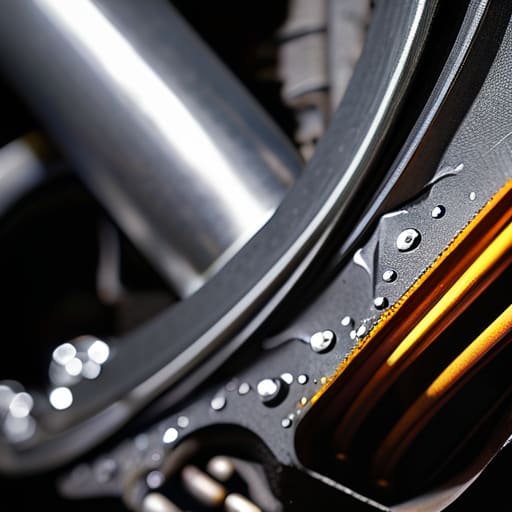
Once you’ve cleared the driveway, it’s time to actually pop the hood and get your hands dirty. You aren’t looking for a massive flood; most of the time, you’re hunting for a slow seep. Grab a bright flashlight and scan around the top of the engine block. Look for that telltale sludge-like buildup or a layer of grime that looks darker and wetter than the rest of the engine. If you see oily residue clinging to the valve cover or pooling near the edges of gaskets, you’re likely looking at some engine oil leak symptoms that need immediate attention.
If the engine bay looks relatively dry but your oil level keeps dropping, things get a bit trickier. You might have a “micro-leak” that only happens when the engine is under pressure. In those cases, I usually suggest detecting oil leaks with UV dye. You just pour a little dye into the crankcase, run the engine, and hit it with a blacklight. It makes the escaping oil glow like a neon sign, which takes all the guesswork out of it. It’s way better than just throwing parts at a problem and hoping for the best.
Pro Tips for Hunting Down the Leak
- Grab a flashlight and a clean rag. You can’t find a leak if you’re squinting in the dark or trying to wipe away old, crusty grime. Clean the area first so you can actually see where the fresh oil is creeping out from.
- Check your oil level with the dipstick more often than you think. If you’re topping it off every week but don’t see a puddle on the ground, that oil is likely burning off inside the engine, which is a totally different headache.
- Look for “wet” spots or heavy dust buildup. Oil acts like a magnet for road grit and dirt. If you see a patch of engine components that looks way dirtier or “mushier” than the rest, that’s usually where the seepage is happening.
- Smell for that burnt toast scent. If you pull into your driveway and it smells like something’s cooking under the hood, you probably have oil dripping onto a hot exhaust manifold. It’s a huge fire risk, so don’t ignore it.
- Use a piece of clean cardboard under the car overnight. It’s the oldest trick in the book, but it works. A clean sheet of cardboard makes it dead easy to see exactly where the drops are landing, which helps you pinpoint if it’s a gasket or a drain plug issue.
The Bottom Line on Catching Leaks Early
Don’t wait for a dashboard light; if you see fresh spots on your driveway or smell something burning after a drive, your car is already trying to tell you something.
Use a flashlight and your eyes—most leaks are just messy residue around gaskets or seals that you can spot without needing a shop manual.
Catching a small drip now saves you from a massive repair bill later, so treat a little oil stain as a warning sign rather than ignoring it.
## The Golden Rule of Leaks
“Don’t wait until your engine is screaming or your driveway looks like a crime scene; catching a drip early is just a matter of paying attention, and it’ll save you a hell of a lot more money than a mechanic’s ’emergency’ diagnostic fee.”
Nikolai·Osterman
Don't Let a Small Drip Turn Into a Big Bill
At the end of the day, catching an oil leak is all about being proactive rather than reactive. Whether you’re spotting those dark patches on your driveway in the morning or noticing that something smells a bit funky under the hood after a long drive, your car is trying to tell you something. Remember, you don’t need a fancy diagnostic computer to see that a gasket is failing or a drain plug is loose; you just need to actually look at what’s happening under there. If you stay on top of the visual cues and the smells, you can usually catch a minor leak before it turns into a catastrophic engine failure that costs more than your entire monthly rent.
I know it can feel intimidating when you pop the hood and see a mess of wires and metal, but don’t let that stop you. Most people get ripped off because they’re too scared to ask questions or even look at the problem themselves. My advice? Grab a flashlight, get a little bit of grease on your hands, and take control of your own machine. Once you start understanding how these parts work together, you’ll realize that maintenance isn’t some mysterious ritual—it’s just basic upkeep. You’ve got this, so stop guessing and start inspecting.
Frequently Asked Questions
How can I tell the difference between an actual oil leak and just some old residue that's been sitting there for years?
Look, I’ve seen this a hundred times. If it’s just old residue, it’ll look like a thin, crusty layer of dark grime that doesn’t move. It’s basically just “engine seasoning.” But if it’s an active leak, that stuff will look wet, shiny, or even have fresh drips pooling underneath. If you wipe it with a clean rag and it comes back oily or wet within a day, you’ve definitely got a real leak on your hands.
Is it worth trying to patch a small leak myself, or am I just wasting time if it's going to keep coming back?
Look, I’ll be real with you: if it’s a tiny seepage from a gasket, a temporary fix might buy you some time, but don’t expect a miracle. Some “stop-leak” additives are just band-aids that can actually gunk up your seals later. If it’s a loose bolt or a cracked hose, go for it. But if it’s a failing seal, you’re just chasing your tail. Save your energy for the real repair.
What kind of tools do I actually need to get under the car and find the source without making a massive mess?
Look, you don’t need a professional lift to do this, but you do need to be smart about it. First, grab a solid floor jack and, more importantly, heavy-duty jack stands—never trust just the jack. A bright LED work light is a lifesaver for seeing into those dark crevices, and a telescopic inspection mirror will help you peek behind the block. Keep some degreaser and shop rags handy to clean things up as you go.
