I was under a beat-up Corolla last Tuesday, wiping oil off my knuckles, when I saw a guy in the shop next door trying to reuse a flattened, crusty metal ring from a client’s oil change. It drove me insane. Most shops—and even some DIYers—treat the drain plug washer like it’s just some useless piece of scrap metal that doesn’t matter, but that’s a fast track to a messy driveway and a potential engine headache. You don’t need to pay a mechanic fifty bucks to tell you this, but skipping a fifty-cent part is just plain lazy.
I’m not here to give you some textbook lecture or sell you on expensive, unnecessary gaskets you don’t need. My goal is simple: I want to show you how to do this job the right way so you aren’t getting ripped off or wasting your time. I’ll walk you through exactly what to look for, which materials actually work for your specific car, and how to avoid those stupid, avoidable leaks that keep people coming back to the shop. Let’s get into it.
Table of Contents
- Preventing Oil Pan Leaks With One Simple Part
- The Truth About Engine Oil Service Components Under Your Hood
- Pro Tips for Not Messing Up Your Next Oil Change
- The Bottom Line on Your Next Oil Change
- ## Don't Let a Cent Save You a Thousand Dollars
- The Bottom Line on Your Next Oil Change
- Frequently Asked Questions
Preventing Oil Pan Leaks With One Simple Part
Look, I’ve seen it a dozen times at the shop: a customer comes in with a driveway covered in dark spots, thinking they’ve got a massive oil pan failure. Usually, it’s just a cheap mistake. They skipped out on a tiny piece of metal during their last oil change, and now they’re staring down a much more expensive repair. Preventing oil pan leaks isn’t actually about some complex engineering; it’s about realizing that the old, flattened gasket can’t do its job anymore once it’s been crushed too many times.
When you’re grabbing your oil change maintenance supplies, don’t just grab the oil and a filter. You need to know the difference between a copper crush washer vs aluminum for your specific vehicle. Aluminum is great because it’s softer and conforms to the surface easily, while copper is a bit more heavy-duty. If you try to reuse a deformed one, you’re basically begging for a slow drip. It’s a small thing, but getting your drain plug gasket sizing right is the easiest way to keep your engine clean and your wallet full.
The Truth About Engine Oil Service Components Under Your Hood
Look, when you’re staring at a messy engine bay, it’s easy to think everything is complicated, but a lot of it comes down to the small stuff. Most people focus on the expensive oil filters or the brand of synthetic they’re pouring in, but they completely ignore the actual engine oil service components that keep the fluids where they belong. If you aren’t paying attention to the small hardware, you’re basically asking for a headache down the road.
I’ve seen guys spend hundreds on high-end oil just to have it drip out of a loose connection because they didn’t bother checking their supplies. You need to know the difference between a copper crush washer vs aluminum depending on what your specific vehicle calls for; using the wrong one is a rookie mistake that leads to stripped threads or constant weeping. It’s not just about the plug itself, but making sure your oil change maintenance supplies are actually up to the task. If you treat these tiny parts like an afterthought, you’re just setting yourself up for a much more expensive repair later.
Pro Tips for Not Messing Up Your Next Oil Change
- Stop reusing that old washer. I see guys at the shop try to squeeze one last life out of a crushed aluminum ring, but once it’s deformed, it’s done. Just grab a new one; it costs pennies and saves you a massive headache.
- Check your material. Most of the cars I work on use aluminum or copper crush washers. If you’re working on an older tuner or something custom, make sure you aren’t putting a hard steel washer where a soft one belongs, or you’ll strip those oil pan threads.
- Clean the mating surface every single time. Before you drop the new washer on, take a clean rag and wipe down the area around the drain hole. If there’s grit or old sludge stuck there, even a brand-new washer won’t seal right.
- Don’t go overboard with the torque. I know it’s tempting to crank that bolt down until your knuckles bleed to make sure it’s “tight,” but you’ll just crush the washer into a pancake or, worse, crack the pan. Use a torque wrench if you have one, or just snug it up firmly.
- Keep a stash in your toolbox. Don’t be the guy halfway through an oil change realizing you’re missing a washer. I always keep a handful of various sizes in my magnetic tray so I’m never stuck waiting on a trip to the parts store.
The Bottom Line on Your Next Oil Change
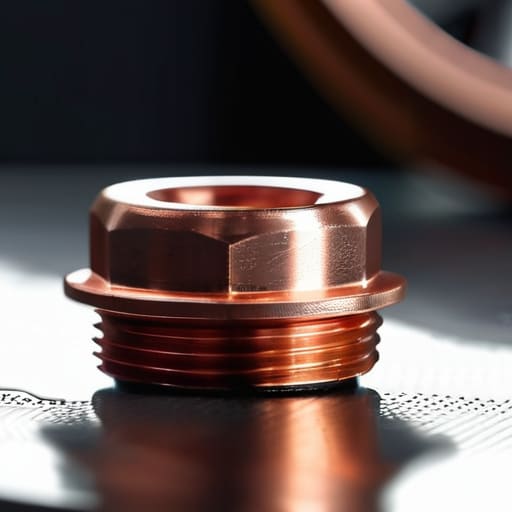
Stop reusing that old, flattened washer; it’s a cheap part that’s meant to be crushed once to create a seal, and trying to save a few cents will just lead to a messy oil leak on your driveway.
Always grab the correct size and material for your specific vehicle, because using a generic washer that doesn’t fit perfectly is just asking for a slow drip that can eventually drain your oil pan.
Treat the washer as a non-negotiable part of your maintenance kit, not an optional extra—it’s the simplest way to make sure your oil change actually stays clean and professional.
## Don't Let a Cent Save You a Thousand Dollars
“I’ve seen guys spend a fortune on high-end synthetic oil only to let it drip onto their driveway because they were too cheap to spend fifty cents on a new crush washer. It’s not about the money; it’s about not being the person who causes a preventable mess because you skipped the basics.”
Nikolai·Osterman
The Bottom Line on Your Next Oil Change
Look, at the end of the day, it all comes down to the basics. You’ve got the right oil, a decent filter, and you’ve got the patience to do the job right. But if you ignore that tiny, cheap drain plug washer, you’re basically asking for trouble. I’ve seen way too many guys try to save a couple of bucks by reusing a crushed, flattened washer, only to end up with a slow, annoying drip all over their driveway a week later. Don’t be that guy. Just grab a fresh one every single time you’re under there. It’s a two-cent part that prevents a massive headache and keeps your oil pan bone-dry.
My dad always used to say that the small details are what separate a real mechanic from someone who just plays with tools, and honestly, he was right. Taking care of your car isn’t about having a fancy shop or a degree; it’s about having the respect for the machine to do the little things correctly. You don’t need to be an expert to take ownership of your maintenance, you just need to be thorough. So, grab your magnetic tray, get under there, and do it right the first time. Your engine—and your wallet—will definitely thank you for it.
Frequently Asked Questions
Can I just reuse my old washer if it still looks okay, or is that asking for trouble?
Look, I get it. You’re under the car, you’re covered in grease, and that washer looks perfectly fine. But “fine” is how you end up with a slow drip on your driveway two weeks later. These things are designed to crush slightly to create a perfect seal. Once they’ve been compressed, they lose that springiness. Don’t risk a messy oil leak just to save fifty cents. Grab a new one.
Does it matter if I use a copper washer versus an aluminum one for my specific car?
Look, don’t just grab whatever’s lying around in your toolbox. It definitely matters. Copper is tougher and holds up better if you’re dealing with high heat or high pressure, but aluminum is softer, which means it “crushes” easier to create a better seal on lighter-duty setups. Check your service manual or even the old washer—if it’s aluminum, stick with aluminum. Using the wrong one is a fast track to a slow drip.
How tight am I actually supposed to crank that drain plug down without stripping the threads?
Look, I’ve seen too many guys turn that plug into a permanent part of the oil pan because they thought “tight” meant “as hard as I can pull.” Stop that. You aren’t trying to win a tug-of-war. If you have a torque wrench, use it—usually around 20-30 ft-lbs depending on your car. If you’re going by feel, snug it down, then give it maybe a tiny nudge more. If it feels like it’s resisting hard, back off. Don’t strip those threads; you’ll regret it.
