I remember sliding out from under my dad’s old sedan last winter, my hands covered in grit and the smell of wet, salty slush stinging my nose. I looked up and saw him shaking his head because I’d ignored the most basic step of winter maintenance. Most people think you can just drive through a standard car wash and call it a day, but a basic spray isn’t a real undercarriage wash. If you aren’t actually hitting the frame, the suspension components, and those hidden crevices where the road salt hides, you’re basically just inviting rust to dinner.
I’m not here to sell you some overpriced chemical coating or tell you that you need a professional detailing crew every two weeks. I just want to show you how to do it right so you don’t end up paying thousands for frame repairs later. I’ll walk you through the exact spots you need to hit with a hose and the simplest tools you can use in your own driveway. Let’s get into the real way to protect your ride without getting ripped off.
Table of Contents
- Mastering Road Salt Removal Techniques Without the Fancy Tools
- Why Preventing Chassis Oxidation Is Easier Than You Think
- My Pro Tips for Getting the Grime Out Without Wasting Time
- The Bottom Line on Keeping Your Frame Clean
- ## The Real Cost of Skipping a Rinse
- Keeping Your Ride Clean and Corrosion-Free
- Frequently Asked Questions
Mastering Road Salt Removal Techniques Without the Fancy Tools
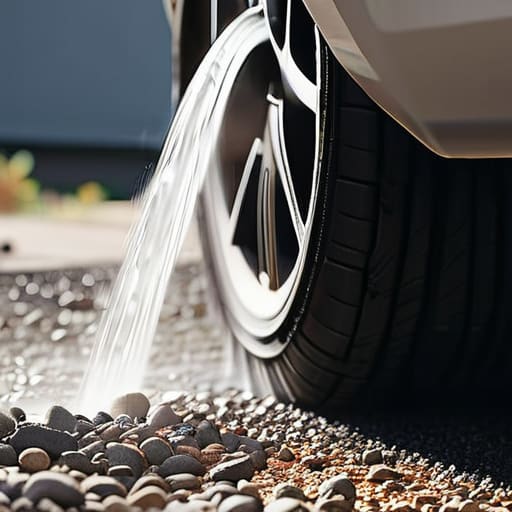
Look, you don’t need a high-pressure industrial sprayer or a professional detailing setup to get the job done. Most of the time, a standard garden hose with a decent spray nozzle is more than enough to handle basic road salt removal techniques. The trick isn’t about the pressure; it’s about the angle. You want to aim the stream directly into the tight crevices where the salt likes to hide. Don’t just spray the flat parts of the frame—focus on cleaning wheel wells and suspension components, because that’s where the brine really clings and starts the damage.
I’ve seen way too many guys just spray the sides of the car and call it a day. If you aren’t getting the water up into the belly of the beast, you’re wasting your time. Grab a stiff-bristled brush if you have one, and scrub those areas where the salt looks crusty. It’s all about consistent, targeted rinsing rather than just blasting the surface. If you take ten minutes to do it right, you’re doing a lot more for your vehicle underbody maintenance than some guy who just drives through a car wash and hopes for the best.
Why Preventing Chassis Oxidation Is Easier Than You Think
Look, I’ve seen too many guys walk into my shop with frames that look like they’ve been sitting at the bottom of a lake. Once that rust starts flaking off in big chunks, you’re not just looking at a cosmetic issue; you’re looking at a massive repair bill. The thing is, preventing chassis oxidation isn’t some high-tech science that requires a specialized shop setup. It’s really just about consistency. If you catch the salt and grime before it has a chance to bond with the metal, you’re winning the battle before it even starts.
You don’t need to spend hundreds on professional coatings every single season to keep things tight. A solid routine of vehicle underbody maintenance—basically just getting in there with a decent pressure washer once the weather clears—is usually enough to keep the bulk of the damage at bay. I always tell people to pay extra attention to the tight spots, like cleaning wheel wells and suspension components, because that’s where the nasty stuff loves to hide and eat away at your hardware. Keep it clean, keep it simple, and your car will actually last long enough to become a classic.
My Pro Tips for Getting the Grime Out Without Wasting Time
- Don’t just spray from a distance; get the nozzle close to the frame rails and wheel wells to actually blast that caked-on salt loose.
- Check your brake lines and fuel lines while you’re under there—if you see any pitting or heavy scaling, stop washing and start worrying about a replacement.
- Avoid using high-pressure power washers directly on your electrical connectors or sensor harnesses, or you’ll end up with a headache that costs way more than a rinse.
- Use a dedicated undercarriage cleaning wand if you can swing it; it reaches the spots your standard garden hose just can’t touch.
- Always do this after a heavy snow or a salty storm, and try to do it before the car sits in your driveway for a week, letting that salt soak into the metal.
The Bottom Line on Keeping Your Frame Clean
Don’t wait for a visible rust patch to start cleaning; if you live somewhere with salt or heavy mud, make a rinse part of your regular routine.
You don’t need a professional pressure washer to get the job done—a decent garden hose and some focus on the tight spots will save you a fortune in body shop bills later.
Focus your attention on the crevices and joints where salt loves to hide, because that’s where the real damage starts eating your chassis from the inside out.
## The Real Cost of Skipping a Rinse
“I’ve seen guys spend thousands on engine swaps and turbo kits only to have the whole car rot out from the bottom up because they were too lazy to spray off the road salt. You can have a mint interior, but if your frame is turning into Swiss cheese, you’re just driving a ticking time bomb.”
Nikolai·Osterman
Keeping Your Ride Clean and Corrosion-Free
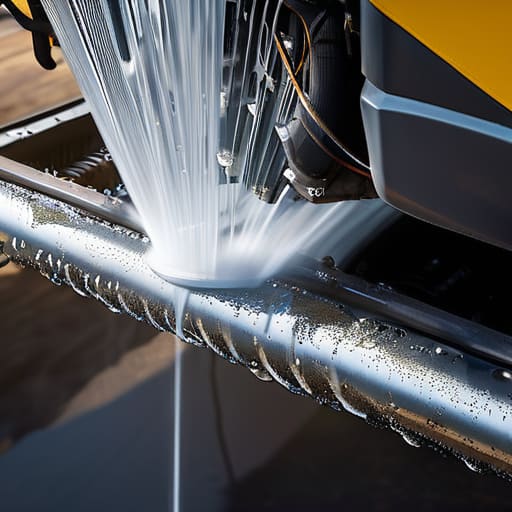
At the end of the day, keeping your undercarriage clean isn’t some high-end detailing ritual; it’s just common sense maintenance. We’ve talked about how easy it is to blast away road salt with a basic hose setup and why catching oxidation early saves you from a massive repair bill down the road. You don’t need a professional pressure washer or a shop full of expensive chemicals to get the job done. Just grab your gear, get under there, and make sure you’re hitting those hard-to-reach spots like the frame rails and suspension components. If you stay on top of it, you’ll stop the rust before it even has a chance to start.
I know it can feel like a chore, especially when you’d rather be doing something else, but trust me—your car will thank you for it. I’ve seen too many people walk into my shop with frames so eaten away by salt that the car is basically a total loss. Don’t let that be you. Taking twenty minutes to rinse out the grit and grime is a small price to pay for the peace of mind that comes with a solid, reliable vehicle. You’ve got the tools and you’ve got the knowledge; now just get out there and take control of your own maintenance. Your car is an investment, so treat it like one.
Frequently Asked Questions
Is it actually safe to blast the undercarriage with a high-pressure power washer, or am I going to mess up my sensors and wiring?
Look, I get the anxiety. You see all those wires and sensors hanging around and think, “One wrong move and I’m looking at a massive repair bill.” Here’s the deal: don’t go full “industrial pressure washer” mode. Keep a decent distance and don’t aim the nozzle directly at electrical connectors or sensitive sensors. A steady stream is fine, but blasting them up close is a recipe for a headache. Just keep it moving and stay back.
How often do I really need to do this if I live in a place that doesn't get much snow or salt?
If you aren’t fighting road salt, you don’t need to be out there every week, but don’t get lazy. Even without snow, things like mud, sand, and road grime trap moisture against your metal, which eventually leads to rust. I’d say aim for once a month or whenever you notice a heavy buildup of dirt after a rainy week. Just keep it clean enough that nothing is sitting there rotting.
Should I be looking for specific undercarriage cleaning products, or is just plain old soap and water enough to get the job done?
Look, you don’t need to drop fifty bucks on some “specialty chassis degreaser” just to get the job done. Honestly, a good bucket of warm water and some basic dish soap or car wash soap works fine for most of what you’re dealing with. If you’ve got some nasty, caked-on grime or heavy grease, maybe grab a dedicated degreaser, but for regular salt removal? Plain old soap and water is plenty. Don’t let them upsell you.
