I still remember the sound of my dad’s old sedan screaming in third gear—a high-pitched, metal-on-metal grind that made my stomach drop every time we hit a hill. I spent my entire childhood thinking that a noisy gearbox was just “part of the character” of an old car, only to realize later that it was just someone neglecting basic manual transmission maintenance. Most shops will try to tell you that these gearboxes are “sealed for life” or that you need a specialized technician and a massive invoice just to swap out some old oil. That’s a total load of garbage designed to keep your wallet thin while your synchros slowly die.
I’m not here to give you a lecture or some textbook theory that you’ll never use. My goal is to show you that keeping your gears smooth is actually pretty straightforward if you stop listening to the hype. I’m going to walk you through the real-world stuff—the specific fluids you actually need, how to spot a leak before it becomes a disaster, and the simple steps to ensure your shifter stays crisp and responsive. You don’t need a fancy degree to do this; you just need to know what to look for.
Table of Contents
- Watch for Synchromesh Replacement Signs Before They Kill Your Gears
- Why Transmission Fluid Viscosity Matters More Than You Think
- 5 Ways to Keep Your Gearbox From Turning Into a Paperweight
- The Bottom Line on Keeping Your Gears Happy
- ## The Golden Rule of the Gearbox
- Keeping Your Gears in Check
- Frequently Asked Questions
Watch for Synchromesh Replacement Signs Before They Kill Your Gears
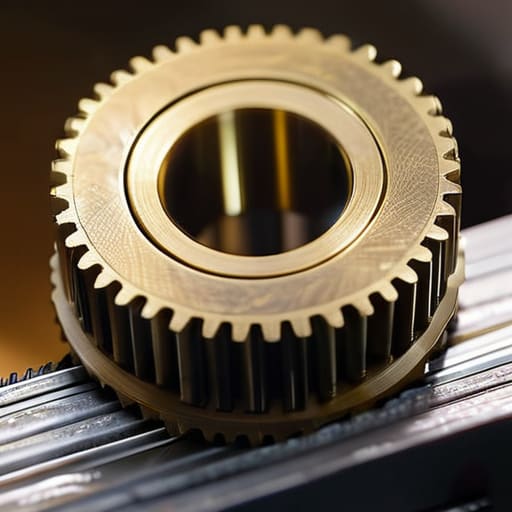
If you start hearing a nasty little crunch every time you try to downshift into second or third, pay attention. That’s not just “character” in an old car; it’s one of the biggest synchromesh replacement signs you’ll ever encounter. The synchro’s job is to match the speed of the gear to the shaft so everything slides together smoothly. When those brass rings start wearing thin, you’re basically forcing metal to fight metal. If you ignore that grinding sound, you aren’t just looking at a quick fix anymore—you’re looking at a total gearbox rebuild that’ll cost you a month’s rent.
You also need to keep an ear out for gear “pop-out.” If you’re cruising and the shifter suddenly jumps back into neutral on its own, something is seriously wrong with your syncros or the internal pressure. Sometimes people mistake this for a bad clutch pedal adjustment, but if the pedal feels fine and the gears are still fighting you, the issue is deeper inside the casing. Don’t wait until you’re stranded on the shoulder with a dead transmission; catch these noises early so you can stay ahead of the damage.
Why Transmission Fluid Viscosity Matters More Than You Think
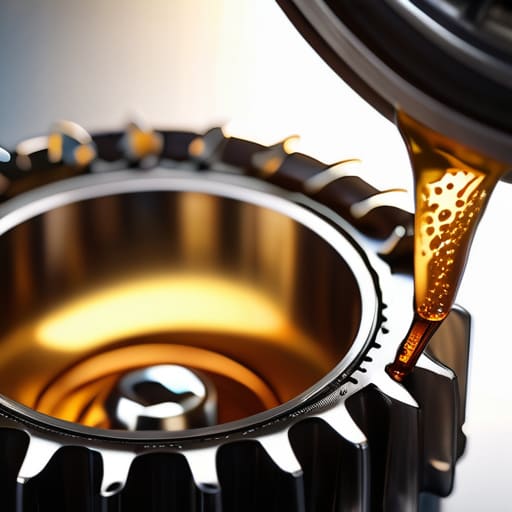
Look, I’ve seen guys try to save a few bucks by using whatever old oil they had sitting in the corner of the garage, and it’s a disaster waiting to happen. Transmission fluid viscosity isn’t just some technical term to make textbooks sound smart; it’s the difference between smooth gear changes and hearing a sound like a blender full of marbles. If the fluid is too thin, it can’t maintain that protective film between your moving parts, especially when the engine gets hot. If it’s too thick, you’re going to feel that resistance every time you try to move through the gates.
When the viscosity is off, you’ll start noticing real shifting difficulty causes that most people mistake for a dying clutch. You might think you need a whole new setup, but usually, your gears are just struggling to move through sludge that’s lost its properties. Keeping the right weight in your gearbox is one of those non-negotiable steps for manual gearbox longevity. It’s much cheaper to swap out some fluid than it is to rebuild a transmission from scratch.
5 Ways to Keep Your Gearbox From Turning Into a Paperweight
- Stop treating your clutch like an on/off switch. I see guys riding the pedal way too much, which just cooks the friction material. Use your foot for driving, not for holding the car in place at a red light.
- Don’t wait for a leak to become a puddle. If you smell something burnt or see a dark, oily spot under your car, check your transmission pan seals immediately. It’s a cheap fix now, but a total rebuild later if you let it run dry.
- Get yourself a decent magnetic parts tray—trust me on this. When you’re draining fluid or messing with the shifter linkage, you don’t want a random bolt rolling under a workbench. It’ll save you an hour of frustration.
- Stop ignoring that weird “crunch” when you shift. If it only happens when the car is cold, you might be okay for a bit, but if it starts happening every time, your synchros are screaming for help. Listen to the car before it stops listening to you.
- When you do a fluid change, don’t just buy the cheapest stuff on the shelf. Check your owner’s manual for the specific weight and type. Putting the wrong gear oil in a sensitive modern gearbox is a fast track to grinding your teeth off.
The Bottom Line on Keeping Your Gears Happy
Listen to your car; if you’re hearing grinding or feeling a notch when shifting, your synchros are screaming for help before they turn into a massive repair bill.
Don’t get cheap with the fluid—sticking to the right viscosity isn’t just some textbook rule, it’s the only thing keeping your gears from overheating and wearing down.
Stay ahead of the game by checking your transmission fluid regularly, because catching a small leak now is a lot cheaper than replacing a whole gearbox later.
## The Golden Rule of the Gearbox
Look, your transmission isn’t going to scream for help right before it dies; it’s going to whisper through a slight grind or a sticky shift first. If you ignore those little warnings to save a few bucks today, you’re just signing up for a massive repair bill tomorrow.
Nikolai·Osterman
Keeping Your Gears in Check
Look, keeping a manual transmission healthy isn’t some mysterious science that only master techs understand. It really boils down to paying attention to what your car is telling you. If you’re hearing that dreaded grinding during shifts, your synchros are likely screaming for help. If your shifts feel sluggish or heavy, your fluid viscosity is probably shot and it’s time for a swap. Don’t just ignore those weird noises or stiff gear changes; catch the problem early before you end up staring at a massive repair bill for a total gearbox rebuild. Just keep an eye on your fluid quality and listen to the rhythm of your shifts, and you’ll save yourself a massive headache down the road.
At the end of the day, I don’t want you to feel intimidated by what’s happening under your floorboards. Most people think a transmission issue means the car is a lost cause, but that’s just not true. If you have the right tools and a little bit of grit, you can handle the basics yourself. There is a certain kind of satisfaction that comes from knowing exactly why your car is behaving the way it is because you actually did the work. Stop letting the fear of “breaking something” keep you from getting your hands dirty. Grab your wrench, stay patient, and take control of your ride.
Frequently Asked Questions
How do I actually know if my fluid is shot or if I'm just driving a car with high mileage?
Look, mileage alone isn’t the enemy; it’s the condition of the fluid. Pull the dipstick or check your inspection plug. If the fluid looks like clear honey or a light amber, you’re golden. If it’s looking like burnt coffee or smells like a literal campfire, that’s your answer—it’s shot. High mileage is fine, but charred, gritty fluid is a ticking time bomb for your gears. Don’t guess; just smell it.
Is it worth trying to flush the old gear oil out, or should I just drain and fill it?
Look, if you’re asking me, just stick to a drain and fill. Flushing can be risky—if your gear oil is super old and gritty, a high-pressure flush might actually dislodge gunk that settles in the wrong spots or clogs small passages. It’s safer to just pull the plug, let the heavy stuff drain out, and pour in fresh oil. It’s less “fancy,” but it gets the job done without the headache.
If my shifter feels like it's stuck in mud, is that a fluid issue or am I looking at a bigger mechanical problem?
Honestly, that “stuck in mud” feeling is usually a red flag. If your fluid is old and thick, it can definitely make shifting feel sluggish, but if it feels heavy or resisted, you might be looking at something more serious. Check your fluid level and color first—if it’s dark or smells burnt, swap it out. But if the fluid looks fine and it still feels like you’re fighting the car, your shifter linkage or bushings might be shot.
