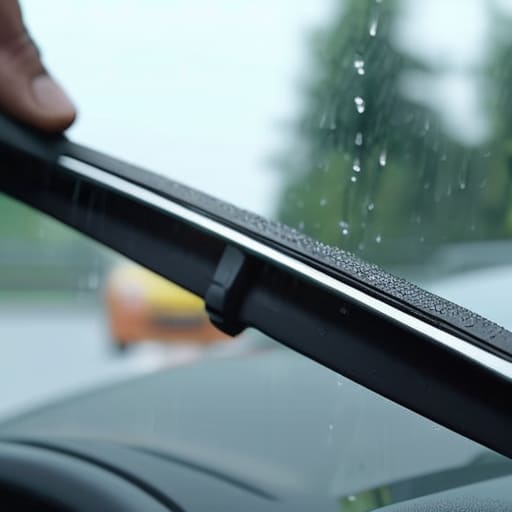
I remember driving home from a late shift last month, caught in one of those sudden, heavy summer downpours that turns the world into a gray blur. I flicked my wipers on, expecting clarity, but instead, I just got this agonizing screeching sound and a smeared mess of water that made it impossible to see the lines. It’s the same old story: you ignore your windshield wiper blades for six months, and then suddenly, you’re white-knuckling the steering wheel because you’re basically driving blind. It’s frustrating because it’s such a small, cheap fix that most people let turn into a genuine safety hazard.
Look, I’m not here to sell you some overpriced, “aerodynamic” luxury kit that costs more than a tank of gas. My goal is to cut through the marketing nonsense and show you how to pick the right blades for your specific car and actually swap them out without breaking a sweat. I’ll give you the straight truth on what lasts and what’s a waste of money, so you can stop squinting through the smear and get back to driving with confidence.
Table of Contents
How to Choose Wiper Blade Size Without the Guesswork

Look, don’t just wander into the auto aisle and grab whatever looks decent. Most people think all blades are the same, but if you get the wrong length, you’re asking for trouble. If they’re too long, they’ll lift off the glass at high speeds; too short, and you’ve got a massive blind spot right in your line of sight. When learning how to choose wiper blade size, the easiest way is to skip the guesswork and check your owner’s manual. If you don’t have that handy, pull up your car’s year, make, and model on your phone.
If you’re feeling hands-on, grab a tape measure and measure the length of the current blades from tip to tip. Just keep in mind that some cars use different sizes for the driver and passenger sides, so don’t assume they’re identical. While you’re at it, consider the material. You’ll see a lot of debate over silicone vs rubber wiper blades on the shelves. Rubber is the standard, budget-friendly choice, but silicone tends to last longer and handles extreme heat better. Either way, getting the right fit is the first step to avoiding those annoying streaks.
Silicone vs Rubber Wiper Blades Which One Actually Lasts

Look, you’re going to see two main options on the shelf: standard rubber and the fancy silicone stuff. Most shops will try to upsell you on the silicone because the margins are better, but it’s not always a magic fix. Traditional rubber is the old reliable; it’s cheap, it works, and if you’re on a budget, it gets the job done. The downside? Rubber tends to dry out and crack faster, especially if you live somewhere with brutal sun or extreme temperature swings. If you start noticing streaky windshield causes like uneven wiping, it’s usually because the rubber has lost its edge.
Silicone is the heavy hitter. It’s more expensive upfront, but the material is way more resilient against UV damage and heat. If you’re looking for the best wiper blades for heavy rain or live in a climate that constantly beats your car up, silicone is worth the extra cash because it lasts significantly longer. It also tends to leave a smoother coating on the glass, which helps prevent that annoying windshield wiper squeaking you get with cheap, dried-out blades. Just pick what fits your driving habits and your wallet.
5 Pro Moves to Keep Your Wipers from Acting Up
- Clean your windshield with a dedicated glass cleaner, not just your wipers. If there’s a layer of road grime or tree sap buildup, your new blades are going to smear it around and wear down way faster than they should.
- Stop using the wiper function when your windshield is dry. I’ve seen guys do this all the time, but it’s basically just dragging a dry rubber edge across glass, which creates micro-scratches and kills the blade edge in a week.
- Check your wiper arm tension. If your blades are streaking even after a fresh swap, the spring in the arm might be weak. If the arm isn’t pressing the blade firmly against the glass, you’re never going to get a clean wipe.
- Keep an eye on your washer fluid levels. Running your wipers on a dry windshield because you’re out of fluid is a rookie mistake that’ll cost you a set of blades sooner rather than later.
- Don’t pull your wiper arms away from the hood to clean the glass. It’s easy to accidentally snap the spring mechanism or scratch the paint on your car. Just use a microfiber towel and a bit of spray while they’re in the normal position.
The Bottom Line on Clear Vision
Stop guessing your blade length; check your owner’s manual or pull up your car’s specs online so you don’t end up with a blade that hangs off the edge or leaves a gap.
Don’t just grab the cheapest rubber blades at the big-box store if you live somewhere with crazy heat or freezing winters—investing a little more in silicone will save you from replacing them every few months.
Treat yourself to a quick wipe-down with a damp cloth once a month to clear off the grime, and you’ll keep those blades from streaking way longer than if you just let the dirt build up.
The Real Cost of Being Cheap
Look, you can save ten bucks by grabbing those bottom-shelf blades from the grocery store, but you’ll pay for it the first time a heavy rain turns your windshield into a blurry mess. Don’t gamble with your visibility just to save a little pocket change; buy something that actually clears the glass, or don’t bother.
Nikolai·Osterman
Don't Let a Cheap Blade Ruin Your Drive

At the end of the day, picking the right wipers isn’t some high-level engineering mystery. You just need to know your exact driver and passenger lengths so you aren’t fighting with a blade that’s too big for the frame. Whether you decide to go with the budget-friendly rubber options or you want to invest a little more in silicone blades that can handle a brutal summer heatwave, the main thing is consistency. Don’t just grab the first cheap pack you see at the grocery store checkout; take five minutes to check the compatibility and the material. It’s the difference between a clear view and spending your entire commute squinting through a blurry mess of streaks.
I know it feels like just another small thing on a long list of car maintenance, but these little fixes are where you actually start to take control. You don’t need to roll into a shop and pay a guy eighty bucks just to swap out some clips and tensioners. Once you realize that most repairs are just about patience and having the right info, the whole car becomes a lot less intimidating. Grab a new set, pop them on, and get back on the road knowing you did it yourself. You’ve got this.
Frequently Asked Questions
My wipers are still streaking even after I swapped them out—what am I doing wrong?
Look, if you just slapped on new blades and they’re still streaking, you probably missed the dirty part: the glass. Most people forget that road grime, sap, and wax build up on the windshield itself. Grab some glass cleaner and a microfiber towel and scrub the surface until it’s spotless. Also, check your wiper arms—if the tension is weak or the rubber is hitting at a weird angle, new blades won’t fix that.
Is it actually worth spending the extra cash on those premium Bosch or Rain-X blades, or should I just stick to the cheap ones from the big-box stores?
Look, if you’re just trying to clear some dust, the cheap ones are fine. But if you actually care about your visibility, spend the extra few bucks on the premium stuff like Bosch. The cheap blades usually start streaking or making that annoying chatter sound after just a few months. I’ve seen way too many people get stuck with shitty wipers during a storm. Save yourself the headache and buy the better ones once.
How often should I actually be cleaning my windshield and wiper arms to keep them from getting trashed?
Honestly, don’t wait for a streak to tell you something’s wrong. I usually wipe down my blades and the glass with a microfiber and some glass cleaner every time I hit the car wash. If you’re driving through construction or dusty areas, do it more often. Also, grab a rag and clean the actual wiper arms; if grit builds up where the blade meets the metal, it’ll chew through your new rubber in no time.
