I remember sitting in my dad’s old sedan after a long shift, looking down at a dashboard so caked in dust and coffee spills that I could barely see the gauges. Most people think you need to drop a couple hundred bucks at a high-end detailer or buy a dozen specialized chemical sprays just to handle basic car interior care, but honestly? That’s mostly just marketing fluff designed to empty your pockets. I’ve spent enough time under hoods and in messy cabins to know that most of those “premium” products are just overpriced soap in fancy bottles.
I’m not here to sell you on some magic solution that promises a showroom shine in five seconds. Instead, I’m going to show you how to actually maintain your cabin using tools you probably already have in your garage and a few smart, low-cost habits. My goal is to give you the straight truth on what works and what’s a total waste of time, so you can keep your ride looking sharp without getting ripped off. Let’s get into it.
Table of Contents
- The Right Automotive Detailing Supplies Make All the Difference
- Protecting Your Dashboard With Uv Protection Is Common Sense
- Five things you should actually be doing to keep your cabin from falling apart
- The bottom line on keeping your cabin clean
- ## It's about more than just looking good
- Keeping Your Ride Clean Long-Term
- Frequently Asked Questions
The Right Automotive Detailing Supplies Make All the Difference
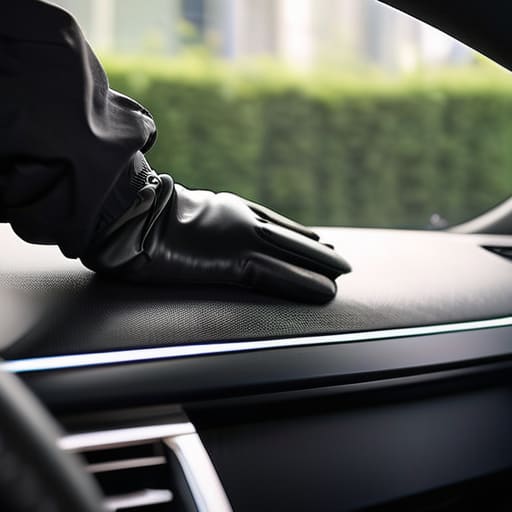
Look, I’ve seen guys try to clean their dash with a greasy rag and some dish soap, and it honestly breaks my heart. You’re basically just moving the dirt around and leaving a film that attracts even more dust. If you want to do this right, you need to invest in decent automotive detailing supplies instead of grabbing whatever is under your kitchen sink. It’s not about buying the most expensive stuff on the shelf, but about getting tools that actually work without damaging the materials.
Start with a solid pack of microfiber cleaning cloths for cars. They’re cheap, and they’re the only way to lift grit without scratching your plastic or leather. If you’ve got a dashboard that’s starting to look faded or chalky, don’t just ignore it; applying some UV protection for car dashboards is a total game-changer for preventing cracks down the road. It’s a small step that saves you a massive headache—and a huge bill—later on. Just grab the right gear, and you’re already halfway to a cabin that feels brand new.
Protecting Your Dashboard With Uv Protection Is Common Sense
Look, I’ve seen way too many people spend a fortune on a car only to watch their dash turn into a cracked, chalky mess within three years. It’s honestly preventable. If you leave your car sitting in a parking lot under direct sunlight, that heat is basically cooking your interior. You need to treat uv protection for car dashboards as a non-negotiable part of your routine, not some optional luxury. It’s the difference between a cabin that feels premium and one that looks like it’s been through a desert sandstorm.
Don’t just grab some cheap, greasy spray from a gas station that makes everything look shiny and fake. That stuff actually attracts dust and can even bake the plastic further. Instead, grab a decent UV protectant that leaves a matte finish. While you’re at it, keep an eye on your upholstery; if you’re already investing in the dash, you might as well look into leather seat conditioning to keep the whole cockpit from drying out. It’s all about staying ahead of the damage before it becomes a permanent headache.
Five things you should actually be doing to keep your cabin from falling apart
- Stop using those cheap, greasy “armor all” type sprays that leave a film; they just attract more dust and make your dash look like a slip-and-slide. Grab a dedicated interior cleaner and a microfiber towel instead.
- Don’t ignore the floor mats. If you’ve got rubber ones, hose them down once a month. If they’re carpet, vacuum them deep enough to actually pull the grit out of the fibers so it doesn’t act like sandpaper on your floorboards.
- Keep a small, dedicated trash bin in the car. It sounds basic, but letting old coffee cups and snack wrappers sit in the door pockets is how you get permanent stains and that “old car” smell that no amount of spray can fix.
- Treat your leather seats like you treat your clothes. If you’ve got leather, use a decent conditioner every few months. If you don’t, they’re going to crack and peel, and replacing a whole seat assembly is way more expensive than a $15 bottle of conditioner.
- Clean your windows from the inside with a dedicated glass cleaner—not your multipurpose stuff. If you leave streaks, it’s usually because you’re using a dirty rag or too much product. Keep it simple: spray the cloth, not the glass, to avoid overspray on your dash.
The bottom line on keeping your cabin clean
Stop buying those overpriced “all-in-one” spray bottles that promise everything but deliver nothing; stick to dedicated cleaners for different surfaces so you don’t end up with a greasy mess.
Consistency beats a deep clean every time—it’s way easier to wipe down a dusty dash once a week than it is to scrub months of grime out of your upholstery.
Don’t neglect the floor mats; they’re the first thing to trap moisture and dirt, and if you let them go, you’re basically inviting a permanent smell into your car.
## It's about more than just looking good
Look, a clean interior isn’t just about showing off to your friends; it’s about making sure your car doesn’t turn into a landfill on wheels. If you treat your cabin like a trash bin, you’re just accelerating the wear and tear on everything from your upholstery to your electronics.
Nikolai·Osterman
Keeping Your Ride Clean Long-Term
Look, keeping your car from looking like a dumpster isn’t rocket science. It really just comes down to what we’ve talked about: getting the right supplies so you aren’t scrubbing your seats with dish soap, and actually taking the time to hit that dashboard with some UV protection before the sun starts cooking your plastic. If you stay on top of the small stuff—like wiping down surfaces after a messy drive or just keeping a microfiber cloth in your glovebox—you’re already ahead of 90% of the drivers on the road. It’s about preventative maintenance, not just waiting until the interior smells like old fast food to finally grab a vacuum.
At the end of the day, your car is more than just a way to get from A to B; it’s a space where you spend a massive chunk of your life. You don’t need to spend a fortune at a high-end detailing shop to feel good when you hop into the driver’s seat. Just grab the right tools, stay consistent, and take pride in what you drive. Whether you’re commuting to work or heading out on a long road trip, having a clean, well-kept cabin makes the whole experience better. You’ve got this, so just get in there and start cleaning.
Frequently Asked Questions
Is it actually worth buying expensive specialized cleaners, or can I just use a basic multi-purpose spray?
Look, I get the temptation to just grab a bottle of All-Purpose Cleaner (APC) and call it a day, but be careful. If you use a heavy-duty degreaser or a cheap multi-purpose spray on your plastics, you’re going to strip the factory finish and leave your dash looking gray and brittle. Save your money on the high-end boutique brands, but don’t cheap out on the chemistry. Grab a dedicated interior cleaner—it’s safer and actually works.
How often do I really need to vacuum the seats to prevent the smell from getting stuck in the fabric?
Look, if you’re eating fast food in your car or letting the dog ride shotgun, you should be vacuuming every two weeks. Dirt and crumbs act like a magnet for moisture and bacteria, and that’s how you end up with that stale, funky smell trapped in the fibers. If you’re just commuting, once a month is fine, but don’t wait until you can actually smell it—by then, the grime is already deep in there.
What’s the best way to get those stubborn coffee or soda stains out of the upholstery without ruining the material?
Look, don’t go dumping harsh chemicals on your seats and hoping for the best; you’ll just end up with permanent discoloration. First, blot—don’t scrub—the spill with a clean microfiber to soak up what you can. For stubborn soda or coffee, use a dedicated upholstery cleaner or a mix of mild soap and warm water. Work from the outside of the stain inward so you don’t spread it, and always test a small, hidden spot first.
