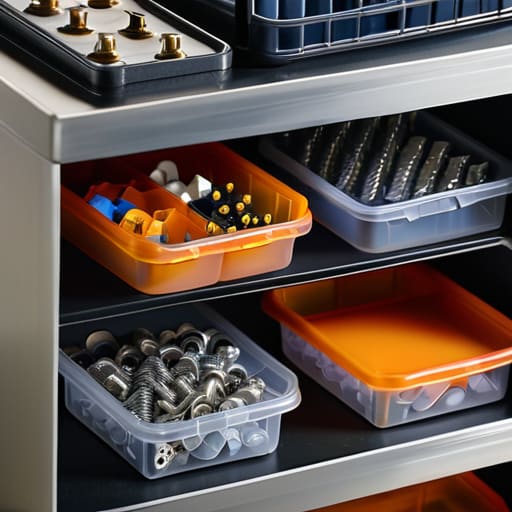
I still remember the look on my dad’s face when I was twelve, staring at a driveway covered in what looked like a metallic graveyard. I’d just tried to swap out a water pump on an old Civic, and within ten minutes, a dozen tiny, specialized bolts had vanished into the gravel. I spent three hours on my hands and knees searching for a single washer, feeling like a total amateur while the sun went down. That was the day I realized that not having a decent small parts organizer isn’t just a minor annoyance—it’s the fastest way to completely kill your momentum and turn a quick fix into a weekend-long nightmare.
Look, I’m not here to sell you some overpriced, professional-grade tool chest that costs more than your first car. I’ve spent enough time under hoods and covered in grease to know what actually works when you’re elbow-deep in an engine bay. I’m going to show you exactly what kind of gear will keep your hardware sorted so you can stop chasing lost bolts and actually finish the job. We’re keeping this simple, practical, and completely hype-free.
Table of Contents
- Ditch the Junk Pile for Reliable Hardware Organization Solutions
- Mastering Modular Component Organizers to Save Your Sanity Under the Hood
- 5 Pro Moves to Keep Your Hardware from Vanishing into Thin Air
- The Bottom Line: Keep Your Parts and Your Sanity
- The Cost of a Lost Bolt
- Wrapping It All Up
- Frequently Asked Questions
Ditch the Junk Pile for Reliable Hardware Organization Solutions
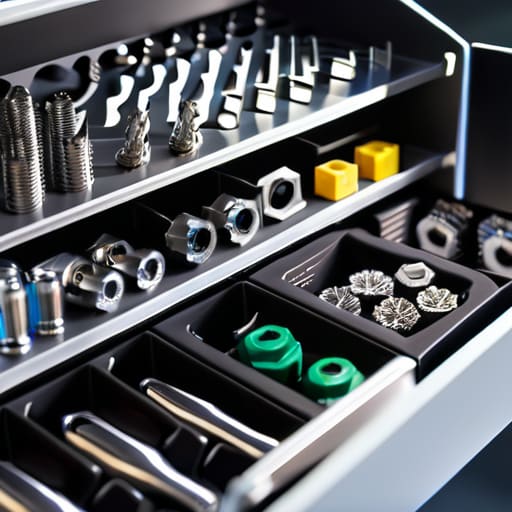
Look, we’ve all been there. You’re halfway through a brake job, you pull a handful of clips and bolts out of a housing, and before you even realize it, they’re scattered across the greasy floor. That’s how you end up spending forty minutes looking for a single 10mm washer instead of actually finishing the job. If you want to stop wasting time, you need to invest in some actual hardware organization solutions rather than just tossing everything into a random plastic tub or, heaven forbid, a cardboard box.
I’ve learned the hard way that a good setup makes the work go twice as fast. I personally swear by using modular component organizers because they let me stack things vertically when space is tight on my workbench. If you’re working on something smaller, like cleaning up a carburetor or messing with interior trim, grab some clear compartment storage bins. Being able to see exactly which screw goes where saves you from that soul-crushing moment when you realize you’ve got one leftover bolt and no idea where it came from.
Mastering Modular Component Organizers to Save Your Sanity Under the Hood
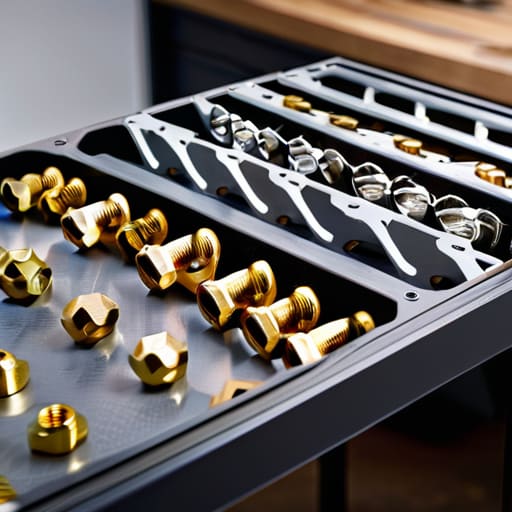
If you’re like me, you’ve probably started a job thinking you’re in control, only to find yourself staring at a pile of mismatched bolts and washers five minutes later. That’s where modular component organizers actually earn their keep. Instead of one massive, deep bin where everything settles into a chaotic mess at the bottom, these systems let you break your hardware down into smaller, manageable sections. I personally swear by using different sized bins for different stages of a teardown. It stops that soul-crushing moment where you realize you’ve mixed up your M6 bolts with your M8s, which is a nightmare when you’re trying to reassemble an engine block.
The real pro move, though, is setting up a dedicated station using drawer divider systems in your tool chest. It keeps your workspace from turning into a disaster zone. When you have a specific spot for every clip, nut, and specialized washer, you aren’t just working faster—you’re working smarter. You won’t be wasting twenty minutes hunting through a junk drawer when you should be focused on the actual repair. Organization isn’t about being neat; it’s about staying focused on the job.
5 Pro Moves to Keep Your Hardware from Vanishing into Thin Air
- Label everything with a Sharpie. I know, it sounds like extra work, but trust me—trying to remember if a specific bolt came from the water pump or the alternator when you’re three hours into a job is a one-way ticket to a headache.
- Use magnetic trays for the “active” parts. If you’re currently mid-repair, don’t just throw bolts on the fender or a greasy rag. Pop them in a magnetic tray so they stay put and don’t roll off the chassis while you’re reaching for a wrench.
- Match your bins to the screw size. Don’t just throw a mix of M6 and M8 bolts into one massive tub. Get those little compartmentalized organizers so you aren’t hunting through a pile of metal just to find one tiny washer.
- Clear plastic is your best friend. If you can’t see what’s inside the container without opening it, you’re wasting time. Stick to transparent bins so you can scan your shelf and grab exactly what you need in seconds.
- Keep a “clean” and “dirty” system. I always keep a set of organizers specifically for new, uninstalled hardware and another for the stuff I’ve pulled off the car. Mixing brand-new bolts with crusty, used ones is a rookie mistake that’ll haunt your reassembly.
The Bottom Line: Keep Your Parts and Your Sanity
Stop treating your workbench like a junk drawer; picking the right organizer means you spend more time turning wrenches and less time hunting for a lost 10mm bolt.
Go modular if you can—being able to move your parts from the engine bay to the bench without dumping everything out is a total game changer for staying focused.
Invest in gear that actually works for your workflow, because nothing kills a project’s momentum faster than realizing you’ve lost a critical sensor screw in a pile of grease and metal shavings.
The Cost of a Lost Bolt
I’ve seen guys spend three hours hunting for a single 10mm bolt that rolled under a tire, when they could’ve spent ten seconds putting it in a tray. A cheap organizer isn’t just about being neat; it’s about not losing your mind—or your profit—to a pile of loose hardware.
Nikolai·Osterman
Wrapping It All Up
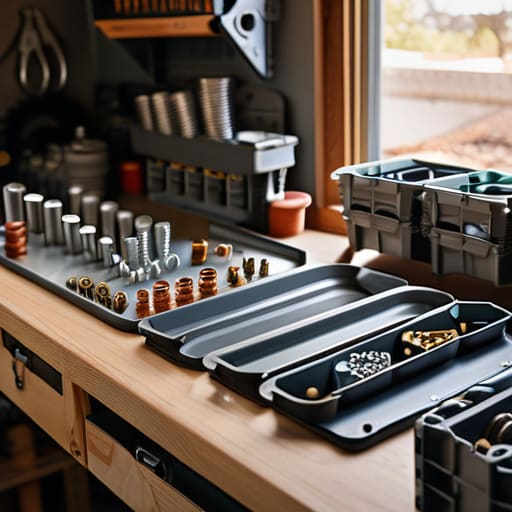
Look, at the end of the day, staying organized isn’t about being some perfectionist with a pristine shop; it’s about not losing your mind when you’re halfway through a brake job. We’ve talked about ditching the junk piles for actual hardware solutions and why modular organizers are a total lifesaver when you’re working on sensor-heavy modern engines. Whether you’re using a heavy-duty bin for bolts or a tiny magnetic tray for those annoying trim clips, the goal is the same: don’t let the little things derail your progress. If you invest a little time into setting up your organization now, you won’t be spending three hours hunting for a single 10mm screw once the sun goes down.
I know it can feel overwhelming when you first pop the hood and see a mess of wires and components, but remember that every pro started exactly where you are. You don’t need a master technician’s salary to start treating your tools and parts with respect. Once you get into the habit of organizing as you go, you’ll find that repairs actually become more about the satisfaction of the build and less about the frustration of the mess. Grab a tray, keep your workspace clean, and just keep turning wrenches. You’ve got this.
Frequently Asked Questions
Are magnetic trays actually better than plastic bins for keeping track of bolts while I'm mid-repair?
Honestly, it depends on what you’re working on, but I’m team magnetic tray all the way. If you’re pulling bolts off an alternator or a water pump, those trays are lifesavers—you can bump the table and nothing moves. Plastic bins are fine for a pile of washers, but for actual hardware mid-repair? Magnetic is the way to go. Just don’t go near one with a sensitive sensor nearby.
How do I stop my organizers from getting filled with random grease and grime so I can actually see what's inside them?
Look, I’ve been there. There’s nothing worse than reaching for a specific M8 bolt only to find a tray full of black sludge. Honestly? The best way to fight the grime is to stop using open-top trays for everything. Switch to those clear, gasket-sealed bins for your “clean” parts. If you’re mid-job, keep a dedicated spray bottle of degreaser and some shop towels right next to your organizer. Wipe the tray down before you drop the parts in.
Is it worth investing in a heavy-duty organizer, or can I just use old egg cartons and Tupperware to get the job done?
Look, if you’re just swapping out a spark plug, an egg carton works fine. But if you’re tearing down a fuel rail or a timing cover, don’t do that to yourself. Tupperware gets greasy, lids go missing, and one wrong move and your bolts are rolling into the drain. If you’re serious about not losing your mind—or your hardware—invest in a real organizer. It’s not about being fancy; it’s about not spending three hours hunting for a single 10mm bolt.
