I remember sitting in my dad’s garage when I was ten, listening to that high-pitched, metal-on-metal screech every time he tapped the pedal on his old sedan. He’d just sigh, grab his wrench, and tell me that most shops would try to sell you a whole new rotor assembly when all you really needed was a simple brake inspection and some fresh pads. It drives me crazy how some mechanics treat a basic check like it’s some kind of complex, high-tech mystery just to pad their service invoices. Most of the time, your car is trying to tell you exactly what’s wrong; you just have to know how to listen.
I’m not here to give you some textbook lecture or a list of parts you don’t actually need. My goal is to show you how to grab a flashlight, get under there, and do a real brake inspection yourself so you know exactly what’s happening behind those wheels. I’ll walk you through the actual signs of wear and the specific things I look for when I’m on the clock at the shop. No fluff, no gatekeeping—just the honest truth about keeping your stopping power solid without getting ripped off.
Table of Contents
Listen Close to Those Annoying Brake Squealing Sounds
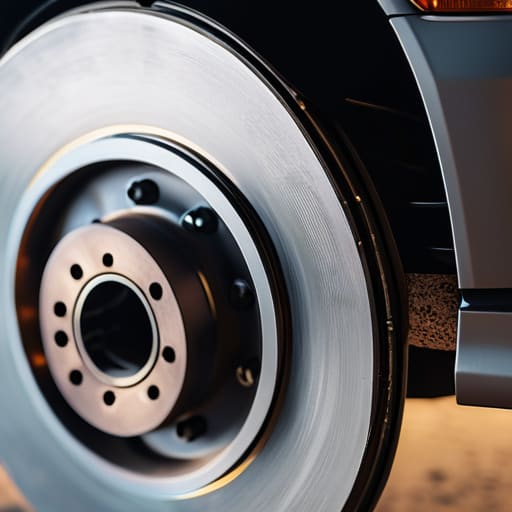
If you start hearing a high-pitched screech every time you hit the pedal, don’t just turn up the radio and hope it goes away. Most of the time, those brake squealing sounds are actually a built-in warning system. Many pads have a tiny metal tab called a wear indicator designed to scrape against the rotor once the material gets too thin. It’s annoying as hell, but it’s basically your car screaming at you that it’s time for a change before you end up with metal-on-metal grinding that ruins your rotors.
Beyond the noise, pay attention to how the car actually reacts when you slow down. If you notice a weird vibration or a spongy brake pedal feel, that’s a massive red flag. It could be anything from air in the lines to warped rotors. I always tell people that if the car feels “off” during a stop, your stopping distance safety is officially compromised. Don’t wait until you’re at a red light and the pedal goes straight to the floor to realize something is wrong.
Watch for the Real Signs of Worn Brake Pads

Beyond just the noise, you need to pay attention to how the car actually behaves when you’re hitting the pedal. One of the biggest red flags is a change in your brake pedal feel. If it suddenly feels spongy, or if it sinks way too close to the floor before the car actually slows down, that’s not just “old car character”—that’s a warning. You might also notice a slight vibration or pulsing through the pedal when you’re slowing down from highway speeds. That usually means your rotors are getting warped, which is a sign that your pads have been overheating or are just worn down too thin.
Another thing to keep an eye on is your stopping distance safety. If you find yourself having to press harder or earlier just to get the car to come to a halt, don’t just ignore it. It’s easy to think you’re just driving more aggressively, but your car is literally telling you it’s struggling to do its job. If you notice you’re traveling a few extra feet before the weight shifts forward, it’s time to pull the wheels off and do a proper brake component inspection to see exactly how much meat is left on those pads.
5 Ways to Check Your Brakes Without Getting Ripped Off
- Grab a flashlight and look through your wheel spokes. You don’t need to take the whole wheel off just to see if your pads are getting dangerously thin; a quick visual check can save you a massive headache later.
- Get your hands a little dirty and feel the brake rotors for any deep grooves or “lip” around the edge. If the surface feels like a record player with scratches, your rotors are likely warped or too worn to keep things smooth.
- Pay attention to how the pedal feels under your foot. If it feels spongy or you have to floor it just to get the car to slow down, you probably have air in the lines or a failing master cylinder, and that’s not something to ignore.
- Check your brake fluid level in the reservoir, but don’t just look at the lines. If the fluid looks dark or murky like old coffee, it’s time for a flush because moisture in that fluid will eat your system from the inside out.
- Do a quick shake test when the car is on a jack. If you wiggle the wheel and feel any play or clicking, your calipers might be loose or your brake components are shot, which is a huge red flag for your safety.
The Bottom Line on Your Brakes
If you’re hearing high-pitched squealing or feeling a weird vibration in the pedal, don’t ignore it—that’s your car telling you something is actually wrong.
Grab a flashlight and visually check your pad thickness; if they look paper-thin, it’s time to swap them before you end up ruining your rotors too.
You don’t need to be a master tech to spot the basics, but you do need to be proactive so you don’t get hit with a massive repair bill later.
Stop Guessing, Start Looking
A mechanic might tell you that you need a whole new rotor assembly just to get you out the door, but if you actually take five minutes to look at the pad thickness yourself, you might realize you just need a simple pad swap. Don’t let anyone charge you for a problem that’s staring you right in the face.
Nikolai·Osterman
Don't Leave Your Safety to Chance
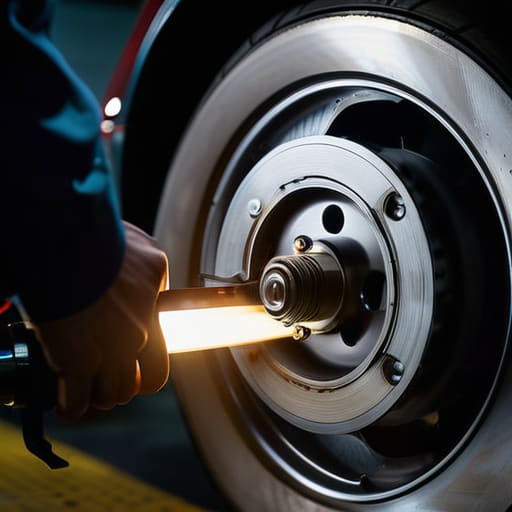
At the end of the day, checking your brakes isn’t some complex science project; it’s just about paying attention to what your car is trying to tell you. Whether you’re listening for that high-pitched squeal that means the wear indicators are doing their job, or you’re actually getting down on the ground to check the thickness of your pads with a flashlight, you’re taking control. Don’t ignore the vibrations in the pedal or that weird pulling sensation when you hit the brakes. If you catch these things early, you’re looking at a simple pad swap instead of a massive, expensive bill for new rotors or calipers that could have been avoided.
Look, I know it can feel intimidating to poke around under your car, especially when you’re worried about messing something up. But honestly, most people get overcharged because they’re too afraid to ask questions or look for themselves. Once you realize that maintenance is just patience and the right set of tools, you’ll stop feeling like a victim of the repair shop. Keep that magnetic tray handy, stay observant, and don’t let anyone tell you that you aren’t capable of understanding your own machine. You’ve got this.
Frequently Asked Questions
How do I know if it's just the pads wearing down or if my rotors are actually warped?
Here’s the easiest way to tell: feel the steering wheel or the brake pedal. If you hit the brakes and the whole car starts shaking or the steering wheel vibrates in your hands, that’s almost always warped rotors. If it’s just a high-pitched squeal or a grinding noise but the car feels smooth, you’re likely just down to the wear indicators on your pads. Don’t let a shop charge you for rotors if it’s just pads.
Is it worth trying to change the brake fluid myself, or is that something I should leave to a shop?
Honestly? It’s worth doing yourself, but don’t go in blind. Changing fluid is mostly about patience and not letting air bubbles into the lines—that’s where people mess up. If you’ve got a friend to help you pump the pedal or a decent vacuum bleeder, you’re golden. It’s way cheaper than a shop markup, and it’s a solid way to make sure your system stays clean. Just grab a manual and take your time.
Can I still drive the car if I hear a grinding noise, or am I asking for a total breakdown?
Look, I’m gonna be straight with you: if you’re hearing grinding, you’re already past the “warning” stage. That’s metal-on-metal contact. You aren’t just wearing down your pads anymore; you’re actively eating into your rotors. You might make it to the shop, but you’re risking a total brake failure or a much more expensive bill for new rotors. Stop driving it and get those pads swapped before you lose stopping power entirely.
