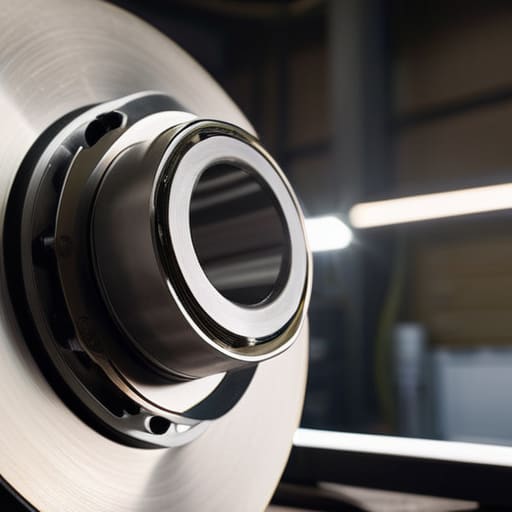
I was working a shift at the shop last Tuesday when a guy came in, looking totally defeated because a mechanic told him he needed a full set of brand-new rotors just because he felt a slight shimmy in the pedal. It’s the same old story: shops trying to upsell you on parts you don’t actually need. Honestly, it drives me crazy. Most of the time, you aren’t looking at a total failure; you’re just dealing with uneven wear that can be fixed with simple brake rotor resurfacing. You don’t need to drop hundreds of dollars on shiny new metal when the core of your current setup is still perfectly solid.
I’m not here to give you some textbook lecture or sell you on fancy equipment you’ll never use. My goal is to give you the real-world truth about when you can actually save your old rotors and when you really do need to replace them. I’ll walk you through the process, the tools you actually need, and how to tell if your job is worth the effort. Let’s get into it so you can stop overpaying and start doing it right.
Table of Contents
Identifying Warped Brake Rotor Signs Before They Cost You

You don’t always need a diagnostic scanner to know something is off; usually, your car will tell you through your hands and feet. The most obvious brake pulsation symptoms show up as a rhythmic shimmy or vibration in the steering wheel when you’re slowing down from highway speeds. If you feel a pulsing sensation through the brake pedal itself, that’s a dead giveaway that your rotors aren’t hitting the pads evenly anymore.
Another thing to watch for is that annoying squealing or grinding noise that persists even after you’ve swapped out your pads. Sometimes, what feels like a simple pad issue is actually the rotor surface being uneven, which can lead to uneven wear patterns. I always tell people to pay attention to how the car “feels” during deceleration. If it feels inconsistent or shaky, you’re likely looking at warped brake rotor signs that need immediate attention. Catching these small tells early is the difference between a quick shop visit and having to replace your entire braking assembly because you ignored the warning signs.
Brake Pulsation Symptoms You Shouldnt Ignore
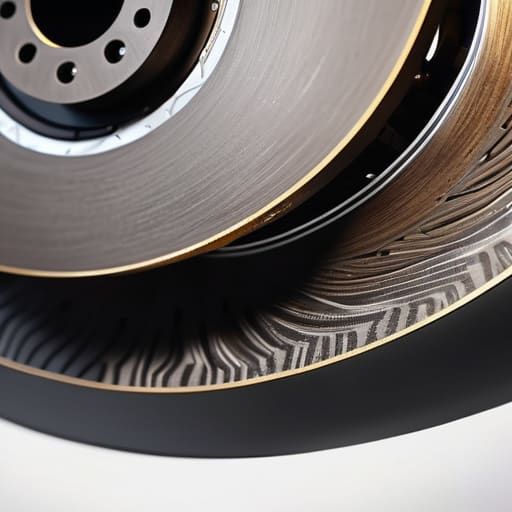
If you feel a rhythmic thumping or a shuddering sensation through the brake pedal when slowing down, those are classic brake pulsation symptoms that you can’t just ignore. It’s not just an annoying vibration; it’s your car telling you that the contact surface between your pads and the rotor isn’t flat anymore. Sometimes it feels like you’re driving over tiny speed bumps every time you hit the pedal. If that sensation is accompanied by a high-pitched squeal or a heavy feeling in the pedal, you’re likely dealing with uneven wear or heat spots that have physically altered the metal.
You also need to keep an eye on how your steering wheel reacts. If the wheel starts shaking violently in your hands specifically when you apply pressure to the brakes, the issue is likely centered on the front rotors. I’ve seen plenty of people try to power through this, but ignoring it usually leads to more expensive headaches down the road. Before you jump straight into a full brake pad replacement vs resurfacing debate, pay attention to whether the vibration is constant or only happens under heavy braking. That distinction tells you exactly how much life is actually left in your setup.
Pro Tips for Resurfacing Without Making a Mess of Things
- Check your minimum thickness before you even start. If those rotors are already too thin, resurfacing them is just a fast track to a brake failure, and no amount of patience will fix that.
- Don’t skip the cleaning step. After you’re done machining, those rotors are going to be covered in fine metal dust and oils; hit them down with some brake cleaner so they don’t mess up your new pads.
- Get a decent lathe or a specialized resurfacing tool. You can try to DIY it with some sandpaper and a drill, but if you want a smooth, even surface that doesn’t vibrate, you need something that actually cuts consistent grooves.
- Always bed in your new pads. Once you’ve got those fresh, flat rotors installed, don’t just go out and slam on the brakes. Do a few controlled stops to let the pad material transfer properly to the rotor surface.
- Keep an eye on your calipers while you’re at it. There’s no point in getting a perfect rotor surface if your caliper piston is sticking and causing uneven wear from the jump.
The Bottom Line on Your Rotors
Don’t rush to the parts store just because you feel a shake; if your rotors aren’t cracked or too thin, resurfacing is a much cheaper way to get that smooth braking feeling back.
Pay attention to your steering wheel and brake pedal—if they’re pulsing or vibrating, your rotors are likely warped and need immediate attention before they mess up your pads too.
You don’t need a massive shop setup to handle this, just the right tools and a bit of patience to ensure the surface is even and safe for your next drive.
## The Real Truth About Your Rotors
“Look, most shops will try to sell you a whole new set of rotors the second they feel a vibration, but if the thickness is still good, don’t let them rip you off. Resurfacing them is usually all you need to get that smooth braking feeling back without draining your bank account.”
Nikolai·Osterman
The Bottom Line on Your Brakes
Look, at the end of the day, resurfacing your rotors is all about recognizing those early warning signs—the steering wheel shake, the pedal pulsation, or that annoying vibration—before they turn into a full-blown emergency. You don’t always have to go out and drop hundreds of bucks on a brand-new set of rotors just because they aren’t perfectly flat anymore. If the thickness is still within the manufacturer’s specs, resurfacing is a massive money-saver that gets your braking performance back to where it needs to be. Just make sure you’re measuring that minimum thickness carefully; you don’t want to shave off too much and end up with thin, unreliable metal.
I know it can feel intimidating when you’re staring at your brake assembly and wondering if you’re about to mess something up, but I promise you, it’s manageable. Most of the time, it’s just about having the right tools and a little bit of patience. Don’t let a shop talk you into an expensive replacement just because they can. Take it one bolt at a time, keep your workspace clean, and trust your gut. Once you get that first smooth stop after doing the work yourself, you’ll realize that you’re more than capable of handling what’s under your hood.
Frequently Asked Questions
How do I know if my rotors are too thin to be resurfaced safely?
Look, you can’t just eyeball this. You need a micrometer to check the actual thickness against the “discard” spec listed in your service manual. Every rotor has a minimum thickness limit—once you hit that, resurfacing is a no-go because the heat will warp them instantly or, worse, they’ll crack under pressure. If you’re too close to that limit, don’t risk it. Just grab a new set. It’s not worth a brake failure.
Is it actually better to just buy new rotors instead of paying to have these machined?
Look, I get why you’re asking. It seems easier to just grab a fresh set online. But here’s the truth: if your rotors still have plenty of thickness left, machining them is way cheaper and keeps your original parts in the game. If they’re thin or have deep grooves, don’t bother—just swap them. But if they’re solid, resurfacing saves you a ton of cash and keeps your braking smooth.
Can I resurface my rotors at home with a hand tool, or do I really need a lathe?
Look, I’ll be straight with you: forget the idea of using a hand tool to resurface them. You might be able to sand down some light surface rust, but that isn’t “resurfacing.” To actually get a flat, true surface, you need a lathe. Trying to DIY it with hand tools is just asking for uneven braking and a massive headache. If you don’t have a lathe, take them to a local shop to get them turned.
