
I still remember the first time I tried to change the oil on my dad’s old sedan without a proper setup. I thought I could just freehand it, pouring from the bottle like some kind of pro, only to end up with a massive, greasy puddle coating the entire engine block and my own knuckles. It took me an hour just to clean up the mess, and I felt like a total amateur. That’s when I realized that skipping a basic funnel kit isn’t just lazy—it’s a fast track to a massive headache and a filthy workspace that’ll take forever to degrease.
Look, I’m not here to sell you some overpriced, professional-grade laboratory equipment that you’ll never use. I just want to make sure you don’t waste your Saturday scrubbing oil off your manifold because you tried to save five bucks. I’m going to break down exactly what you need in a decent kit so you can get the job done clean and fast. No fluff, no shop jargon, just the straight truth on how to keep your engine bay looking as sharp as the day it left the factory.
Table of Contents
- Mastering Automotive Fluid Transfer Tools Without the Headache
- The Real Secret to Mess Free Oil Change Kits
- 5 Ways to Stop Spilling Everything Everywhere
- The Bottom Line on Using a Funnel Kit
- ## Don't Let a Cheap Funnel Ruin Your Job
- Don't Let a Little Spillage Hold You Back
- Frequently Asked Questions
Mastering Automotive Fluid Transfer Tools Without the Headache

Look, I’ve seen way too many guys try to wing it by just tilting a heavy oil jug over the filler neck and praying for the best. That’s how you end up with a greasy mess all over your intake manifold, which is a nightmare to clean later. If you actually want to get serious about your DIY maintenance, you need to invest in some decent automotive fluid transfer tools. It’s not about being fancy; it’s about not wasting your time scrubbing oil off your engine block because you were too cheap to use a proper spout.
I usually tell my buddies that a solid mess-free oil change kit is basically insurance for your patience. When you’re working in a cramped garage or under low light, having a specialized tool that actually fits the opening makes a massive difference. You want something that locks into place or has a wide enough mouth so you aren’t constantly stopping to wipe up spills. Honestly, once you get used to using the right gear for automotive fluid dispensing, you’ll realize how much of a headache you were causing yourself by doing it the hard way.
The Real Secret to Mess Free Oil Change Kits
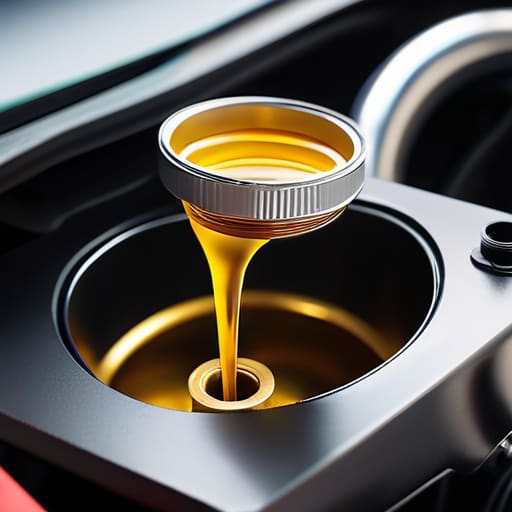
Look, I’ve seen way too many guys spend their Saturday afternoon scrubbing burnt oil off a manifold because they tried to “wing it” with a cheap plastic cone that doesn’t fit right. If you want to do this properly, you need to stop treating your oil change like a chore and start treating it like a process. A decent mess-free oil change kit isn’t just about convenience; it’s about precision. When you’re dealing with modern engines, those sensor wires and tight clearances don’t forgive a spill.
The real secret isn’t just having a tool, it’s about having the right setup for the specific job. I always tell my buddies that investing in high-quality automotive fluid transfer tools—specifically ones with flexible necks or specialized adapters—is what separates a professional job from a driveway disaster. You want something that seats firmly against the filler neck so you aren’t playing a guessing game every time you tilt the bottle. It saves you from the headache of oil drain prevention mishaps and keeps your engine bay looking clean, which honestly, just makes the whole job a lot more satisfying.
5 Ways to Stop Spilling Everything Everywhere
- Get yourself a flexible neck funnel. Rigid plastic ones are a pain when you’re trying to reach into tight engine bays, and if you can’t angle it right, you’re just asking for a mess.
- Always check your seals. Before you pour a single drop of oil or coolant, make sure the funnel sits flush against the filler neck. If there’s a gap, that fluid is going straight onto your engine block instead of inside.
- Don’t go cheap on the material. I’ve seen guys use those super thin, flimsy funnels that collapse halfway through a pour. Grab something sturdy or silicone so it actually holds its shape while you’re working.
- Keep a clean rag or some shop towels within arm’s reach. Even with a good kit, a little drip is bound to happen. It’s way easier to wipe a tiny spill now than to try and degrease a massive oil stain later.
- Clean your funnels immediately after use. If you leave old oil or coolant sitting in there, it’s going to turn into a gummy mess that’s a nightmare to clear out next time you actually need it.
The Bottom Line on Using a Funnel Kit
Stop winging it with cardboard or old plastic bottles; a dedicated funnel kit is cheap insurance against a greasy, disgusting engine bay.
Don’t just buy the cheapest thing you find—make sure the kit has different nozzle sizes so you aren’t struggling to fit a massive tube into a tight sensor-heavy engine.
Keep your kit clean and stored properly, because nothing ruins a quick oil change like pouring old, gritty residue into your fresh, clean oil.
## Don't Let a Cheap Funnel Ruin Your Job
“Look, I’ve seen way too many people spend an hour cleaning up spilled oil from their engine block just because they tried to save five bucks on a piece of plastic. Get a decent funnel kit—it’s not about being fancy, it’s about not making a mess of a job that should’ve been simple.”
Nikolai·Osterman
Don't Let a Little Spillage Hold You Back
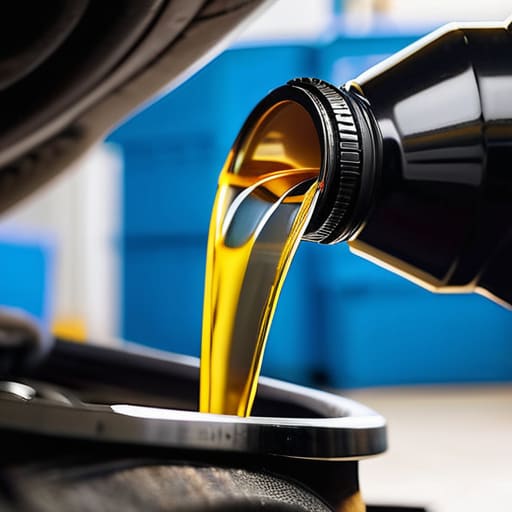
At the end of the day, a good funnel kit isn’t some luxury item you need to hunt down; it’s a basic piece of gear that saves you from a massive headache. We’ve talked about why you need the right fit for different reservoirs and how having a dedicated kit prevents that nasty, oily sludge from coating your engine block. Whether you’re dealing with a tight oil fill neck or trying to top off your coolant without turning your driveway into a slip-and-slide, having the right tool for the job makes the whole process ten times faster. Don’t be the person spending twenty minutes scrubbing grease off a manifold just because you tried to save five bucks on a cheap plastic spout. Invest in a kit that actually fits your workflow, and you’ll stop fighting your car and start actually working on it.
Look, I know it can feel intimidating when you first pop the hood and realize you’re staring at a maze of hoses and sensors. But honestly? Most of the “complex” stuff is just about being prepared. Once you get these small, practical wins under your belt—like a clean oil change or a mess-free fluid top-off—you’ll start to realize that you’re more capable than you think. Don’t let the big shops intimidate you into thinking you need a professional certification just to keep your ride healthy. Grab your tools, keep your workspace clean, and just take it one step at a time. You’ve got this.
Frequently Asked Questions
Do I really need a specific kit, or can I just use an old plastic funnel I found in the garage?
Look, you can use that crusty old plastic funnel, but it’s a gamble. If it’s cracked or has gunk stuck in the neck, you’re just inviting a mess or, worse, contamination into your engine. I’ve seen guys lose half a quart of oil on their driveway because a cheap funnel didn’t seat right. If you’re just doing a quick oil top-off, the old one is fine. But for a full change? Get a kit. It’s worth the few bucks to avoid the headache.
Will a standard funnel kit work for my car if it has a tight engine bay or a weirdly placed filler neck?
Look, if you’ve got a tight engine bay or a filler neck that’s tucked way back near the firewall, a standard stiff plastic funnel is going to be a total nightmare. You’ll spend half your time fighting it just to get it in position. For those weird setups, grab a flexible silicone funnel or one with a long, gooseneck spout. It’ll bend around whatever’s in your way so you aren’t spilling oil everywhere.
Is it worth spending extra money on a kit with different adapters, or is one size fits most actually okay?
Look, if you’re just doing standard oil changes on a daily driver, a basic, one-size-fits-most funnel is fine. But if you’re getting into more specific stuff—like transmission fluids or coolant—you’re gonna run into tight spots where a standard wide-mouth funnel just won’t fit. If you have the extra cash, grab the kit with the adapters. It saves you from the headache of trying to “improvise” with a cardboard tube when you’re mid-repair.
