I remember sitting in my dad’s driveway when I was twelve, watching a tow truck driver charge my neighbor a small fortune just to pull a car out of a ditch. The guy was acting like he was performing open-heart surgery, but honestly? He was just hooking up a strap and driving. It pissed me off then, and it still does now. Most people think towing a vehicle is this high-stakes, expensive ordeal that requires a specialized heavy-duty rig and a massive bank account, but that’s mostly just marketing nonsense designed to keep you dependent on pros.
I’m not here to give you some textbook lecture or a list of things you’ll only need if you’re driving a semi-truck. I’m going to show you how to handle the real-world stuff—the kind of gear and techniques that actually work when you’re stuck on the shoulder of a highway. My goal is to give you the straight truth on how to get your rig moved safely without getting ripped off. We’re going to focus on the right tools and the right physics, so you can stop stressing and start taking control of your own repairs.
Table of Contents
Mastering Your Tow Vehicle Weight Ratio Without a Mechanic

Here’s the thing: most people jump straight into buying a trailer without actually looking at what’s under their own hood. You can’t just hook anything to anything and hope for the best. You need to understand your tow vehicle weight ratio before you even think about hitting the highway. If your truck is too light compared to what you’re pulling, the back end is going to feel floaty, and that’s when things get sketchy. I’ve seen guys try to haul a heavy utility trailer with a small crossover, and let me tell you, it’s a recipe for a disaster.
You also need to keep an eye on your braking distance when towing. Physics doesn’t care about your feelings; once you add a few thousand pounds behind you, it’s going to take a lot more road to bring that whole setup to a halt. Don’t just trust the factory manual blindly either—actually check your hitch rating and make sure your setup is solid. It’s about making sure your rig has enough muscle to control the weight, not just move it.
The No Nonsense Tow Ball Size Guide You Actually Need
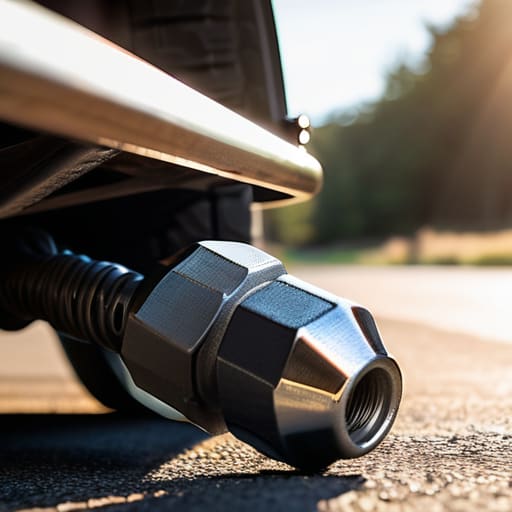
Look, I’ve seen way too many guys try to hook up a heavy utility trailer to a tiny little ball because they “thought it looked close enough.” That’s how you end up with a bent hitch or, worse, a trailer that decides it wants to go its own way on the highway. You need to stop guessing. A proper tow ball size guide isn’t just about the diameter; it’s about matching the rating of the ball to the capacity of your receiver. If you’re pulling something substantial, even a fraction of an inch of mismatch can cause a catastrophic failure.
Before you even think about hitting the road, double-check the markings stamped on the neck of the ball. Most standard setups use a 2-inch or 2 5/16-inch ball, but you need to ensure the weight rating matches your trailer’s tongue weight. If you’re messing with a new towing hitch installation, don’t just assume the parts in the box are a perfect match for your rig. Take five minutes to verify the specs. It’s a small step, but it’s the difference between a smooth haul and a massive headache.
Five Real-World Rules for Towing Without Losing Your Mind
- Check your brake pads before you even hook up. Towing adds massive stress to your stopping distance, and if your pads are already thin, you’re basically driving a rolling hazard.
- Don’t trust your eyes for strap tension. If you’re using ratchet straps, give them a solid tug after the first few miles of driving. They tend to settle and loosen up once you actually hit the road.
- Keep your eyes on the mirrors, not the rearview. You need to see how that trailer is swaying or if it’s cutting corners too sharp in real-time. If you aren’t checking those mirrors every couple of minutes, you aren’t paying attention.
- Watch your temperature gauge like a hawk. Towing puts a heavy load on your engine and transmission, and if you see that needle creeping up, pull over immediately. Don’t try to “power through” it; that’s how you blow a head gasket.
- Master the “Slow and Steady” approach to backing up. Don’t try to whip the steering wheel around trying to be a pro. Small, incremental movements are the only way to avoid jackknifing or hitting something you shouldn’t.
The Bottom Line Before You Hook Up
Don’t guess on weight; check your owner’s manual or the sticker inside your driver-side door to make sure your tow vehicle can actually handle the load without blowing a transmission.
Get your ball size right the first time so you aren’t stuck on the side of the road halfway through a trip because your hitch and ball don’t match up.
Stop overthinking the fancy gear and just focus on the basics—if your weight ratio is solid and your hardware fits, you’re already ahead of most people.
The Reality of the Road
Look, towing isn’t about how much horsepower you’ve got under the hood; it’s about respect. If you don’t respect the weight you’re pulling and the physics behind it, the road is going to teach you a lesson you won’t forget.
Nikolai·Osterman
Getting It Done Right
Look, towing isn’t some mysterious science that only guys in expensive shop uniforms get to master. We’ve covered the heavy lifting here: you need to respect your weight ratios so you aren’t straining your engine to death, and you absolutely cannot afford to guess on your tow ball size. If you get the math wrong or use the wrong hardware, you’re not just looking at a broken hitch—you’re looking at a total disaster on the highway. Just remember to double-check your connections, keep an eye on your mirrors, and make sure everything is tight and secure before you even think about shifting into gear.
At the end of the day, I don’t want you feeling intimidated by the gear or the technical specs. Most people get ripped off or end up stuck on the shoulder because they were too nervous to just do the work themselves. Once you get these basics down, you’ll realize that you have way more control over your rig than the big shops want you to believe. Grab your tools, trust your prep work, and go get that trailer moving. You’ve got this, and honestly, nothing beats the feeling of knowing you handled the job yourself without paying a dime in unnecessary shop fees.
Frequently Asked Questions
How do I know if my car's transmission is actually going to handle the extra load without burning up?
Honestly, the best way to tell is by watching your temp gauge and your transmission fluid. If you’re pulling a load and that needle starts creeping into the red, or if the fluid smells burnt like a bad BBQ, you’re pushing it too hard. If you’re constantly shifting or feeling slips, your trans is struggling. My advice? Install an external transmission cooler. It’s a cheap way to keep things from melting when you’re hauling.
What’s the deal with brake controllers—do I really need one, or is my stock braking enough?
Look, if you’re just pulling a light utility trailer, your stock brakes are fine. But if you’re hauling a heavy camper or a boat, you absolutely need a brake controller. Without one, your truck is doing all the heavy lifting, which means longer stopping distances and a massive risk of jackknifing. It’s not about being extra; it’s about making sure you actually stop when things get sketchy on the highway.
How can I tell if my hitch setup is actually secure and not just something I bolted on for show?
Look, if you’re worried it’s just for show, you’re already halfway to a disaster. First, grab a flashlight and check the mounting bolts. If you see any rust weeping from the bolt heads or the frame looks bent, stop immediately. Give the hitch a solid shake—it shouldn’t budge or make a clunking sound. Most importantly, check your receiver for any cracks in the welds. If it looks sketchy, don’t risk it.
