I was driving home from a late shift last Tuesday, squinting through a sudden downpour, when I hit a patch of road grime that turned my windshield into a muddy mess. I flicked the wipers on, expecting a clean sweep, but all I got was a streaky, blurry nightmare that nearly had me hitting the guardrail. That’s the moment you realize you’ve been neglecting a basic wiper fluid refill, and honestly, it’s one of those small things that makes driving feel way more stressful than it needs to be.
Look, you don’t need to pull into a shop and pay someone fifty bucks just to top off a reservoir. I’m going to show you exactly how to handle a wiper fluid refill yourself in about two minutes flat, without any of the dealership fluff. I’ll walk you through what to look for under the hood, which fluids actually work, and how to avoid making a mess of your engine bay. This is about keeping things simple and making sure you aren’t caught off guard the next time the weather turns sour.
Table of Contents
Guide Overview
Tools & Supplies
- None required
- Windshield washer fluid (1 gallon or 1 bottle)
- Funnel (optional, to prevent spills)
Step-by-Step Instructions
- 1. First, pop the hood. You don’t need a special key or anything fancy; just find the lever inside your car—usually near the driver’s footwell—and pull it. Once you hear the latch click, walk up to the front of the car and slide the hood up and secure it with the prop rod.
- 2. Now, look around the engine bay for a cap. You aren’t looking for the oil cap or the coolant reservoir; you want the one with a little icon that looks like a windshield and a spray of water. It’s usually bright blue or yellow, making it pretty hard to miss.
- 3. Grab your wiper fluid. If you’re buying the stuff from the store, just make sure it’s the right type for your climate. If you live somewhere where it gets freezing, don’t use the cheap summer stuff or you’ll end up with a cracked reservoir once the temperature drops.
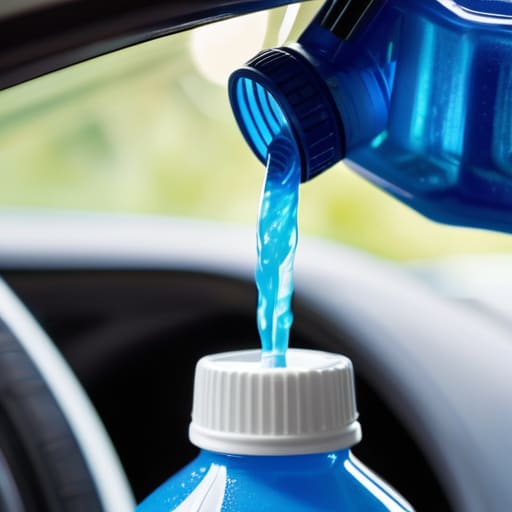
- 4. Open the cap and start pouring. I usually hold the bottle right against the neck of the reservoir to avoid any messy spills all over the engine components. Just keep an eye on the level so you don’t overflow it and create a puddle on your driveway.
- 5. Once the fluid reaches the “full” line or the neck of the reservoir, stop pouring. Take a second to check that you didn’t spill too much on the surrounding hoses or belts. If you did, just wipe it off with a rag so it doesn’t cause any weird smells once the engine gets hot.
- 6. Screw the cap back on tight. You want to make sure it’s securely seated so you don’t lose fluid through evaporation or leaks while you’re driving. Give it a quick twist until it stops.
- 7. Finally, close the hood and head back inside. To make sure everything is working right, turn on your wipers for a quick second. If you see a nice, clear spray hitting the glass, you’re good to go and you just saved yourself a trip to the shop.
How to Check Washer Fluid Reservoir Without the Stress
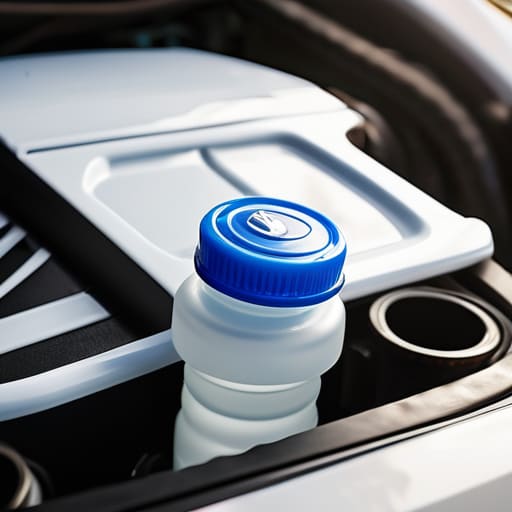
Look, you don’t need to pull the whole bumper off just to see if you’re running low. Most of the time, the easiest way to handle how to check washer fluid reservoir levels is to just pop the hood and look for a translucent plastic tank. Usually, there’s a bright blue cap with a little windshield icon on it. If you can’t see the fluid line through the plastic, it’s probably time to top it off. If your reservoir is tucked away behind a wheel well or under a shroud, don’t panic—just grab a flashlight and look for any signs of wetness or residue around the hoses.
While you’re under there, keep an eye out for more than just the liquid level. If you notice the fluid is low but nothing’s coming out of the sprayers, you might actually need some windshield wiper spray nozzle cleaning to clear out any grit or calcium buildup. Also, if you hear a grinding noise when you pull the lever, you might be looking at replacing a faulty washer pump rather than just a simple refill. It sounds intimidating, but once you know what to look for, it’s just another part of basic windshield cleaning maintenance tips that keeps you from getting stuck with a dirty view.
Choosing Between Winter Windshield Washer Fluid Types
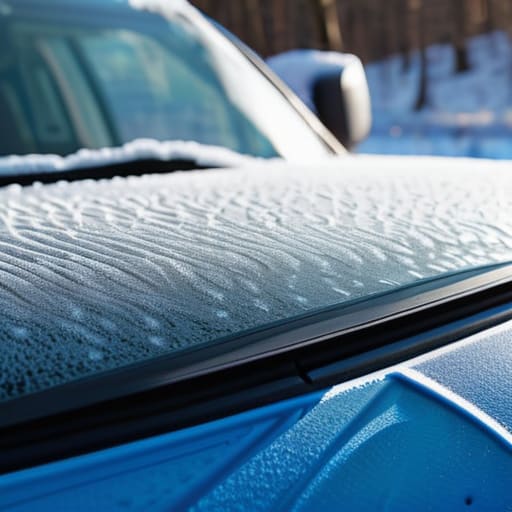
Don’t just grab the first cheap jug you see at the gas station and call it a day. If you’re living somewhere where the temperature actually drops, you really need to pay attention to the different winter windshield washer fluid types. Standard summer fluid is mostly just water and soap; it’ll freeze solid in your lines the second a frost hits, which can actually crack your reservoir or burn out your pump. I always tell people to check the bottle for the temperature rating—you want something that stays liquid even when it’s sub-zero outside.
If you’re in a milder climate, you can get away with the basic stuff, but I’ve seen plenty of guys deal with a clogged system because they used low-quality mix. Sometimes, adding a few automotive washer fluid additives can help prevent buildup and keep things flowing smoothly. If you notice your spray is coming out in a pathetic little trickle, it might be time for some windshield wiper spray nozzle cleaning to clear out the grit, rather than just dumping more fluid in and hoping for the best.
Pro Tips to Save Your Time (and Your Hood)
- Don’t just eyeball it. If you can’t see the fluid level through the translucent plastic of the reservoir, just top it off anyway. It’s better to have a little extra than to realize you’re bone dry when you’re driving through a massive bug swarm at sunset.
- Grab a funnel. I know, it’s one more thing to find in your garage, but trying to pour a jug of fluid directly into that tiny opening is a recipe for a sticky, blue-stained mess all over your engine bay.
- Watch the weather. If you’re heading into a freeze, stop using the cheap stuff from the gas station. Get the dedicated winter mix so it doesn’t turn into a block of ice inside your lines and crack the reservoir.
- Check your blades while you’re at it. If you’re already messing with the fluid, take a second to look at your wiper blades. If they’re streaking or making that annoying squeaking sound, they’re shot, and no amount of fresh fluid is going to fix that.
- Keep a spare jug in the trunk. It sounds like extra weight, but trust me, being stuck on the side of the road with a windshield covered in grime because you ran out of fluid is a massive headache you don’t need.
The Bottom Line on Keeping Your View Clear
Stop waiting for the squeak—check your fluid levels once a month so you’re never caught staring through a muddy windshield.
Don’t just grab the cheapest jug on the shelf; make sure you’re using the right stuff for the season so it doesn’t freeze and crack your reservoir.
You don’t need a shop visit for this. It’s a two-minute job that saves you a massive headache and a ridiculous mechanic’s markup.
## The Bare Minimum
“Look, I’m not talking about rebuilding a transmission here, but running on empty when a sudden downpour hits is a rookie mistake you can’t afford. Refilling your washer fluid isn’t ‘car maintenance’—it’s just common sense to keep yourself from driving blind.”
Nikolai·Osterman
Don't Overthink It
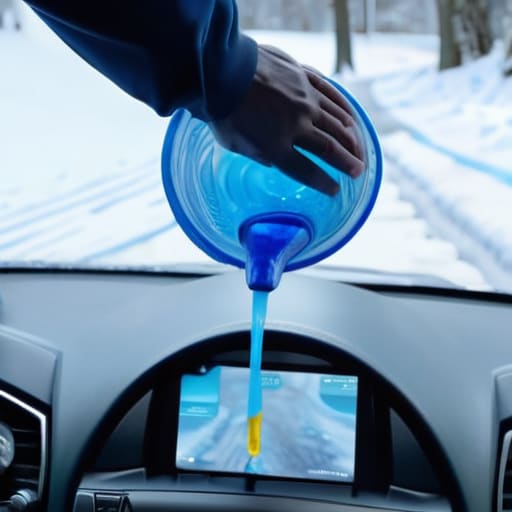
At the end of the day, keeping your wiper fluid topped off is one of those small wins that keeps your drive safe. We’ve covered how to spot a low reservoir without making a huge production out of it and why picking the right fluid for the season—especially when the temperature drops—is a total game changer for your visibility. It’s a five-minute job that prevents a massive headache when you’re caught in a sudden downpour or a slushy winter morning. Just remember to grab the right stuff for your climate and don’t skip the check during your routine inspections.
I know it feels small compared to pulling an engine or swapping out a transmission, but these little tasks are exactly how you build confidence behind the wheel. Every time you handle a basic maintenance job yourself, you’re taking control and making sure nobody can charge you a premium for something you could’ve done in your own driveway. You don’t need a fancy shop or a master certification to be the person in charge of your vehicle. Just grab your supplies, get it done, and keep moving forward. You’ve got this.
Frequently Asked Questions
Is it okay to just use plain water if I'm in a pinch, or will that mess something up?
Look, if you’re stuck in the driveway and need to clear some mud right now, plain water will work in a pinch. It won’t blow up your engine or anything. But don’t make it a habit. Water doesn’t have any cleaning agents to cut through grease, and more importantly, it’ll freeze in your lines once the temperature drops. If that happens, you’re looking at cracked reservoirs and a much bigger headache than a $4 bottle of fluid.
Why does my wiper fluid keep running out so fast even though I just filled it?
If you just topped it off and it’s already bone dry, you’ve likely got a leak. Most of the time, it’s just a cracked reservoir or a loose hose connection somewhere under the hood. Sometimes the pump itself fails and starts dumping fluid straight out. Pop the hood and look for wet spots or puddles near the tank. If you see a drip, that’s your culprit. Don’t let a shop charge you a fortune to find it.
Can I mix different brands of washer fluid together, or do I need to stick to one?
Look, don’t overthink it. You aren’t mixing chemicals in a lab; you’re just topping off a plastic tank. Mixing brands won’t blow your engine or melt your seals. As long as they’re both designed for windshields, you’re good to go. My only real rule? Don’t mix seasonal types—like dumping summer soap into a tank full of winter de-icer. That’s how you end up with a slushy mess that freezes up your pump.
