
I remember driving home from a late shift last winter, squinting through a layer of salt and road grime, only to pull the lever and hear that pathetic, dry hiss of an empty reservoir. I reached for the spray, but nothing happened—just a streak of dirty sludge across my view. It’s one of those small, annoying things that people overlook until they’re driving blind, but honestly, treating your windshield washer fluid like an afterthought is a mistake you don’t want to make when the weather turns nasty.
I’m not here to sell you some overpriced, “premium” formula that claims to fix your engine or polish your paint. That’s just marketing fluff designed to pad a shop’s margins. Instead, I’m going to give you the straight truth on what actually works, from picking the right seasonal mix to making sure you aren’t clogging your spray nozzles with cheap junk. Consider this your guide to doing it right the first time so you can keep your eyes on the road and your money in your pocket.
Table of Contents
- The Real Difference Between Various Windshield Wiper Fluid Types
- Mastering Your Washer Fluid Reservoir Refill Without the Mess
- 5 Pro-Tips to Keep Your Visibility Sharp
- The Bottom Line on Keeping Your Vision Clear
- The Low-Stakes Win
- Don't Let a Small Task Slip Through the Cracks
- Frequently Asked Questions
The Real Difference Between Various Windshield Wiper Fluid Types
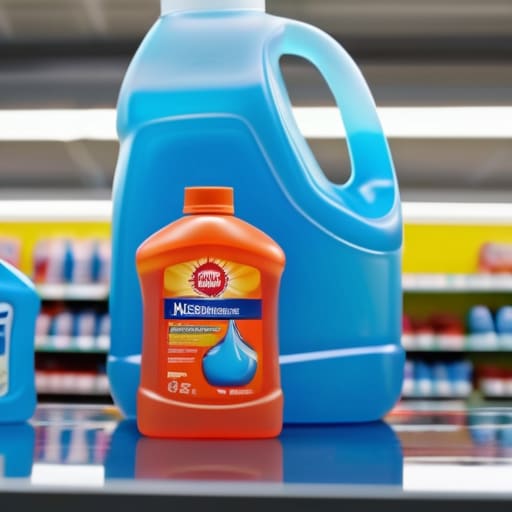
Look, when you’re standing in the cleaning aisle, it’s easy to think every colored liquid in a plastic jug is the same. It’s not. Most of what you see are just basic windshield cleaning solutions designed for summer driving—mostly just water and some soap to cut through bugs. They work fine when it’s eighty degrees out, but if you try to use that stuff once the temperature drops, you’re going to have a bad time.
The real game-changer is understanding the alcohol content. If you live somewhere where the mercury actually dips, you need to be looking at the winter windshield washer fluid temperature rating on the back of the bottle. This isn’t just about cleaning; it’s about preventing frozen washer fluid from turning into a solid block of ice inside your lines. If that fluid freezes in your reservoir, it can actually crack the plastic or burn out your pump, and that’s a much more expensive headache than just buying the right jug. Stick to the seasonal stuff, and you won’t be stuck squinting through a frozen windshield.
Mastering Your Washer Fluid Reservoir Refill Without the Mess
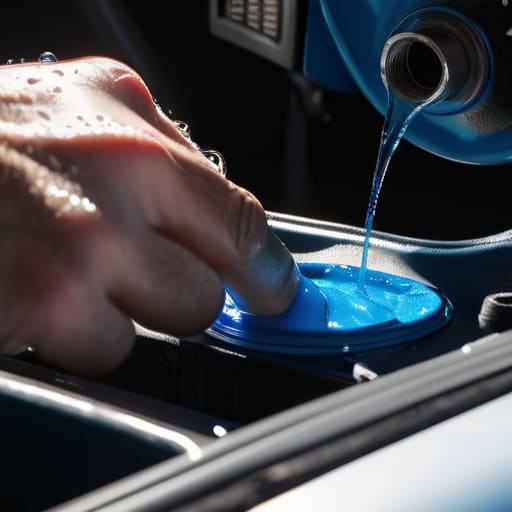
Look, there is nothing worse than trying to do a quick top-off and ending up with a sticky, blue puddle all over your engine bay or, even worse, down your shirt. When you’re doing a washer fluid reservoir refill, don’t just blindly jam the jug into the neck of the tank. Most of these reservoirs are tucked into tight spots, and if you pour too fast, the air can’t escape, causing it to splash back at you. I always use a small funnel—even a cheap plastic one—to keep things controlled. It takes five extra seconds, but it beats scrubbing dried chemical residue off your intake manifold later.
If you’re dealing with a freezing climate, you need to be even more careful about what you’re putting in there. I’ve seen guys try to save a few bucks with generic water-based stuff, only to end up preventing frozen washer fluid from actually working because they didn’t check the alcohol content. If the temperature is dropping, make sure you’re using a dedicated seasonal blend. It’s a tiny bit of extra effort that keeps your lines from cracking when the mercury hits zero.
5 Pro-Tips to Keep Your Visibility Sharp
- Stop using plain old water if you live somewhere that actually gets cold; it’ll freeze in your lines and crack your reservoir, and trust me, that’s a much more expensive headache than buying a $5 jug of proper seasonal fluid.
- Don’t just dump the fluid in blindly; if you’re working near the engine bay, keep a rag handy to wipe up any splashes immediately so you don’t end up with dried, crusty streaks on your paint or sensors.
- If your sprayers feel weak or are just hitting the base of the windshield, don’t go buying new parts right away—grab a thin needle or a paperclip and clear out the tiny nozzles; they get clogged with mineral buildup all the time.
- Check your wiper blade condition at the same time you check your fluid; there’s no point in having crystal-clear fluid if your old, cracked blades are just smearing the grime around in a mess.
- Keep a spare jug of the good stuff in your trunk; there’s nothing worse than being stuck on a dusty backroad with a windshield covered in bugs and zero way to clear it.
The Bottom Line on Keeping Your Vision Clear
Stop overthinking the labels; just pick a fluid that actually matches your local climate so you aren’t scraping ice or dodging bugs blindly.
Don’t be lazy with the refill—keep a spare jug in your trunk so you aren’t caught staring through a layer of grime when you actually need to see the road.
Avoid the temptation to just use plain water; it’s a cheap shortcut that’ll end up clogging your lines or freezing up your pump when you least expect it.
The Low-Stakes Win
Look, it’s not like you’re rebuilding a transmission, but don’t cheap out on the fluid just to save five bucks. Using some watered-down junk is a fast way to freeze your lines or gum up your pump, and trust me, fixing a clogged sprayer is way more of a headache than just buying the decent stuff from the start.
Nikolai·Osterman
Don't Let a Small Task Slip Through the Cracks

Look, at the end of the day, keeping your washer fluid topped off is one of those small wins that keeps your daily drive from turning into a headache. We’ve covered the basics: don’t just grab the cheapest stuff that might freeze or clog your nozzles, and definitely don’t make a mess of your engine bay when you’re pouring it in. Whether you’re choosing a seasonal blend or just a standard soap-based mix, the goal is simple: clear visibility and zero drama when you’re hitting the highway. It’s a five-minute job that saves you from a much bigger, much more annoying problem later on.
I know it feels like just another thing on an endless list of car maintenance chores, but that’s exactly why I do this. Taking care of these little things yourself is how you build a real connection with your machine and, more importantly, how you stop getting ripped off by shops for things you could have done in your own driveway. You don’t need to be a master technician to take pride in your ride; you just need to show up and do the work. Grab that jug, pop the hood, and take control of your car. You’ve got this.
Frequently Asked Questions
Can I just use plain water if I'm in a pinch, or is that going to mess up my pump?
Look, if you’re literally stranded and can’t see a thing, yeah, use the water. It won’t instantly blow your pump, but it’s a temporary fix, not a solution. The real problem is that plain water doesn’t have any detergents to cut through grease, and more importantly, it’ll freeze in your lines come winter. If that happens, you’re looking at cracked reservoirs or a dead pump. Use the water to get home, then grab some actual fluid.
Is it actually safe to mix different brands of fluid together, or will that turn into a science experiment in my reservoir?
Look, I get it—it looks like a chemistry project when you pour blue stuff into green stuff, but you’re fine. Mixing different brands won’t turn your reservoir into a science experiment or melt your pump. As long as you aren’t mixing seasonal types—like dumping summer fluid into a reservoir that’s already half-full of frozen winter mix—you’re good to go. Just don’t overthink it; just top it off and get back to driving.
How do I know if my washer fluid is freezing in the lines before I'm stuck on the highway in a snowstorm?
The easiest way to tell? Watch your spray pattern. If you pull the lever and you hear the pump working but nothing’s coming out, or if you see just a few pathetic, sluggish droplets, your lines are likely icing up. Also, if the fluid level in your reservoir looks weirdly static even after you’ve used it, it might be a solid block of ice in there. Don’t wait until you’re blinded by slush; if it’s getting cold, swap to winter-grade fluid now.
