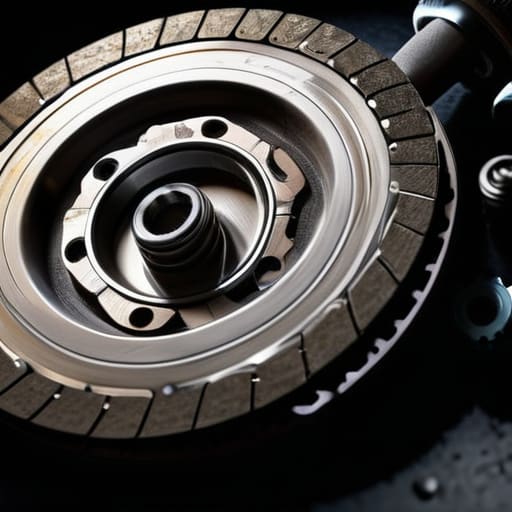
I remember sitting on my dad’s oil-stained concrete floor when I was twelve, watching him stare down a slipping transmission like it was a personal insult. He wasn’t a master mechanic with a fancy degree; he just had a set of wrenches and a refusal to let a machine win. Most shops will see you coming a mile away and try to quote you three grand for a “total system overhaul” the second they hear your pedal feels spongy. But here’s the truth: a lot of what they call complex clutch repair is really just about knowing which bolt is fighting you and having the grit to stay under the car until it’s done.
I’m not here to give you some textbook lecture or sell you on expensive, specialized diagnostic software you’ll never use. My goal is to walk you through the actual, greasy reality of doing the work yourself. I’m going to show you how to identify the real culprits—whether it’s a worn pressure plate or a failing slave cylinder—and how to tackle the clutch repair process without losing your mind or your entire savings account.
Table of Contents
Spotting Worn Clutch Disc Signs Before They Fail
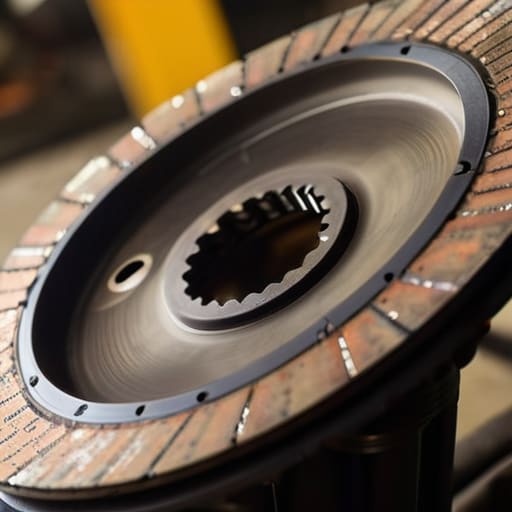
You don’t have to wait for your car to leave you stranded on the shoulder of the highway to know something is wrong. Usually, your car will start giving you little warnings long before the pedal hits the floor. One of the most obvious worn clutch disc signs is that “slipping” feeling. If you’re cruising at a steady speed and you step on the gas, but the engine RPMs jump up without the car actually accelerating faster, your clutch is struggling to grip. It’s basically like trying to run on ice; all that power is being wasted because the friction material is too thin to do its job.
Another thing to watch for is how the pedal feels under your foot. If you’re noticing weird clutch engagement issues, like the biting point suddenly moving way up toward the top of the pedal travel, that’s a massive red flag. You might also catch a distinct burning smell—sort of like burnt toast or old brake pads—whenever you’re sitting in stop-and-go traffic. Don’t ignore that scent. It’s your car’s way of telling you that the friction material is literally cooking itself.
Solving Common Clutch Engagement Issues Yourself
If your pedal feels spongy or won’t stay in gear, don’t immediately assume you need a whole new kit. A lot of the time, you’re actually looking at clutch hydraulic system troubleshooting rather than a mechanical failure of the disc itself. Check your master and slave cylinders for leaks first. If there’s fluid weeping around the seals, that’s your culprit. Sometimes, all it takes is a simple bleed to get the air out of the lines and restore that firm, responsive feel you’re looking for.
On the other hand, if the pedal is sticking or feels incredibly heavy, you might be dealing with a cable issue or a failing pressure plate. I’ve seen plenty of people panic thinking they need a massive automotive drivetrain repair job when they really just had a frayed adjustment cable. Take a second to inspect the linkage and ensure everything is moving freely without grit or old, dried-up grease holding it back. It’s usually just a matter of cleaning things up and getting the tension back to where it belongs.
Pro Tips to Save Your Clutch (and Your Wallet)
- Don’t ride the pedal. I see people do this all the time—just resting their foot on the clutch pedal while they drive. It creates constant friction that wears down the disc way faster than it should. Keep your foot off unless you’re actually shifting.
- Invest in a decent torque wrench. When you’re bolting that pressure plate back down, “eyeballing it” is a recipe for disaster. If you don’t tighten those bolts evenly and to the right spec, you’re going to end up with a warped plate and a massive headache.
- Always replace the throw-out bearing while you’re in there. If you’ve already gone through the trouble of pulling the transmission to get to the clutch, don’t be cheap. That bearing is usually cheap, and if it fails in six months, you’re paying for the same labor all over again.
- Clean your surfaces properly. Before you drop the new disc in, make sure the flywheel and pressure plate are spotless. Any leftover oil or old residue will cause the new clutch to slip immediately, and you’ll be right back where you started.
- Check your hydraulic fluid levels. Sometimes it’s not even the clutch itself that’s the problem; it’s a leak in the master or slave cylinder. Before you tear the whole thing apart, check your fluid and look for air bubbles in the line. It might save you hours of unnecessary work.
Don't Let a Clutch Job Break Your Bank
Pay attention to those early warning signs like slipping or a spongy pedal; catching a worn disc early can save you from a much more expensive repair down the line.
Most engagement issues are just simple fixes involving your linkage or hydraulics, so don’t let a shop talk you into a full replacement before you’ve checked the basics.
You don’t need a master technician’s certification to swap a clutch—just get the right socket set, clear your schedule, and take it one bolt at a time.
## The Truth About the Clutch
Most shops will tell you a slipping clutch is a death sentence for your wallet, but honestly? It’s just a matter of getting the right jack stands, a decent socket set, and not letting the fear of a greasy mess stop you from doing it yourself.
Nikolai·Osterman
Don't Let the Shop Fleece You
Look, fixing a clutch isn’t some impossible feat reserved for master techs with specialized degrees. We’ve covered how to listen for those telltale slipping sounds, how to identify a worn disc before you’re stranded on the shoulder, and how to troubleshoot engagement issues that usually just require a bit of adjustment. If you can recognize the symptoms early and keep a basic set of sockets within reach, you’re already ahead of most drivers. The goal is to catch these problems while they’re still manageable so you aren’t facing a massive, unexpected repair bill when your car finally decides to quit on you.
At the end of the day, my goal is to make sure you feel confident when you pop that hood. It’s easy to get intimidated by the complexity of modern drivetrains, but most of the time, it really just comes down to having the right tool and a little bit of patience. Don’t let a mechanic convince you that a simple repair is a total nightmare just to pad their invoice. Grab your magnetic tray, get under the car, and take control of your own ride. You’ve got this.
Frequently Asked Questions
Do I really need to replace the entire clutch assembly, or can I just swap out the disc and pressure plate?
Look, I get the temptation to just swap the disc and pressure plate to save some cash, but honestly? It’s usually a trap. If you’ve already gone through the massive headache of pulling the transmission, you might as well do it right. Replacing the whole assembly—including the throw-out bearing and flywheel resurfacing—means you won’t be back under the car in six months. Don’t do the same job twice. Just do the whole kit.
How do I know if my slave cylinder is the actual problem instead of the clutch itself?
Look, don’t go dropping hundreds on a whole clutch kit just yet. If your pedal feels spongy or stays stuck to the floor, it’s usually hydraulic, not mechanical. Check your slave cylinder first. If you see fluid leaking around the seal or the pedal feels “mushy” without any slipping, that’s a dead giveaway. I always check the fluid level in the reservoir first—if it’s low, you’ve got a leak, and that’s your culprit.
Is it worth trying to fix a slipping clutch, or am I just wasting my time and money?
Look, I’ll be straight with you: if the clutch is slipping, the friction material is toast. You can’t “fix” a worn disc with a spray can or a quick adjustment; you have to replace it. Is it worth it? Absolutely. Replacing the assembly yourself saves you hundreds in labor costs. If you’ve got the tools and a jack, don’t waste money on a shop just to have them tell you what I’m telling you.
