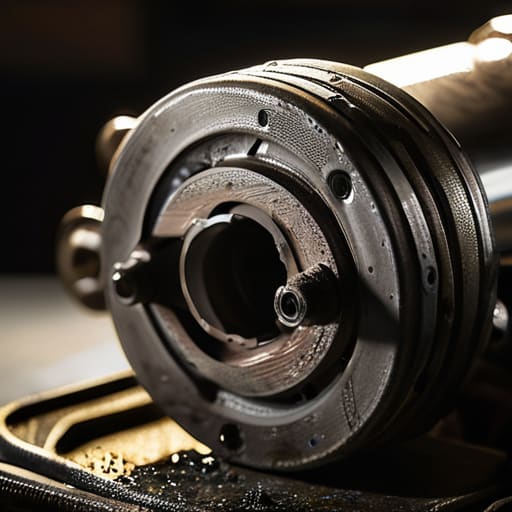
I was under a beat-up Civic last Tuesday, grease up to my elbows, when I heard that dreaded, hollow thud from the pedal assembly. My customer had been told by a shop that he needed a whole new hydraulic system overhaul because his clutch felt like mush, and they were quoting him enough money to buy a decent used car. It’s total nonsense. Most of the time, you’re just looking at a failing clutch slave cylinder, and honestly, it’s one of those fixes that makes people panic way more than they should.
I’m not here to sell you on some expensive, over-complicated diagnostic service that you don’t actually need. My goal is to give you the straight truth about how to spot a bad clutch slave cylinder and, more importantly, how to swap it out without breaking the bank. I’ve spent enough time in the garage to know that if you have the right wrench and a little bit of patience, you can handle this yourself. Let’s get into the actual grit of the repair so you can stop worrying and start driving.
Table of Contents
Spotting the Symptoms of Failing Slave Cylinder Early
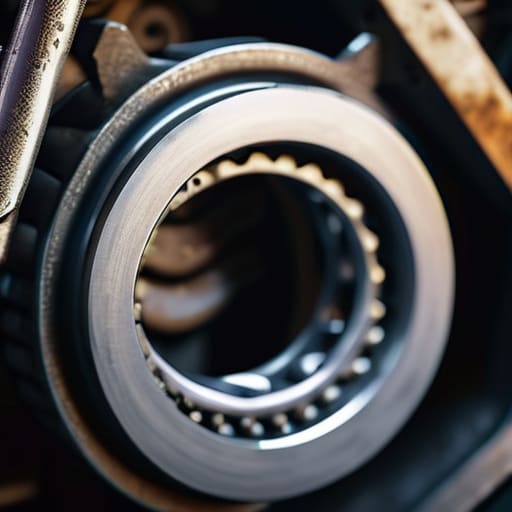
The first thing you’re going to notice is a change in your clutch pedal feel. It might start feeling “spongy,” like you’re stepping on a marshmallow instead of a solid mechanical component, or it might suddenly go completely limp and stay stuck to the floor. If you feel like you have to pump the pedal a few times just to get the car to shift properly, that’s a massive red flag. These clutch engagement issues usually mean the internal seals are starting to give up the ghost, and the pressure isn’t being distributed where it needs to go.
Keep a sharp eye on the ground where you park, too. If you spot a small puddle of oily fluid near the transmission housing, you’re likely looking at a clutch hydraulic system failure in the making. Most of the time, it’s not a massive explosion of fluid, but rather a slow, sneaky leak that catches people off guard. Catching these symptoms early is the difference between a quick afternoon in the driveway and being stranded on the side of the road waiting for a tow truck.
Why Your Clutch Pedal Feel Suddenly Changes
If your pedal suddenly feels “mushy” or like you’re stepping into a bowl of oatmeal, that’s a massive red flag. Usually, when you press down, there’s a crisp, consistent resistance that tells you the system is pressurized and ready to work. But when you start experiencing clutch engagement issues, like the pedal staying stuck to the floor or feeling way too light, it’s a sign that the internal seals are likely shot. It’s not just a minor annoyance; it’s a direct indicator that your hydraulic pressure is bleeding off somewhere it shouldn’t be.
I’ve seen plenty of guys ignore this, thinking they just need a more aggressive foot, but you can’t muscle your way through a clutch hydraulic system failure. If the pressure isn’t hitting the piston correctly, the lever isn’t moving the fork, and you’re basically just playing with a heavy piece of metal. Once that clutch pedal feel goes wonky, you’re usually on borrowed time before the car refuses to shift into gear entirely. Don’t wait until you’re stranded at a light to figure this out.
Pro Tips for Dealing with a Dying Slave Cylinder
- Don’t just top off the fluid and call it a day. If your reservoir is getting low, you’ve got a leak somewhere. Replacing the cylinder is the real fix; just adding more fluid is just masking a problem that’s going to leave you stranded eventually.
- Grab a decent set of flare nut wrenches. Most of the hydraulic lines connected to the slave cylinder use soft metal fittings that strip way too easily if you try to use a standard open-end wrench. Trust me, your knuckles will thank you.
- Keep your workspace clean. Even a tiny speck of dirt getting into the hydraulic line during a swap can clog the seals or cause the new cylinder to fail prematurely. It’s a small detail, but it’s the difference between a one-time fix and a headache.
- Bleed the system thoroughly. Air is the enemy of a smooth clutch. If you feel a “spongy” pedal after your repair, you probably still have air bubbles trapped in the line. You’ll need to pump the pedal or use a vacuum bleeder to get it perfect.
- Check the master cylinder too. If you put in a brand new slave cylinder and the pedal still feels garbage, the issue might actually be the master cylinder up by your foot. It’s better to know now so you don’t waste time chasing the wrong part.
The Bottom Line on Your Clutch
If your pedal feels mushy or you’re seeing fluid pooling near the transmission, don’t ignore it—that’s your slave cylinder telling you it’s about to give up.
You don’t need a massive shop setup to swap this part; just get yourself a decent jack, some stands, and a little patience to avoid a headache.
Catching a leak early can save you from a total breakdown on the side of the road and keeps you from getting hit with a massive repair bill at a shop.
The Truth About That Spongy Pedal
Most shops will try to tell you your whole clutch assembly is shot, but nine times out of ten, it’s just a cheap slave cylinder acting up. Don’t let them talk you into a massive bill when a little bit of hydraulic pressure and a basic wrench could fix the whole problem.
Nikolai·Osterman
Don't Let a Small Leak Stall You Out
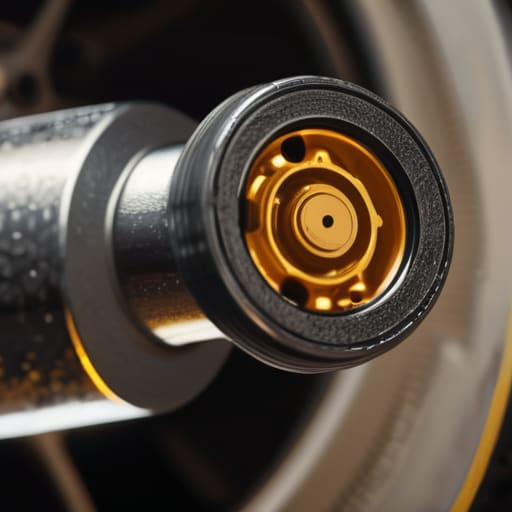
Look, at the end of the day, a failing clutch slave cylinder isn’t some mysterious engine failure that requires a master technician and a massive invoice. If you’ve been noticing a mushy pedal, seeing fluid pooling near the transmission, or struggling to get into gear, you’ve already done the hard part by identifying the problem. Just remember that it usually comes down to a simple hydraulic leak or a worn-out seal. Once you’ve grabbed your basic wrenches and a little bit of brake cleaner, you’re well on your way to getting that pressure back where it belongs. Don’t ignore those early warning signs, because a small leak today can turn into a total pedal failure when you’re stuck in traffic tomorrow.
I know it can feel intimidating when you’re staring at a greasy mess under the chassis, but honestly, you’ve got this. Every time you tackle a job like this, you’re becoming more self-reliant and less dependent on whatever the shop tries to charge you. It’s about that satisfaction of the first smooth shift after you’ve tightened that last bolt yourself. Keep your tools organized, keep that magnetic tray handy, and just take it one step at a time. You don’t need a fancy certification to take control of your ride; you just need the grit to get your hands dirty.
Frequently Asked Questions
Can I just top off the clutch fluid and keep driving, or is that asking for trouble?
Look, I get the temptation to just top it off and keep rolling, but honestly? You’re just putting a band-aid on a bullet wound. If your fluid level is dropping, you’ve got a leak somewhere. Topping it off might buy you a few miles, but eventually, you’ll lose pressure entirely and end up stranded mid-intersection. Don’t risk it. Find the leak, fix the seal, and save yourself the massive headache later.
Do I really need to replace the whole master cylinder too, or can I just swap out the slave cylinder?
Look, I get why you’re asking—you want to save the cash. If the master cylinder is still holding pressure and isn’t leaking, you can definitely just swap the slave. But honestly? If one’s gone, the other’s usually right behind it. They share the same fluid, and if your fluid’s been old and nasty, it’s probably eaten away at the seals in both. If you can afford it, do both. It saves you a second headache later.
How much of a mess am I actually looking at when it comes to bleeding the air out of the system?
Honestly? It’s more of a “wet” mess than a “disaster” mess. If you’re doing this right, you’ll have some brake fluid splashing around the bleeder screw and dripping down the housing. It’s thin, oily, and eats paint if you’re not careful, so grab a rag and maybe some brake cleaner to wipe things down afterward. Just don’t expect it to stay clean—it’s part of the job.
