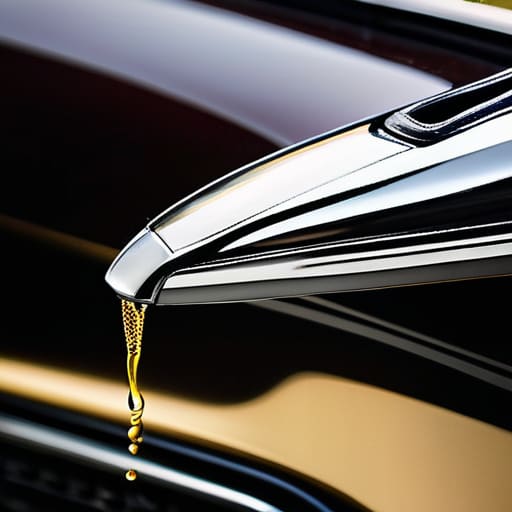
You’re probably thinking that that high-pitched screech every time you open your car door means you need to replace the entire latch assembly or spend a fortune at the dealership. Honestly? That’s a total scam. Most people assume a squeaky door is a sign of a mechanical failure, but nine times out of ten, you’re just dealing with a lack of basic door hinge lubrication. I remember helping my dad in the garage when I was a kid; he’d always tell me that a little bit of the right grease saves a lot of money and a massive headache later on. You don’t need to be a master mechanic to fix this; you just need to stop ignoring the warning signs.
In this guide, I’m going to cut through the nonsense and show you exactly how to handle this yourself. I’ll walk you through the specific types of lubricants that actually work—and more importantly, the ones that will just turn your hinges into a sticky, dusty mess. No fluff, no expensive shop tools, just a straightforward way to get your doors swinging smooth again so you can stop feeling embarrassed every time you pull into a driveway.
Table of Contents
Guide Overview
Tools & Supplies
- Screwdriver (to remove hinge pins if necessary)
- Microfiber cloth (to wipe away excess lubricant)
- Lubricant (Silicone spray, PTFE, or white lithium grease)
- Paper towels (to catch drips)
Step-by-Step Instructions
- 1. First, grab a clean rag and some degreaser—or even just a bit of soapy water if you’re working with household stuff. You need to wipe down the hinge to get rid of all that old, crusty grit and road salt. If you just spray new lube over the old gunk, you’re basically just trapping the dirt inside, which’ll grind your metal down faster.
- 2. Once it’s dry, take a close look at the hinge pins and the joints. If you see any actual rust forming, give it a light scrub with a wire brush. You want the surface to be as clean as possible so the lubricant can actually reach the moving parts instead of just sitting on top of a layer of oxidation.
- 3. Now, pick your weapon. I always tell people to avoid the heavy, sticky stuff for this. Grab a can of white lithium grease or a high-quality silicone spray. Avoid the cheap stuff that smells like a chemical factory; you want something that stays put without turning into a dust magnet a week later.
- 4. Apply the lubricant in small, controlled bursts. Don’t just hold the trigger down and soak the whole door; that’s how you end up with a massive mess on your paint. Aim for the pivot points and the seams where the metal actually slides against itself. Just a little bit goes a long way.
- 5. This is the part most people skip, but it’s the most important: open and close the door repeatedly for about a minute. You need to work the grease into the tight gaps. If you hear the squeak start to fade, you’re doing it right. If it’s still screaming at you, you probably missed a spot and need to add a little more.
- 6. Grab that rag again to wipe away any excess spray that’s pooling up. You don’t want liquid grease dripping down your door panel or getting all over your clothes when you get in the car. A clean finish is the sign of a job well done, and it keeps your garage from looking like a disaster zone.
How to Stop Door Squeaking Without a Mechanic
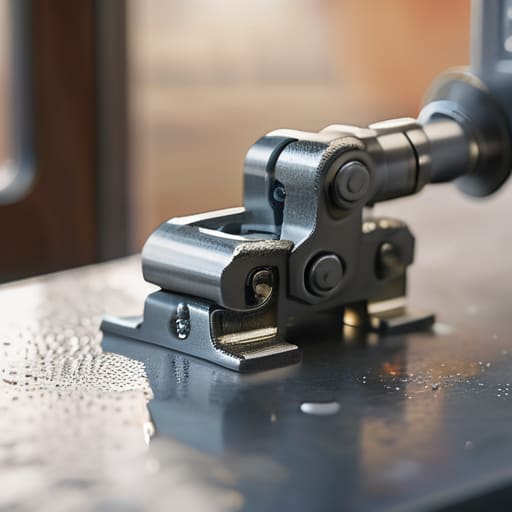
Look, I’ve seen plenty of people try to fix a noisy door by just spraying whatever they find in the junk drawer. If you’re thinking about using standard WD-40 to solve the problem, let me stop you right there. Most people don’t realize that WD-40 vs silicone lubricant is a massive debate in the shop for a reason. Standard WD-40 is a great cleaner and penetrant, but it evaporates fast and can actually strip away existing grease, leaving your hinges even drier than before. If you want a fix that actually lasts, you need to look for a silicone spray for hinges or a dedicated white lithium grease.
Before you even touch the lube, you’ve got to deal with the grit. If you’re cleaning rusty door hinges, take a stiff brush or even an old toothbrush to scrub away the oxidation and dirt buildup first. If you just spray over the grime, you’re basically just creating a sticky, disgusting paste that’ll grind down the metal over time. A little bit of elbow grease now saves you from having to replace the whole assembly later. Just keep it simple: clean it, dry it, and then apply the right stuff.
Choosing the Best Lubricant for Metal Hinges
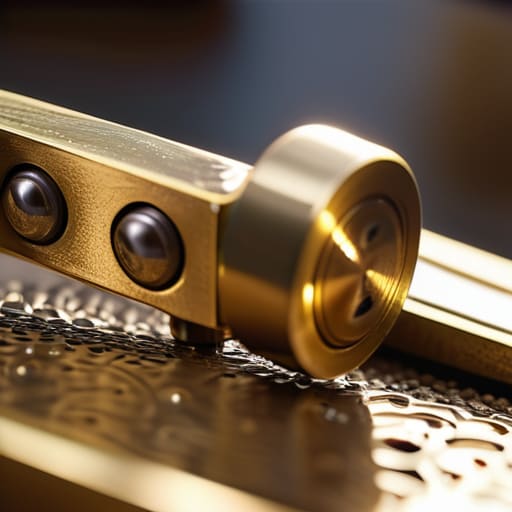
Look, don’t just grab whatever oily junk is sitting in your junk drawer and hope for the best. I see people do this all the time, and it usually ends with a sticky, dust-covered mess that actually makes the problem worse. If you’re looking for the best lubricant for metal hinges, you need to understand the difference between a cleaner and a long-term fix. A lot of guys think a quick blast of standard WD-40 is the answer, but that stuff is mostly a solvent designed to displace moisture. It’ll stop the noise for a day, but it evaporates fast and leaves your metal parts bone-dry and vulnerable to more friction.
For something that actually lasts, you want to go with a silicone spray for hinges or a high-quality white lithium grease. Silicone is great because it’s thin enough to seep into those tight gaps without making a massive mess, and it won’t attract as much grit and dirt as heavy oils do. If you’re dealing with older, crusty hardware, you might need to spend a minute cleaning rusty door hinges with a wire brush first. If you don’t clear that oxidation away, you’re just trapping the new grease under a layer of junk, and you’ll be back here fighting that squeak again in a week.
Pro Tips to Keep the Squeak Away for Good
- Don’t just spray and pray. A lot of people just hit the hinge with a can of WD-40 and call it a day, but that stuff evaporates fast. You want to actually get the lubricant into the pin, not just coat the outside.
- Keep a rag handy. When you’re applying grease or oil, there’s always going to be a little bit of runoff. If you let that drip down your door or onto your paint, it’s going to attract dirt and turn into a nasty, grinding paste.
- Clean the gunk out first. If your hinges are covered in years of road salt, dust, and old, dried-up grease, your new lubricant isn’t going to penetrate anything. Take a minute to wipe the old grit off before you add the new stuff.
- Watch out for the “too much” trap. I’ve seen guys drown their hinges in grease thinking more is better. All you’re doing is creating a magnet for every piece of sand and debris on the road, which eventually wears the metal down faster.
- Listen to the car. If you hear a tiny bit of friction or a faint creak, don’t wait until it sounds like a dying bird to fix it. A little maintenance now saves you from having to deal with a stiff, heavy door later.
The Bottom Line
Don’t overthink it; if your door is squeaking, it just needs a quick hit of the right lubricant and a little bit of movement to work its way in.
Skip the heavy-duty grease that attracts dirt and grit; stick to a clean spray or a light oil so you aren’t making a mess of your door jamb.
You don’t need to pay a shop minimum just to fix a noise—grab a can of lube, spend five minutes on it, and keep that extra cash in your pocket.
Don't Overthink the Small Stuff
A squeaky door isn’t a sign you need a professional; it’s just a sign you’re being lazy with your maintenance. Most people think they need a mechanic for every little noise, but honestly, five bucks worth of grease and five minutes of your time will save you a hundred-dollar headache later.
Nikolai·Osterman
Don't Overthink It
Look, at the end of the day, fixing a squeaky door isn’t some high-level diagnostic nightmare like trying to trace a phantom electrical short in a modern ECU. You just need to grab the right lubricant—ideally something that won’t attract a bunch of grit and grime—clean off the old gunk, and apply it where it actually matters. Whether you’re dealing with a heavy SUV door or just a creaky cabinet, the principle is the same: clean it, lube it, and move on. It takes five minutes of your time, but it saves you from that constant, nagging sound that makes you feel like your gear is falling apart.
I know it sounds small, but these little wins are exactly how you build confidence. Most people think they need to call a professional for every single thing that makes a noise, but I’m telling you, you’ve got this. Every time you handle a basic maintenance task yourself, you’re taking control back from the shops that want to charge you an hour of labor just to spray some silicone. Don’t let the small stuff intimidate you. Grab your tools, get your hands a little dirty, and realize that you’re more than capable of keeping your own stuff running smooth.
Frequently Asked Questions
How often do I actually need to do this before the squeak comes back?
Honestly, it depends on how much you abuse your car. If you’re driving through salt and slush in the winter, that grime is going to eat your grease fast, so I’d check them every few months. If you’re just cruising in a dry climate, once or twice a year is plenty. Just listen to the car—if it starts whining at you again, don’t wait. Just grab the spray and hit it.
Can I just use WD-40, or is that going to mess things up long-term?
Look, I get why you’d reach for the blue and yellow can—it’s probably sitting right there on your workbench. But honestly? Don’t do it. Standard WD-40 is a solvent, not a long-term lubricant. It’ll clean out the gunk and stop the squeak for a day, but then it evaporates and leaves your hinges bone-dry. You’ll actually end up with more friction and more noise later. Stick to a real lithium grease or a silicone spray instead.
What should I do if the hinge is already rusted solid and won't even move?
Man, if it’s rusted solid, don’t go forcing it. You’ll just bend the hinge or snap a bolt, and then we’re talking a real headache. First, soak it in some heavy-duty penetrating oil—not just regular WD-40, get the stuff that actually eats rust. Let it sit for a good hour, maybe even overnight. Tap the hinge lightly with a hammer to help the oil seep in, then try to wiggle it. Patience wins here.
