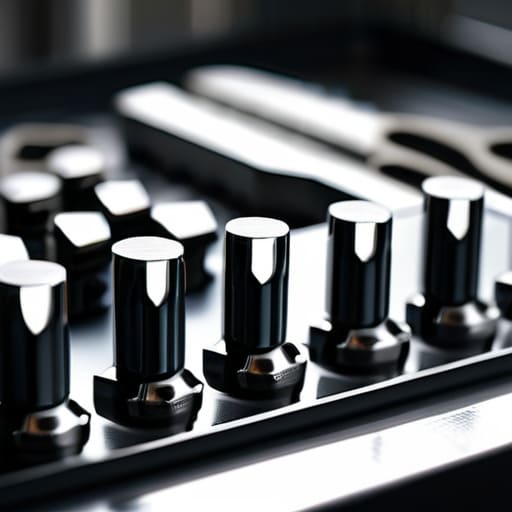
I still remember the first time I tried to swap out an alternator on my old Civic, thinking I could just wing it with a cheap, flimsy kit I found at a big-box store. Halfway through the job, I was stuck in the driveway, knuckles bleeding and sweating, because the one specific size I actually needed was missing from that useless junk pile. It’s a total scam when companies try to sell you those massive, 200-piece “everything but the kitchen sink” kits that are mostly just filler. You don’t need a mountain of cheap metal; you need a solid, reliable socket set that won’t strip your bolts the second things get tight.
Look, I’m not here to sell you on some professional-grade tool chest that costs more than your car. My goal is to cut through the marketing noise and tell you exactly what’s worth your hard-earned cash and what’s just expensive clutter. I’m going to break down the different types of drives, the essential sizes you’ll actually use, and how to spot quality before you swipe your card. By the time we’re done, you’ll have the confidence to stop guessing and start getting the job done right.
Table of Contents
- Metric vs Imperial Socket Sets Knowing the Truth Under Your Hood
- Deep Socket vs Shallow Socket the Tools That Actually Get Results
- Don't Waste Your Cash: 5 Ways to Build a Kit That Actually Works
- The Bottom Line Before You Start Wrenching
- The Real Cost of a Cheap Set
- Getting Your Hands Dirty
- Frequently Asked Questions
Metric vs Imperial Socket Sets Knowing the Truth Under Your Hood
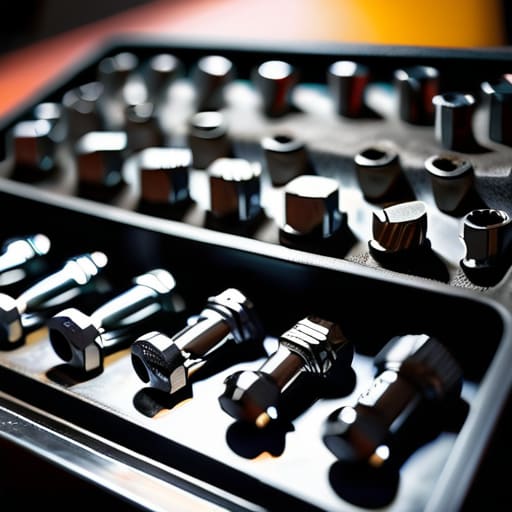
Here is the deal: if you walk into a shop and start grabbing random tools, you’re going to strip a bolt before you even realize what happened. Most modern cars—especially the Japanese tuners I spend my weekends messing with—are almost entirely metric. If you’re working on something newer, you’re going to be living in that world of 8mm to 22mm. But don’t go thinking you can ignore the imperial stuff entirely. If you ever find yourself tinkering with an old American muscle car or a vintage truck, you’ll realize pretty quickly that a 13mm won’t save you when you actually need a 1/2 inch.
When you’re building out your automotive tool kits, you really need to decide if you’re going all-in on one or keeping a hybrid setup. I’ve seen guys try to “make it work” by using a slightly loose imperial socket on a metric bolt, and let me tell you, that’s the fastest way to turn a simple fix into a nightmare. Don’t be that guy. It’s better to invest in a decent set that covers both bases so you aren’t stuck halfway through a job because your tool choice was “close enough.”
Deep Socket vs Shallow Socket the Tools That Actually Get Results
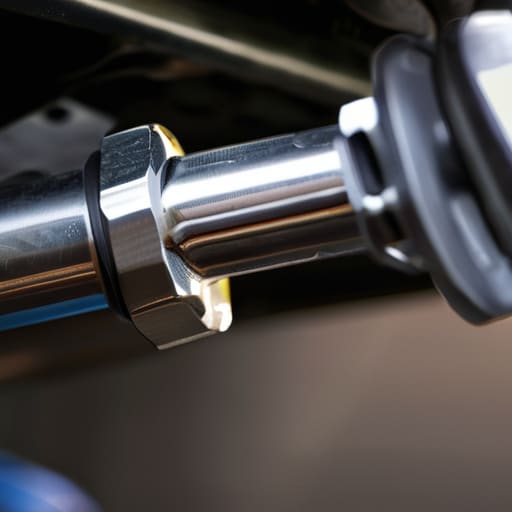
If you’ve ever been halfway through a job only to realize you can’t reach a bolt because there’s a frame rail or a coolant hose in the way, you’ve learned the hard way why you need both. Shallow sockets are your go-to for most basic stuff—changing oil pans or working on exposed components where space isn’t an issue. They’re quick, easy to maneuver, and keep your profile low. But don’t let that fool you into thinking they’re the only ones you need in your automotive tool kits.
That’s where the deep socket comes in. When you’re dealing with long threaded studs or bolts buried deep inside an engine bay, a shallow socket just won’t cut it. You need that extra length to seat the tool properly so you don’t round off the edges of the fastener. I’ve seen way too many beginners strip a bolt because they tried to use a shallow socket on something that clearly needed more reach. Mastering the deep socket vs shallow socket distinction is honestly one of the easiest ways to stop fighting your car and start actually fixing it.
Don't Waste Your Cash: 5 Ways to Build a Kit That Actually Works
- Don’t buy those cheap, massive 200-piece sets from the big-box stores. Half of those sockets are sizes you’ll never touch, and the metal is so soft you’ll round off a bolt head within the first week. Get a smaller, high-quality set instead; I’d rather have ten tools that don’t strip my fasteners than a hundred that do.
- Invest in a decent ratchet with a high tooth count. There is nothing more frustrating than being wedged into a tight engine bay with only two inches of clearance and having a ratchet that skips every time you try to turn it. You want something that engages instantly so you aren’t fighting the tool more than the bolt.
- Get yourself some extensions and a universal joint (swivel). You’re going to run into situations where there’s a bracket or a hose blocking your direct line of sight. If you don’t have a way to reach around obstacles, you’re just going to end up swearing at a piece of plastic instead of actually fixing the car.
- Keep your sockets organized from day one. I learned this the hard way in my dad’s garage—losing a 10mm socket mid-job is a nightmare that kills your momentum. Use a socket rail or a dedicated tray. If you don’t know exactly where your tools are, you’re going to spend more time hunting than wrenching.
- Always check the fit before you put your weight into it. If the socket feels “loose” or wobbly on the bolt, stop immediately. That’s how you end up with a rounded-off head that requires an extractor kit and two hours of extra headache. If it doesn’t seat perfectly, find the right size or walk away.
The Bottom Line Before You Start Wrenching
Stop wasting money on massive, 300-piece kits that are mostly junk; focus on getting a solid selection of metric and imperial sockets in both deep and shallow lengths.
Always check your car’s specs before buying—if you’re working on a Japanese tuner, you’re going to live and die by your metric set.
Don’t get stuck halfway through a job because you’re missing a specific depth; having both deep sockets for recessed bolts and shallow ones for tight spaces is the only way to actually finish what you started.
The Real Cost of a Cheap Set
I’ve seen too many people buy some cheap, no-name socket set just to save twenty bucks, only to have a stripped bolt or a rounded-off nut turn a ten-minute fix into a three-hour nightmare. At the end of the day, you aren’t just buying metal; you’re buying the confidence that when you pull that wrench, the bolt actually turns instead of snapping off in the engine block.
Nikolai·Osterman
Getting Your Hands Dirty
Look, at the end of the day, you don’t need a massive, overpriced rolling chest full of every tool ever made to get through a weekend project. It really comes down to the basics we just talked about: knowing whether you’re grabbing metric or imperial so you don’t strip a bolt, and picking between deep or shallow sockets so you aren’t fighting a losing battle against a tight engine bay. If you invest in a decent set that covers these fundamentals, you’re already ahead of 90% of the people who walk into a shop and just hand over their keys because they’re intimidated. Don’t let a lack of specialized gear stop you from making a simple fix.
My dad always told me that the most important tool in the garage isn’t the one that costs the most; it’s the one you actually know how to use. Every time you successfully torque down a bolt or swap out a sensor yourself, you’re taking a bit of that power back from the big shops. It might be frustrating when a socket slips or you realize you’re one size off, but that’s just part of the learning curve. Keep showing up, keep learning, and keep wrenching. Once you realize that most of what’s under the hood is just a series of manageable problems, you’ll realize you’ve been in control the whole time.
Frequently Asked Questions
How do I know if I should buy a single ratchet or a full socket set to start with?
Look, if you’re just starting out, don’t waste your money on a single ratchet. You’ll get halfway through a job, realize you’re missing a 10mm, and then you’re stuck staring at a bolt you can’t turn. It’s frustrating and a total time-sink. Grab a decent starter set. It’s more upfront cash, but having all those sizes in one organized case saves you from the “missing socket” headache every single time.
Is it actually worth spending more on a high-end brand, or can I get away with the cheap stuff from a big-box store?
Look, I’ll give it to you straight: don’t go buying a $500 professional kit on day one, but stay away from those $10 mystery sets from the big-box aisles. They’ll round off your bolts faster than you can say “oops.” Get something mid-range from a decent brand. You want tools that won’t snap when things get tight or greasy. Save your money for parts, but don’t cheap out on the things actually touching your engine.
What’s the difference between a 1/4-inch, 3/8-inch, and 1/2-inch drive, and which one do I actually need for most jobs?
Think of drive size as the muscle behind your wrench. The 1/4-inch is your small-scale specialist—perfect for tight engine bays and delicate sensors where you don’t want to snap anything. The 3/8-inch is the real MVP; it’s the sweet spot for about 80% of everything I do. Then you’ve got the 1/2-inch, which is pure brute force for lug nuts and suspension bolts. If you’re just starting, grab a solid 3/8-inch set first.
