I remember being ten years old, crouched under my dad’s old sedan, the smell of heavy gear oil thick enough to taste in the back of my throat. He wasn’t lecturing me on “mechanical longevity”; he was just showing me how to avoid a massive repair bill by staying ahead of the game. Most shops will try to tell you that a differential fluid service is some high-level, specialized procedure that requires a master technician and a shop full of expensive diagnostic computers. That’s a total lie. They want you to believe it’s complicated so they can charge you triple the labor rate for a job that’s really just about having the right tools and not being afraid to get a little dirty.
I’m not here to give you some textbook lecture or a list of vague manufacturer recommendations that don’t actually help you in a real garage. I’m going to walk you through exactly how to handle this yourself, from picking the right gear oil to making sure you don’t strip your drain plug. My goal is to give you the straight-up truth so you can stop overpaying the local dealership and start taking control of what’s under your own hood.
Table of Contents
How to Check Differential Fluid Level Without a Mechanic
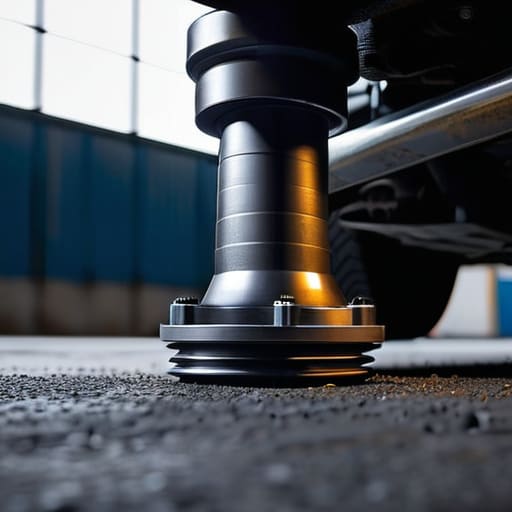
Before you even think about buying a bunch of new oil, you need to see if you actually need it. To figure out how to check differential fluid level, you’re going to need a way to get under the car—a floor jack and some sturdy jack stands are non-negotiable here. Once you’ve got the chassis up and stable, crawl underneath and look for the fill plug on the side of the differential housing. It’s usually a large hex bolt.
Don’t go cranking on it blindly, though. Use a socket that actually fits so you don’t strip the head and turn a simple check into a nightmare. Once that plug comes out, take a clean rag or a small screwdriver and peek inside. You’re looking for the fluid to be right at the bottom edge of the hole. If it’s bone dry or looks like thick, milky sludge, that’s a major red flag. Seeing dark, gritty liquid is one of the clearest signs of worn gear oil and means you’re overdue for a swap. If it looks clean and reaches the level, you can save your cash and just bolt the plug back in.
Recognizing the Warning Signs of Worn Gear Oil
If you start hearing a low-pitched whine or a rhythmic growling coming from under the car while you’re cruising, don’t just turn up the radio and hope it goes away. That’s usually the first real red flag. When the viscosity of gear oil breaks down because it’s been sitting in there too long, the metal gears inside lose that protective cushion they need. Without that film of oil, you’re basically watching your gears grind themselves into scrap metal. It’s loud, it’s annoying, and if you catch it early, it’s a cheap fix; if you wait, you’re looking at a massive repair bill.
Another thing to watch for is any weird, burnt smell or sudden leaks around the housing. If you see dark, gritty sludge near the shafts, you might actually be looking at a need for a differential seal replacement rather than just a simple fluid swap. If the oil looks like pitch-black coffee instead of a clear, honey-colored liquid, your fluid has definitely reached the end of its life. Don’t ignore these signs of worn gear oil—your drivetrain will thank you later.
Don't Make These Rookie Mistakes When You're Under the Car
- Always crack the fill plug before you touch the drain plug. If you drain all that old, nasty oil and then realize your fill plug is seized or stripped, you’re stuck with a car that can’t move and a huge mess on your floor.
- Get a decent fluid pump. Trying to pour gear oil straight from the bottle into a tiny hole on the side of the axle is a recipe for a massive, greasy disaster all over your driveway.
- Check your manual for the specific GL rating. Don’t just grab whatever oil is on sale at the auto parts store; using the wrong viscosity or additive package can actually chew up your gears over time.
- Keep a clean workspace near the plugs. Even a tiny bit of dirt or grit getting into the differential while the plug is off can act like sandpaper on your internal components once you start driving.
- Don’t overthink the “level.” You aren’t trying to fill it to the brim; you just want the fluid to be right at the bottom edge of the fill hole. Any more than that and you’re just creating unnecessary pressure.
The Bottom Line on Your Differential
Don’t wait for a loud whining sound to start thinking about your gear oil; if it smells burnt or looks like milky sludge, it’s already too late.
You don’t need a specialized shop to do this—as long as you’ve got a decent socket set and a way to pump the new fluid in, you can handle it in your own driveway.
Checking your fluid level is the easiest way to avoid a massive repair bill, so make it a habit every time you’re doing an oil change.
## Don't Let Them Overcharge You
“Most shops will try to tell you that a differential service is some high-level surgery, but honestly? It’s just a drain plug, a fresh bottle of gear oil, and ten minutes of your time. Don’t pay a premium for something you can do in your own driveway with a basic wrench set.”
Nikolai·Osterman
Don't Let the Shop Overcharge You
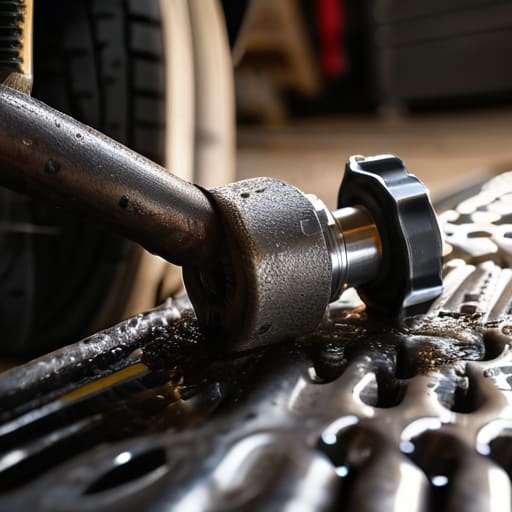
Look, swapping out your differential fluid isn’t some high-level engineering feat. If you’ve learned to spot that burnt smell or the weird whining noise coming from your rear end, you’re already halfway there. All you really need is the right drain plug wrench, a clean way to catch the old sludge, and a bit of patience to make sure you don’t make a mess of your driveway. Just remember to check your levels regularly and don’t go cheap on the oil—using the specific weight your manual calls for is the difference between a smooth ride and expensive gear failure.
At the end of the day, keeping your car on the road shouldn’t feel like a mystery designed to drain your bank account. I spent my childhood covered in grease in my dad’s garage, and if I can learn to navigate these sensor-heavy engines, you definitely can too. Don’t let a little bit of dirty oil or a daunting-looking underside intimidate you. Once you get your hands dirty and realize you’ve got the power to maintain your own machine, you’ll never look at a mechanic the same way again. Grab your tools and just get started.
Frequently Asked Questions
Do I really need to use a specific type of gear oil, or can I just use whatever is on the shelf?
Look, I get it—it’s tempting to just grab whatever’s on sale, but please don’t do that. Using the wrong oil is a fast track to grinding your gears into expensive metal shavings. Every manufacturer specifies a certain viscosity and additive package for a reason. Check your owner’s manual or the differential housing itself. If it calls for 75W-90 GL-5, use that. Stick to the specs; your wallet will thank you later.
How do I know if my differential is leaking or if it's just some old grime stuck to the housing?
Honestly, it’s a common headache. If it’s just old grime, it’ll look like dark, crusty dirt that’s been baked on by the exhaust. But if it’s a real leak, you’ll see fresh, wet oil pooling around the seals or dripping down the housing. Grab a clean rag and wipe the area down completely. If it stays dry after a few drives, it’s just road filth. If it’s wet again? You’ve got a leak.
Is it worth it to change the fluid every time I do an oil change, or should I wait longer?
Look, I get why you’d think that—it’s easier to just do everything at once while you’re already under there. But honestly? Don’t waste your time. Your engine oil and your differential fluid are two completely different worlds. Changing your gear oil every time you swap engine oil is overkill and just burns money. Stick to the manual or aim for every 30,000 to 50,000 miles. Just check the level once in a while.
