
I still remember the sound of my dad’s old sedan groaning when a cheap, unbranded floor jack slipped while I was halfway under the chassis. I was twelve, covered in grit, and staring up at a ton of steel that felt way too close for comfort. That split second taught me more about mechanics than any textbook ever could: you don’t mess around with your life just to save a few bucks. Most people think they can just wing it with whatever’s in the trunk, but if you aren’t using high-quality jack stands, you’re basically playing Russian roulette with your car.
I’m not here to sell you on some overpriced, professional-grade shop equipment that you’ll never use. My goal is to cut through the marketing fluff and show you exactly what you need to keep your skin intact while you’re working. I’ll break down the different styles, what to look for in terms of weight ratings, and how to set them up properly so you can focus on the repair instead of worrying about the car shifting. I’ve seen enough near-misses to know that safety isn’t a luxury—it’s the bare minimum.
Table of Contents
Decoding Weight Capacity Ratings Before You Lift
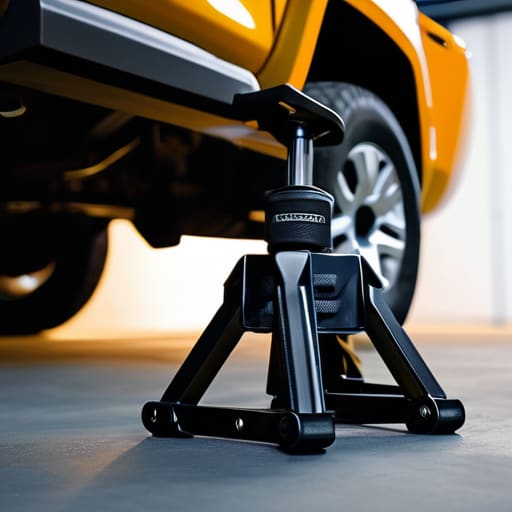
When you’re browsing the aisles at a parts store or scrolling through gear online, you’re going to see a bunch of numbers thrown around. Don’t just grab the cheapest pair because they look “sturdy enough.” You need to actually understand those weight capacity ratings before you even think about getting under the chassis. It’s not just about the weight of the car itself; you have to account for the fact that you’re lifting a massive hunk of steel that’s concentrated on specific points. If you’re working on a lightweight tuner, a basic set might do, but if you’re tackling a heavy SUV, you need heavy duty garage equipment that won’t buckle under the pressure.
I’ve seen guys try to wing it with stands that were rated for a sedan while working on a truck, and that’s how accidents happen. Always check the rating for a pair of stands, not just a single unit, because that’s how they’re usually sold and used. Whether you’re looking at ratchet vs pin style jack stands, the capacity is your absolute baseline for safety. If the math doesn’t add up, walk away from the purchase.
Ratchet vs Pin Style Jack Stands What Actually Works
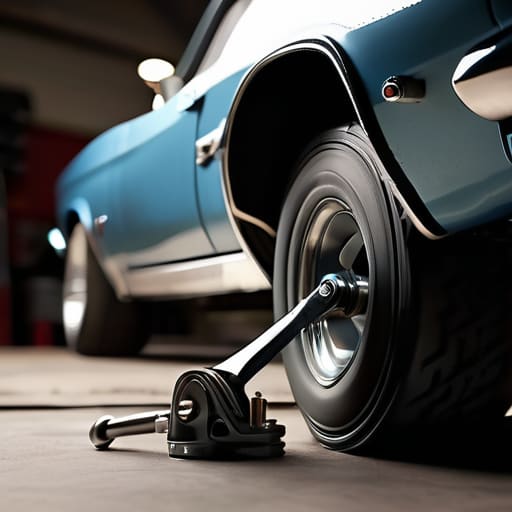
When you’re staring at a wall of options at the hardware store, you’ll mostly run into two designs: the ratchet mechanism and the classic pin style. Ratchet stands are super popular because they’re fast. You just pump the handle, and the teeth click into place. They’re great for quick turnarounds, but I’ve always been a bit wary of them. If a tooth gets bumped or if there’s a bit of debris in the mechanism, you’re playing a risky game with your vehicle support stability.
If you ask me, the pin style is the way to go if you actually care about peace of mind. You manually slide a solid steel pin into the desired height notch. There’s no mechanical “clicking” that could fail you; it’s just metal on metal. It takes a few extra seconds, but that’s a small price to pay for knowing your car isn’t going anywhere. When it comes to automotive lifting safety, I’ll take the extra effort of a pin every single time. It’s about removing as many points of failure as possible before you get under the chassis.
5 Pro Tips to Keep You From Getting Crushed
- Always, and I mean always, use jack stands. I’ve seen guys try to slide under a car held up by nothing but a hydraulic jack, and let me tell you, those seals fail without warning. A jack is for lifting; stands are for holding.
- Double-check your contact points. Don’t just shove a stand under any random piece of metal you see. Look for the reinforced pinch welds or the designated frame rails. If you hit a floor pan or a hollow part of the subframe, you’re going to punch a hole right through it.
- Get your weight distributed. If you’re pulling a heavy transmission or working on one side of the car, don’t just rely on one stand. Use two or even three if you need to stabilize the load. A wobbling car is a dangerous car.
- The “Shake Test” is non-negotiable. Once the car is up on the stands, give the bumper a firm, intentional shove. If the car feels even slightly unstable or shifts on the stands, get back under the jack and reset everything. If it doesn’t pass the shake test, it’s not safe to crawl under.
- Watch out for uneven ground. I’ve seen rookies try to set up shop on a driveway that slopes just a couple of degrees. Even a slight tilt can make a jack stand tip or slide. Find a flat, concrete spot—preferably something solid like a garage floor—before you even think about lifting.
The Bottom Line: Don't Risk It
Always double-check the weight rating on your stands against your actual vehicle weight; “close enough” is how people end up in the hospital.
Pick a style—ratchet or pin—that you actually feel confident operating, because a stand is useless if you’re too nervous to trust it.
Never, ever rely on a hydraulic jack alone to hold the car up while you’re working; the jack gets it up, but the stands keep you alive.
The Golden Rule of the Garage
Look, I’ve seen guys try to save five bucks by using whatever old, rusted-out stands they found in a corner, but let me tell you: a jack is for lifting, but a stand is for living. If you aren’t 100% sure those stands can hold your ride, stay out from under it.
Nikolai·Osterman
Don't Cut Corners on Your Safety
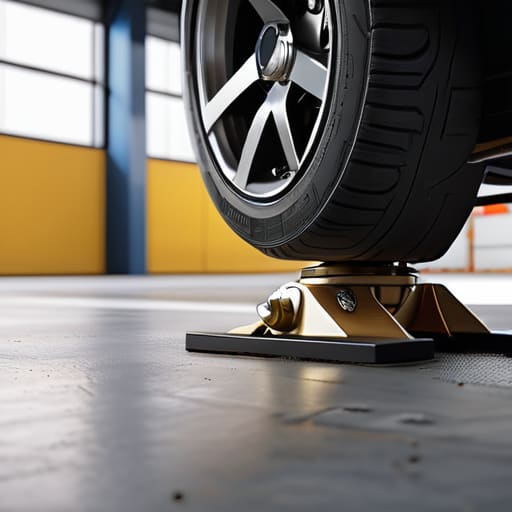
At the end of the day, picking the right jack stands comes down to two things: knowing your vehicle’s weight and choosing a mechanism you actually trust. Whether you decide to go with the quick adjustment of a ratchet style or the rock-solid stability of a pin-style stand, just make sure you aren’t playing guessing games with your equipment. Check those capacity ratings one more time, ensure your surface is level, and for the love of everything, never, ever trust a hydraulic jack to hold the weight while you’re underneath. If you follow these basics, you’re already ahead of most of the people walking into a professional shop.
I know it can feel intimidating when you’re staring at a massive hunk of steel and wondering if you’ve got the right setup, but that’s how you learn. Every time you get under a car safely, you’re building the confidence to tackle something even bigger next weekend. Don’t let the fear of making a mistake keep you from getting your hands dirty. Grab your tools, set your stands properly, and take control of your own machine. You’ve got this, and honestly, there’s no better feeling than knowing you did the work yourself without risking it all on a cheap shortcut.
Frequently Asked Questions
Is it actually safe to use jack stands on a concrete garage floor, or do I need a wood base to keep them from sinking?
If your garage floor is solid, poured concrete, you’re usually fine. Most jack stands are designed for that. But here’s the thing: if you’re working on an older slab that’s cracking or if you’re on asphalt, those small metal feet can sink or tilt, and that’s when things get sketchy. I always keep a couple of scraps of 3/4-inch plywood handy. Spreading that weight out just gives me peace of mind.
Can I mix and match different brands of jack stands, or is that asking for trouble?
Look, I’ve seen guys try to save a few bucks by grabbing whatever’s on sale, but mixing brands is asking for trouble. Every manufacturer has different tolerances and build qualities. If one stand settles differently than the other, you’re looking at an uneven load that could shift or even collapse. Just stick to one matching set. It’s not worth the risk of your car—or you—ending up on the pavement.
How do I know if I'm actually hitting the right jack point on my car without crushing a rocker panel?
Look, I’ve seen too many guys panic when they hear that sickening crunch of a crushed rocker panel. Don’t wing it. Grab your owner’s manual—it’s the only source that actually matters for your specific chassis. If you can’t find it, look for those little notches or reinforced metal ribs under the side skirts. If you’re unsure, use a floor jack to lift it slightly first, find the solid spot, and then slide your stands under.
