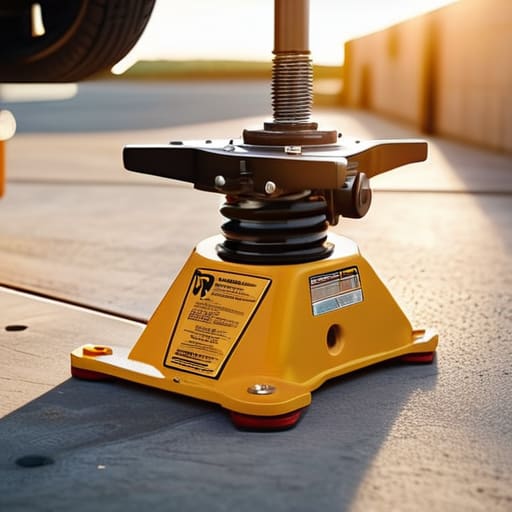
I still remember the sound of my dad’s old sedan groaning as it settled onto a cheap, rusted scissor jack in our driveway when I was ten. I was just a kid, but the way that metal shrieked made my stomach do a literal flip. Most people think car jack safety is some complex engineering problem that requires a professional certification to understand, but honestly? It’s usually just people being lazy with the equipment they already have. I’ve seen guys at the shop try to slide under a chassis held up by nothing but luck and a prayer, and it drives me absolutely insane.
Look, I’m not here to give you some textbook lecture or sell you on a thousand-dollar hydraulic lift you don’t need. I’m going to give you the straight truth about how to lift a vehicle without ending up in the emergency room. We’re going to talk about the right placement, why those little plastic jack stands are your best friends, and how to spot a piece of gear that’s about to fail before it actually does. I want you to get your hands dirty and fix your own ride, but I also want you to stay in one piece while you do it.
Table of Contents
Finding Proper Jack Placement Points Without Guessing
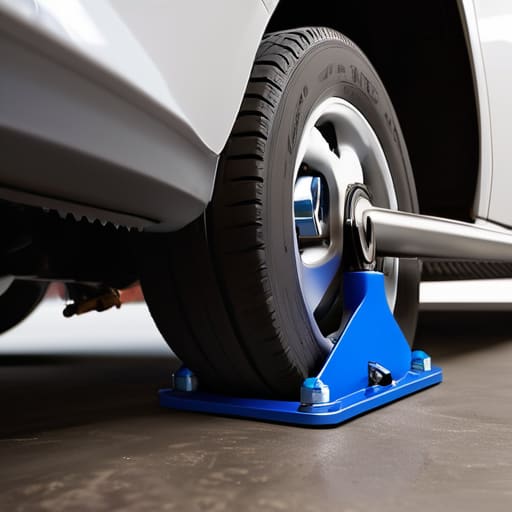
Look, the biggest mistake I see people make is just shoving the jack under whatever part of the frame looks thickest. That’s a one-way ticket to a wrecked rocker panel or, worse, a car that slides right off the lift. You need to find the actual proper jack placement points designed by the engineers who built the car. Usually, these are reinforced metal ribs or specific notches along the side sills. If you’re working on a modern sedan, check your owner’s manual—it’s not just some boring fine print; it’s literally a map of where the car is strong enough to take the pressure.
If you can’t find the manual, grab a flashlight and look for the pinch welds. You want to make sure you aren’t putting the load on a floor pan or a fuel line. Preventing vehicle slips starts with a solid foundation, so if the jack isn’t seated on a structural point, you’re basically gambling with your life. I always double-check my spot by giving the jack a tiny, careful nudge before I even think about getting my hands or my body under the chassis.
Respecting Weight Capacity Ratings to Stay Alive
Look, I’ve seen guys try to lift a heavy SUV with a cheap little jack they pulled out of a trunk during an emergency, and it’s honestly terrifying. You’ve got to actually read the weight capacity ratings stamped on the side of your equipment. If your car weighs 4,000 pounds and your jack is only rated for 2,000, you aren’t just cutting it close—you’re asking for a disaster. It doesn’t matter how steady your hands are; metal fatigue is real, and once that hydraulic seal fails, there’s no stopping it.
Don’t just assume a jack is good because it looks beefy. Part of your regular automotive lifting precautions should include checking for leaks or weird wobbles. If you’re using an old piece of gear, make sure it’s actually up to the task for the specific vehicle you’re working on. I always tell people: if the math doesn’t add up, don’t get under the car. It’s better to spend an extra twenty bucks on a heavy-duty unit than to end up in the ER because you ignored a simple number on a label.
Five Rules to Keep You From Getting Flattened
- Always, and I mean always, use jack stands. A hydraulic jack is just a tool to get the car up, not a device meant to hold it there while you’re crawling underneath. If a seal fails while you’re mid-repair, you’re done for.
- Get some wheel chocks and don’t be lazy about it. Once you lift the car, put chocks behind the tires that are still on the ground. If that car starts rolling even an inch, it’s going to knock your jack right out from under it.
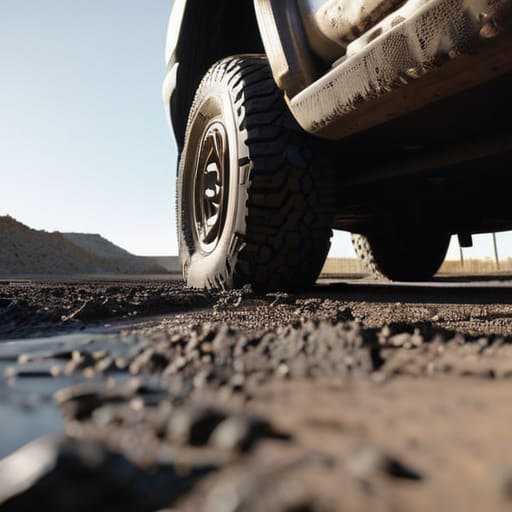
- Check your ground before you even touch the jack. If you’re on soft dirt, gravel, or even uneven asphalt, that jack can tilt or sink. Find a flat, solid surface—ideally concrete—or you’re playing a dangerous game.
- Never trust a jack that looks sketchy. If you’re using some old, rusty piece of junk you found in a neighbor’s shed, just don’t. If the lifting mechanism feels gritty or the hydraulics are leaking fluid, toss it. It’s not worth your life.
- Give the car a “shake test” before you commit. Once the car is up on the stands, give it a firm nudge from the side. If it wobbles or feels unstable, get back under it, lower it, and reset everything. If it doesn’t feel rock solid, it isn’t safe.
The Bottom Line on Staying Safe
Stop guessing where the jack goes; if you aren’t hitting a reinforced frame point or a designated jack point, you’re asking for a slip that’ll end badly.
Check your gear every single time. If that jack looks sketchy or the weight rating is too close to what your car actually weighs, leave it in the garage and don’t risk it.
Never, and I mean never, trust a jack alone to hold a car while you’re underneath it. Always slide jack stands under the frame as your backup, because mechanical failure doesn’t give warnings.
## The Golden Rule of the Garage
Look, I’ve seen guys try to save five minutes by skipping the jack stands, and let me tell you—a car doesn’t care about your schedule once it starts shifting. Never, and I mean never, put any part of your body under a vehicle that’s only held up by a hydraulic jack. That thing is a tool for lifting, not a permanent support, and if it fails, there’s no second chance.
Nikolai·Osterman
Don't Cut Corners
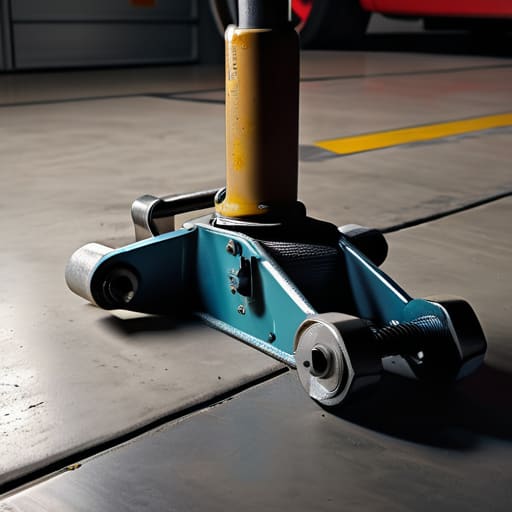
At the end of the day, keeping your car off the ground is a simple job, but it’s one you can’t afford to mess up. We’ve talked about finding those specific pinch welds or frame rails so you aren’t lifting on a piece of thin sheet metal, and we covered why you need to actually read the weight rating on your equipment instead of just assuming it’ll hold. If you skip the jack stands and try to crawl under a car supported only by a hydraulic jack, you are playing a dangerous game. Just remember: always use jack stands once that car is up. There is no shortcut that is worth a trip to the ER.
I know it can feel intimidating when you first pull a car up and realize how much heavy steel is hanging over your head. It’s easy to feel like you need a professional shop setup to be safe, but that’s just not true. If you take the time to do things the right way—the slow and steady way—you’re going to be fine. My goal isn’t just to teach you how to fix a car; it’s to make sure you’re still around to drive it once the job is done. Grab your tools, stay focused, and trust your prep work more than your luck.
Frequently Asked Questions
Is it actually safe to use the emergency jack that came with my car for more than just a flat tire?
Short answer? No. Those factory scissor jacks are designed for one thing: getting you to a service station so you can change a flat. They’re notoriously unstable and have a tiny footprint. If you try to use one to do an oil change or swap out a brake pad, you’re playing a dangerous game. If you’re doing anything more than a quick tire swap, go buy a real floor jack and some jack stands. Don’t risk it.
How do I know if my jack stands are actually rated for the weight of my specific vehicle?
Look, don’t just grab whatever’s in the corner of the garage and hope for the best. You gotta check the stamped rating on the metal itself or the manual that came with them. Then, grab your owner’s manual—find your curb weight and add a little buffer. If your car weighs 3,500 lbs, don’t use stands rated for exactly that. Aim higher. If the math doesn’t feel solid, don’t get under the car.
What should I do if I realize my jack is starting to sink or feel unstable while the car is already up?
Listen, if you feel that jack shifting or see it sinking, stop whatever you’re doing immediately. Do not try to “fix” it while you’re under the car. Get your body out from under that frame right now. Once you’re safe, lower the car slowly if you can, or slide jack stands underneath for real support. Never trust a jack to hold a load long-term; they’re for lifting, not for staying put.
