I remember sitting on my garage floor last summer, staring at a puddle of milky, sludge-looking coolant and feeling that sick pit in my stomach. My buddy told me I’d need to shell out three grand at a dealership just to look at it, but I knew better. Most shops try to make a head gasket repair sound like some high-level surgical procedure that only a guy in a clean white lab coat can handle. They see a little white smoke or a rising temp gauge and immediately start talking about total engine replacement to pad their margins. It’s a total scam, and honestly, it’s exhausting.
Look, I’m not here to give you some textbook lecture or a list of “professional recommendations.” I’m going to show you how to actually get your hands dirty and tackle this job without losing your mind or your entire savings account. I’ll walk you through the real-world grit of a head gasket repair, from the specific torque specs you can’t afford to mess up to the little tricks I use to keep my bolts from snapping. We’re going to do this right, the honest way.
Table of Contents
Watch for These Engine Coolant Leak Symptoms
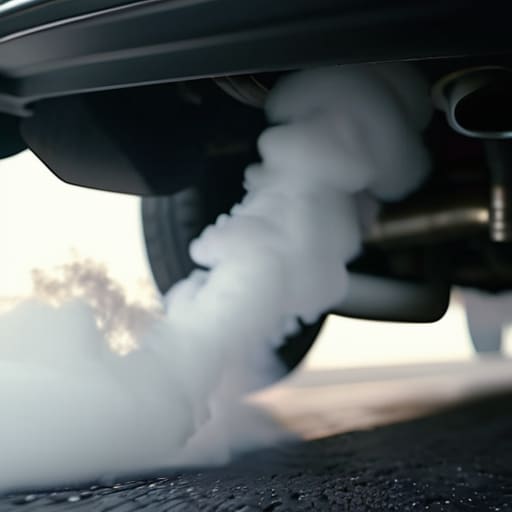
The first thing you’ll probably notice isn’t a massive puddle on your driveway, but a weird, sweet smell wafting through your vents while you’re driving. That’s a dead giveaway for engine coolant leak symptoms. If you catch it early, you might just be looking at a cracked hose, but if that sweet scent is accompanied by white, billowy smoke coming out of your exhaust, you’re likely dealing with something much heavier. That smoke is usually steam, meaning your coolant is getting cooked inside the engine where it doesn’t belong.
Keep a close eye on your temp gauge, too. If it starts creeping toward the red zone even when you aren’t pushing the car hard, you’re looking at a potential cooling system failure. Another huge red flag is finding “milky” looking oil on your dipstick. If your oil looks like a chocolate milkshake, it means coolant is mixing with your lube, which is a massive warning sign of a blown gasket. Don’t ignore these cues; catching them before the engine overheats completely can save you from a much more expensive nightmare.
Is Combustion Gas in Coolant Ruining Your Day

If you’ve ever popped your radiator cap (when the engine is cold, obviously) and seen a bunch of bubbles dancing around like your coolant is carbonated, you’ve got a problem. That’s a classic sign of combustion gas in coolant leaking into your cooling system. Basically, the seal that’s supposed to keep the fire in the cylinders and the liquid in the passages has failed. It’s not just a minor annoyance; it’s a direct indicator that your engine’s internal pressure is fighting against your cooling system, which can lead to a total cooling system failure if you keep driving.
Once those gases get in there, they don’t just sit there; they displace the fluid and create air pockets. This means your engine can’t regulate its temperature properly, even if your gauge looks fine for a few minutes. If you start noticing a sweet, milky sludge under the oil cap or a sudden drop in pressure, don’t ignore it. These are major signs of a blown head gasket that require you to stop immediately. You’re looking at more than just a leak; you’re looking at a breakdown of the engine’s core integrity.
Pro Tips to Keep Your Head Gasket Job from Turning Into a Nightmare
- Don’t skip the surface prep; if there’s even a tiny bit of old gasket material or crust left on the engine block, your new seal is going to fail before you even turn the key.
- Grab a torque wrench and actually use it—tightening head bolts by “feel” is a one-way ticket to a warped head and a wasted afternoon.
- Always check your cylinder head for cracks or warping before you even think about putting the new gasket on; there’s no point in a perfect install if the metal itself is shot.
- Keep your workspace organized with a magnetic tray—you do not want to be hunting for a specific bolt in a pile of grease while you’re halfway through a teardown.
- When you’re putting it all back together, make sure you follow the specific tightening sequence in your manual; doing it out of order can bend the head and ruin everything.
The Bottom Line on Your Head Gasket
Don’t ignore the milky residue in your oil or the sweet smell of coolant; by the time you see those signs, the damage is already moving fast.
You don’t necessarily need a master mechanic to fix this, but you absolutely need a decent torque wrench and a clean workspace to get it right.
Catching a small leak early can save you from a total engine meltdown and a repair bill that’ll cost more than the car is worth.
## The Reality of the Repair
“A blown head gasket sounds like a death sentence for your engine, and shops will definitely try to sell it to you that way, but honestly? It’s just a massive, messy puzzle of bolts and torque specs. If you’ve got the patience to stay organized and the right socket set, you can save yourself a couple of grand and do it right yourself.”
Nikolai·Osterman
Don't Let It Beat You
Look, I know seeing milky coolant or finding combustion gases in your reservoir feels like a punch to the gut. It’s easy to assume your engine is basically a paperweight at that point, but remember what we covered: spotting those leaks early and understanding the symptoms can be the difference between a weekend project and a total engine replacement. If you’ve checked your fluids and confirmed the head gasket is the culprit, you’ve already done the hardest part, which is diagnosing the truth. It’s not about magic; it’s just about recognizing the signs and not ignoring that sweet smell of burning coolant before things get catastrophic.
At the end of the day, a head gasket repair is a heavy lift, but it’s far from impossible. You might spend a few hours sweating over a torque wrench or fighting with a stubborn bolt, but there is nothing quite like the feeling of turning the key and hearing that engine purr back to life because you were the one who fixed it. Don’t let the big shops intimidate you into thinking you aren’t capable. Grab your tools, keep your workspace organized, and just take it one step at a time. You’ve got this.
Frequently Asked Questions
Can I actually fix this with a head gasket sealer, or am I just wasting my money?
Look, I’ll be straight with you: most of the time, you’re just throwing money down the drain. Those sealers are basically a Hail Mary. If you’ve got a tiny, microscopic weep, maybe you’ll get lucky and buy yourself some time. But if you’ve actually got combustion gases bubbling in your coolant like we talked about, that sealer isn’t going to hold. Don’t waste your cash trying to patch a wound that needs stitches.
How do I know if I need to replace the whole gasket or if it's just a minor issue with a hose or the water pump?
Look, don’t jump straight to the worst-case scenario. If you see coolant pooling on the ground, check your hoses and the water pump first—those are easy, cheap fixes. But if you’re seeing white smoke from the exhaust or your oil looks like a chocolate milkshake, that’s your head gasket screaming for help. A leaking hose is just a nuisance; a blown gasket is a whole different beast that requires getting into the engine.
Is it worth trying to do this myself, or am I going to end up making things way worse?
Look, I’ll be straight with you: a head gasket isn’t a weekend oil change. It’s a heavy lift that requires precision and a lot of patience. If you’re someone who follows instructions to a T and has a decent set of torque wrenches, you can absolutely do this and save a massive chunk of change. But if you tend to rush or “wing it,” you might turn a repair into a total engine replacement. Take it slow.
