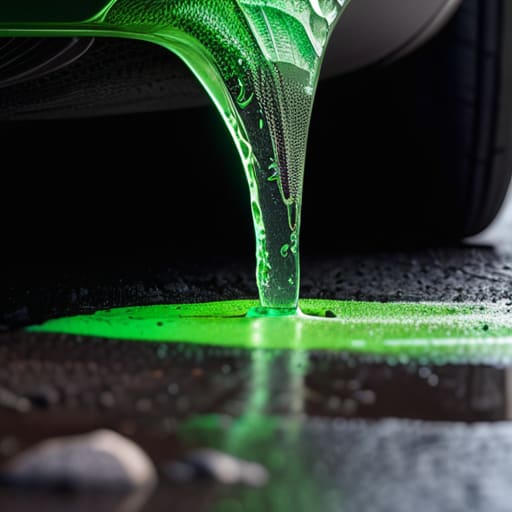
I remember being ten years old, helping my dad in the garage, when the sweet, sickly smell of hot antifreeze suddenly hit my nose. We both looked down and saw that telltale neon puddle spreading under the chassis. Most people see an engine coolant leak and immediately think they need to drop a massive paycheck at a dealership for a “complete cooling system overhaul.” That’s exactly the kind of nonsense I hate. You don’t always need a brand-new radiator or a specialized technician to solve the problem; sometimes, you just need to find the one cracked hose or loose clamp that’s causing the headache.
I’m not here to sell you on expensive parts you don’t need or drown you in technical jargon that sounds like a textbook. My goal is to give you the straight truth about what’s actually happening under your hood. I’m going to walk you through how to spot the signs, identify the source, and hopefully, get you back on the road without getting ripped off by a mechanic. Let’s get to work.
Table of Contents
- Watch for Antifreeze Residue on Your Driveway
- Trust Your Senses Coolant Color and Smell
- Five Ways to Track Down the Leak Before It Kills Your Engine
- The Bottom Line: Don't Ignore the Signs
- ## Don't Let a Small Leak Turn Into a Big Bill
- Don't Let a Small Leak Become a Big Headache
- Frequently Asked Questions
Watch for Antifreeze Residue on Your Driveway
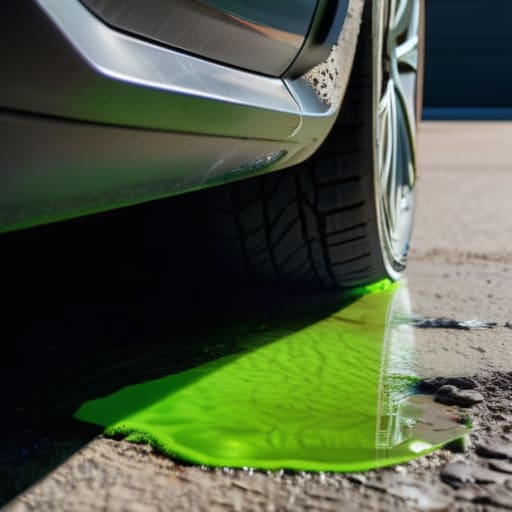
One of the easiest ways to catch a problem before it turns into a massive repair bill is to simply look down when you walk out to your car in the morning. If you notice any antifreeze residue on your driveway, you’re already in the early stages of a leak. Unlike oil, which is usually dark and thick, coolant leaves behind a distinct, almost sugary-smelling puddle. Depending on what your car uses, you might see bright neon green, orange, or even pink spots. If those spots look crusty or chalky around the edges, that’s a dead giveaway that the fluid has been evaporating off the hot engine after a drip.
Pay close attention to the coolant color and smell when you spot these patches. If the fluid looks milky or like a thick milkshake, stop driving immediately—that’s a major red flag for head gasket failure symptoms. A simple drip from a hose is one thing, but anything that looks contaminated usually means the leak is happening internally, which is a much bigger headache. Just keep an eye on those spots; catching a small drip now saves you from a total breakdown later.
Trust Your Senses Coolant Color and Smell

If you can’t find a puddle on the ground, start using your nose. One of the biggest giveaways is a sweet, sickly scent wafting through your vents or from under the hood once the car warms up. That’s not just “old car smell”—it’s the distinct aroma of burning antifreeze. If you catch that scent while sitting in traffic, keep a close eye on your engine temperature gauge fluctuations. If that needle starts climbing toward the red while you’re smelling something sweet, you aren’t just dealing with a minor drip; you’re looking at a serious issue that could lead to major engine damage if you keep driving.
Next, pop the hood (when the engine is cool, obviously) and look at the fluid itself. Healthy coolant should be bright and translucent, but if it looks like muddy chocolate milk, stop right there. That’s a classic red flag for head gasket failure symptoms, meaning oil and coolant are mixing where they shouldn’t. Even if it just looks slightly discolored or murky, it’s a sign your chemistry is off. Trust your gut—if the liquid looks wrong or smells like candy, your cooling system is trying to tell you something.
Five Ways to Track Down the Leak Before It Kills Your Engine
- Keep a close eye on your temp gauge. If that needle starts creeping toward the red zone while you’re just sitting at a stoplight, you’ve got a leak that’s actually affecting your engine’s temperature, not just a slow drip on the driveway.
- Check your coolant reservoir level every time you fuel up. If you find yourself topping it off every single week, you aren’t just “using” coolant—you’ve got a leak somewhere, and it’s only a matter of time before it gets worse.
- Grab a flashlight and look for “crusty” spots. Coolant dries into a weird, chalky residue. If you see white or bright colored crust around your hose connections or the radiator cap, that’s your smoking gun right there.
- Inspect your hoses for any signs of swelling or soft spots. If a hose feels squishy or looks like it’s bulging under pressure, it’s about to blow. Don’t wait for it to happen mid-highway; just swap it out.
- Look for the “wet” look around the water pump. If the area around the drive belts looks constantly damp or has fresh drips, your water pump seal is likely shot, and that’s a fix you want to catch before it leaves you stranded.
The Bottom Line: Don't Ignore the Signs
If you spot a puddle or smell that weirdly sweet scent, don’t just drive over it—check your coolant levels immediately before you turn a small leak into a blown head gasket.
Use your eyes and nose; a change in the color of your fluid or a bright residue on the ground is the fastest way to catch a problem before it leaves you stranded.
Most coolant leaks are fixable without spending a fortune at a shop, but you’ve got to be proactive about catching them while they’re still minor issues.
## Don't Let a Small Leak Turn Into a Big Bill
“Look, a coolant leak isn’t some mysterious engine failure—it’s usually just a tired hose or a loose clamp. If you catch it while it’s just a little puddle, you’re looking at a cheap fix; if you ignore it until your temp gauge hits the red, you’re looking at a whole new engine and a massive repair bill.”
Nikolai·Osterman
Don't Let a Small Leak Become a Big Headache
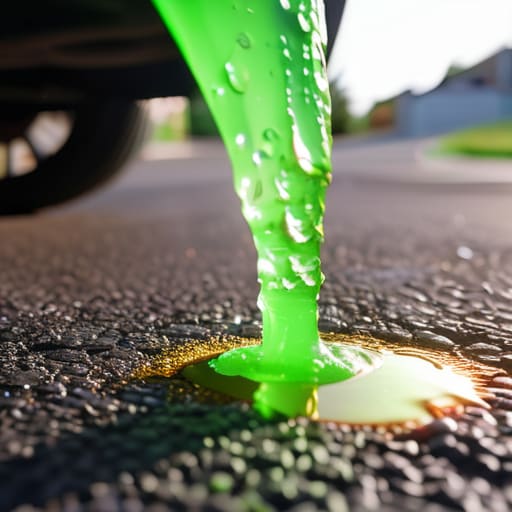
Look, catching a coolant leak early is the difference between a quick fix on a Saturday afternoon and a massive repair bill for a blown head gasket. Just remember to keep your eyes peeled for those bright puddles on the driveway and don’t ignore that weird, sweet smell wafting through your vents. Whether it’s a cracked hose or a failing water pump, paying attention to the small stuff is what keeps your car on the road. If you notice the color looking murky or the level dropping in the reservoir, don’t wait for the temperature needle to hit the red zone before you decide to do something about it.
At the end of the day, I don’t want you to feel intimidated by what’s happening under your hood. Most of the time, these issues are just a matter of finding the right part and getting a little bit of grease on your hands. You don’t need to be a master technician to take care of your own machine; you just need to be observant and a little bit stubborn. Keep learning, keep tinkering, and remember that you’re more than capable of handling it. Once you get the hang of these basics, you’ll realize that you’re the one in control of your car’s longevity, not some overpriced shop.
Frequently Asked Questions
Can I still drive my car if the coolant level is just a little bit low, or am I asking for a blown head gasket?
Look, I get the temptation to just keep pushing, but don’t gamble with your engine. If it’s just a tiny drop below the “min” line, you’re probably fine for a quick trip to the shop, but you need to top it off immediately. If the level is visibly dropping, stop driving. Running low causes heat spikes that’ll turn a simple leak into a blown head gasket real fast, and that’s a repair you definitely don’t want.
Is it safe to open the radiator cap while the engine is still warm, or am I going to get burned?
Absolutely not. Do not even think about touching that cap if the engine is warm. You’re asking for a one-way ticket to a serious burn. When the engine’s hot, the system is under massive pressure, and that coolant is basically boiling. If you crack that cap, it’ll spray scalding liquid everywhere like a geyser. Wait until the engine is completely cold to the touch—seriously, give it a few hours—before you try to peek inside.
How do I tell the difference between a coolant leak and a transmission fluid leak if they both look similar under the car?
It’s easy to get them mixed up since both can look like oily puddles, but here’s the trick: grab a paper towel. Coolant usually feels a bit more watery and has a distinct, almost sickly-sweet smell that hits you immediately. Transmission fluid is much thicker, feels more like oil, and usually has a heavier, burnt scent. If it’s bright green or pink, it’s definitely coolant. If it’s dark red or brown, check your transmission.
