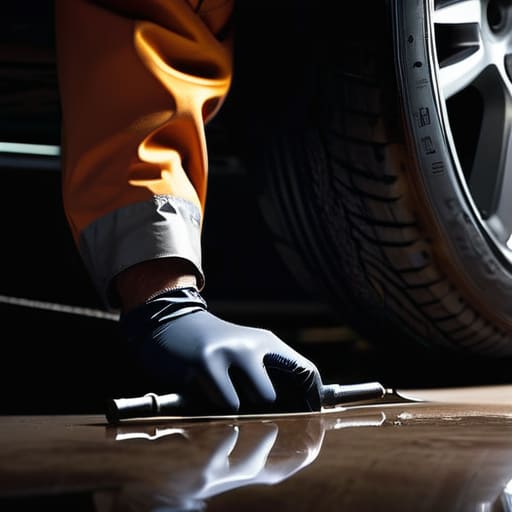
I remember watching a buddy of mine get quoted a thousand bucks just to have a shop technician drain transmission fluid and swap out a filter. He was staring at the invoice like it was a death sentence, but I knew better. Most shops will try to tell you that a fluid service is some high-level, specialized procedure that requires a computer and a degree, but that’s just total nonsense designed to pad their margins. Honestly, if you can handle a socket wrench and don’t mind getting a little bit of grime on your hands, you’re already halfway there.
In this guide, I’m going to strip away all the technical jargon and show you exactly how to get it done yourself. I’ll walk you through the real-world steps to drain transmission fluid without making a massive mess on your driveway or stripping a bolt. No fluff, no overpriced shop recommendations—just the straight truth on the tools you actually need and the common mistakes that’ll leave you stranded if you aren’t careful. Let’s get under the car and get to work.
Table of Contents
Guide Overview
Tools & Supplies
- Socket wrench set and extensions to remove the drain plug
- Drain pan to catch the old fluid
- Funnel to prevent spills during refill
- Jack and jack stands for vehicle lifting
- New transmission fluid (refer to owner's manual for exact type and amount)
- Replacement drain plug washer/gasket to prevent leaks
- Nitrile gloves for hand protection
- Rags or paper towels for cleanup
Step-by-Step Instructions
- 1. First things first, you gotta get the car up and stable. Don’t even think about crawling under there if you’re just using a jack; you need jack stands to keep that heavy metal from crushing you. Once the car is solid, find your drain plug—it’s usually on the bottom of the transmission pan, not the oil pan (don’t mix those two up or you’re gonna have a very bad day).
- 2. Grab a drain pan that’s actually big enough. Transmission fluid comes out faster and with more pressure than oil, so if your pan is too small, you’re gonna end up with a massive mess all over your driveway. Position the pan directly under the plug, then use your wrench to loosen it. I usually start by loosening it by hand just to make sure I’m not cross-threading anything before I go full force with the tool.
- 3. Once the plug is loose, pull it away quickly but carefully. The fluid is going to start flowing immediately, so don’t be surprised if it splashes a bit. While it’s draining, take a second to look at the fluid in the pan. If it looks like dark chocolate syrup or smells burnt, that’s a sign your clutches might be slipping, and you might have a bigger problem than just a simple fluid change.
- 4. While the rest of the old junk is trickling out, grab a magnet or a clean rag and check the drain plug itself. Sometimes there’s a little magnet built into the plug to catch metal shavings, which is normal, but if you see chunks of metal looking like glitter, your transmission is likely toast. If it just looks like fine gray dust, you’re probably good to go.
- 5. Once the flow slows down to a tiny drip, wipe the area around the drain hole clean. You don’t want any grit or dirt falling into the transmission when you close it up. Thread the plug back in by hand first—this is super important to ensure you don’t strip the threads—and then give it a firm snug with your wrench. Don’t go gorilla mode on it; just get it tight enough so it won’t leak.
- 6. Now you gotta refill it, but don’t just dump it all in at once. Check your owner’s manual for the exact type of fluid your car needs—using the wrong spec is the fastest way to ruin a transmission. Use a funnel with a long neck to pour the new fluid into the fill hole, which is usually located under the hood or near the side of the transmission.
- 7. Finally, check your levels. Start the engine, let it idle for a minute, and shift through the gears (Park to Drive, Drive to Reverse) while keeping your foot on the brake. This helps the new fluid circulate through the whole system. Check the dipstick (if your car has one) or the level plug to make sure you aren’t running low, and you’re officially done.
Reading the Signs Transmission Fluid Color and Smell
Before you even think about grabbing your tools, you need to know if you’re actually due for a change or if something is seriously wrong. I always tell people to start with a quick transmission dipstick check while the engine is warm. If the fluid looks bright red or even a light pink, you’re usually in the clear. But if it looks like dark coffee or even has a milky, frothy appearance, that’s a massive red flag. That milky look usually means coolant has leaked into your system, and no amount of DIY maintenance is going to fix a blown head gasket or a failed cooler.
The scent is just as important as the look. Healthy fluid shouldn’t really have a heavy odor, but if you pull that dipstick and it smells burnt or acrid, stop right there. That’s a sign that your internal clutches are likely slipping and generating too much heat. While following the right automatic transmission maintenance steps can extend the life of your gearset, burnt fluid often means the damage is already done. Don’t just ignore a bad smell; it’s your car’s way of telling you that a simple fluid swap might not be enough.
Finding the Truth Your Drain Plug Location and Atf Specifications
Before you even think about getting under the car, you need to know exactly what you’re dealing with. Not every rig is the same, and if you grab the wrong stuff, you’re looking at a massive repair bill you didn’t need. You have to double-check your ATF specifications in the owner’s manual or even on the dipstick itself. I’ve seen guys try to save a few bucks by using generic fluid, only to find out their transmission is super picky about the additives. Don’t wing it; get the exact spec for your specific make and model.
Next, you’ve got to scout out your drain plug location before you get covered in oil. On some older cars, it’s right there on the pan, easy as pie. On newer, sensor-heavy setups, it might be tucked behind a plastic shield or require a specific wrench. While you’re down there, take a second to do a quick transmission dipstick check once you’ve refilled everything. It’s the best way to make sure you didn’t leave the system running low, which is a rookie mistake that’ll kill your gears fast.
Pro Tips to Keep You From Making a Mess (or a Mistake)
- Don’t just wing it on the fluid type; check your owner’s manual or the dipstick for the exact ATF spec. Using the wrong stuff is a fast track to a trashed transmission.
- Get your hands on a drain pan that’s actually bigger than you think you’ll need. Once that plug comes out, the fluid hits fast, and you don’t want it pooling all over your driveway.
- Keep a pair of nitrile gloves on. Transmission fluid is nasty, smells like hell, and you really don’t want that grime soaking into your skin while you’re working.
- Make sure the car is warm, but not scalding. If the fluid is lukewarm, it flows out way smoother and carries more of the tiny metal shavings and grit with it.
- Always double-check that your drain plug is seated right and torqued down before you start pouring the new fluid in. There’s nothing worse than finishing the job only to see a fresh puddle underneath.
The Bottom Line
Don’t let a shop scare you into a full transmission flush if your fluid just needs a simple drain and fill; most of the time, fresh fluid is all you really need.
Always double-check your owner’s manual for the exact ATF spec before you pour anything in, because putting the wrong stuff in a modern sensor-heavy transmission is a fast way to a massive repair bill.
Keep your workspace clean and use a proper drain pan—nothing ruins a good DIY afternoon faster than a mess of red fluid soaking into your driveway.
The Real Cost of Neglect
Most shops will try to sell you a whole new transmission when all your car actually needed was a simple fluid swap and a clean filter. Don’t let them scare you into a thousand-dollar bill; if your fluid looks like burnt coffee, just get under there and swap it out before it’s too late.
Nikolai·Osterman
Don't Let Them Overcharge You
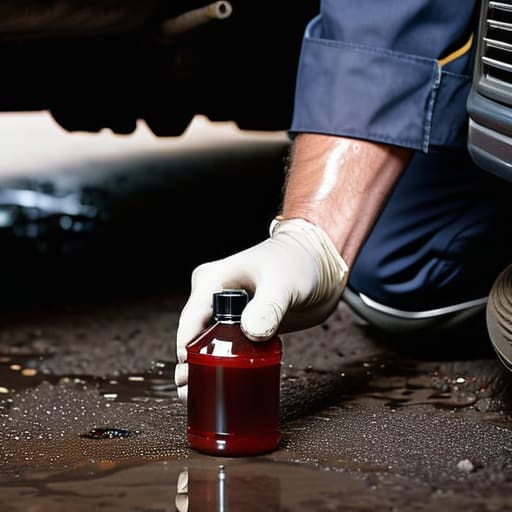
Look, once you’ve checked that fluid color, matched the exact ATF specs for your specific make and model, and successfully drained that old, burnt sludge out, you’ve already done the hard part. It’s not about being a master mechanic; it’s just about not being lazy and actually paying attention to what your car is telling you. You’ve avoided the massive headache of a slipping transmission by simply taking thirty minutes to do a basic maintenance task that most shops would charge you a premium for. Just remember to double-check that your drain plug is seated tight and your fluid levels are right where they need to be before you head out on the road.
At the end of the day, my goal is to make sure you feel more confident every time you pop that hood. There’s a certain kind of satisfaction you get from knowing your car is running smooth because you took care of it, not because some guy in a clean uniform told you to. Don’t let the complexity of modern engines intimidate you into thinking you’re helpless. Grab your tools, keep your workspace clean, and just keep learning. Once you get the hang of the small stuff, the big repairs won’t seem nearly as scary.
Frequently Asked Questions
If I drain the fluid, do I need to do a full flush with a machine or is just a simple drain and fill enough?
Look, honestly? For most of the cars I work on, a simple drain and fill is plenty. A machine flush sounds fancy, but it can actually be risky—it can dislodge gunk that clogs up your valve body. If your fluid just looks a little dark, just swap it out. Only worry about a full flush if you’re dealing with serious slipping or if the car’s been neglected for years. Stick to the basics.
How much new fluid should I actually buy to make sure I don't run dry halfway through the job?
Look, don’t just eyeball it. If you buy exactly what the manual says, you’re probably going to end up short. I always grab two or three extra quarts more than the spec calls for. It’s better to have a little left over in the garage than to be sitting there with a half-drained pan and an empty bottle. Trust me, running dry mid-job is a nightmare you don’t want.
Is it okay to just use whatever generic ATF is on the shelf, or am I going to wreck my transmission if I don't find the exact spec?
Look, I’ve seen guys try to save twenty bucks by grabbing whatever red bottle is on sale, and it never ends well. Don’t do that. Modern transmissions are basically computers controlled by hydraulics; if the viscosity or additive package is even slightly off, you’re asking for slipping gears or burnt clutches. Check your owner’s manual or the dipstick for the exact spec. It’s not worth wrecking your whole transmission just to save a little cash.
