I remember sitting on a cold concrete floor last Tuesday, watching a customer’s face go pale as the service advisor quoted him two grand for a “mandatory” transmission fluid flush. It’s the same old story: shops see a little hesitation in your gear shifts and immediately try to drain your bank account instead of just fixing the problem. Honestly, it drives me crazy how some places treat a routine transmission fluid flush like it’s some kind of high-tech miracle surgery that only a specialist can touch.
Look, I’m not here to sell you on some expensive shop package or give you a textbook lecture. My goal is to give you the straight truth about what’s actually happening inside your gearbox and when you actually need to step in. I’ll show you how to tell if your fluid is actually shot or if you’re being played, and I’ll walk you through the process so you can handle it yourself. You don’t need a master technician’s certification to take control of your own maintenance; you just need the right info and a bit of grit.
Table of Contents
How to Spot the Signs of Old Transmission Fluid
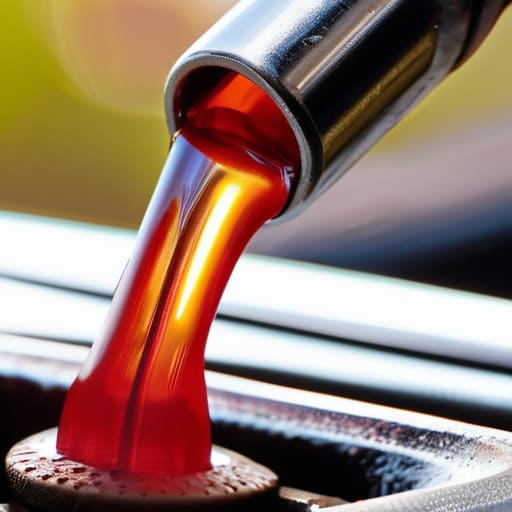
The easiest way to tell if your fluid is toast is to pull the dipstick and actually look at it. If it looks like bright, translucent red cherry juice, you’re usually in the clear. But if it’s come out looking like dark coffee or even burnt toast, that’s a massive red flag. You might also notice a heavy, acrid smell—that’s the scent of friction and heat, which means your fluid has lost its ability to protect your gears.
Beyond just the color, pay attention to how the car actually feels when you’re driving. If you notice the engine revving up but the car isn’t moving immediately, or if you feel a nasty shudder when shifting from park to drive, you’re seeing the signs of old transmission fluid in real-time. Sometimes it’s a slow slip, and other times it’s a violent jerk that makes you wince. If your gear changes aren’t smooth anymore, don’t just ignore it; that’s your car telling you that your automatic transmission maintenance has been neglected for far too long.
Transmission Fluid vs Gear Oil Know the Difference
Look, I’ve seen guys at the shop grab a bottle of gear oil for an automatic, and that’s a one-way ticket to a massive repair bill. It’s a common mistake, but you’ve gotta know that transmission fluid vs gear oil isn’t just a minor detail—it’s everything. Transmission fluid is designed to handle the complex hydraulic pressures and friction inside an automatic system, acting as both a lubricant and a way to shift gears. Gear oil, on the other hand, is much thicker and is meant for manual gearboxes or differentials where you don’t have those intricate valve bodies to worry about.
If you try to swap them, you’re basically asking for your transmission to shred itself from the inside out. When you’re looking into preventative gearbox care, you have to be specific about what your owner’s manual calls for. Whether you’re doing a simple drain and fill or a more thorough service, using the wrong spec is a rookie mistake that can turn a cheap maintenance job into a total replacement.
5 Things I Wish I Knew Before I Touched My Transmission
- Don’t just drain and fill if you’re planning a full flush; most of the old, nasty fluid stays trapped in the torque converter, so you need to make sure you’re actually cycling the new stuff through the whole system.
- Check your owner’s manual before you go rogue with a shop kit—some modern transmissions are super sensitive to fluid types, and if you put the wrong spec in, you’re basically asking for a massive repair bill.
- Keep a close eye on the color during the process; if the fluid coming out looks like burnt coffee or has tiny metal flakes floating in it, stop immediately because that’s a sign your internals are already toast.
- Grab a decent drain pan and a funnel that actually fits—trust me, there is nothing more frustrating than trying to clean up spilled ATF in a driveway while you’re halfway through a job.
- Don’t skip the level check once everything is warmed up; transmission fluid expands when it gets hot, so you’ve got to check it at the right temperature to make sure you haven’t overfilled it or left it running dry.
The Bottom Line on Your Transmission
Stop waiting for the “Check Engine” light; if your shifts feel sluggish or the fluid looks like burnt coffee, you need to act before you’re looking at a total rebuild.
Don’t get intimidated by the jargon—a fluid flush isn’t some high-level surgery, it’s just a routine maintenance task that keeps your gears from grinding themselves to death.
Always double-check your owner’s manual for the specific fluid type your car needs, because using the wrong stuff is the fastest way to turn a cheap DIY job into a massive headache.
## Stop Ignoring the Smell
“If your fluid looks like burnt coffee and smells like a bonfire, don’t wait for the shop to tell you it’s time for a rebuild. A simple flush is a lot cheaper than a new transmission, and honestly, it’s one of those jobs you can knock out yourself if you’ve got the right tools and a little patience.”
Nikolai·Osterman
Don't Wait for the Warning Lights
Look, at the end of the day, keeping your transmission healthy isn’t some high-level mystery. You just need to know how to spot that burnt smell, understand that gear oil and transmission fluid are definitely not interchangeable, and keep an eye on how your car shifts. If you’re noticing slips or delayed engagement, don’t just ignore it and hope it goes away. A simple fluid flush is one of the cheapest ways to prevent a massive, multi-thousand dollar repair bill down the road. Most of the time, it’s just about staying ahead of the wear and tear before it turns into a total mechanical nightmare.
I know it can feel intimidating when you first pop the hood and see a mess of hoses and sensors, but don’t let that stop you. You don’t need to be a master technician to take control of your own machine. Grab your tools, take your time, and remember that every time you do a job yourself, you’re learning something new and saving yourself from getting ripped off. Your car is an investment, so treat it like one. Once you get the hang of these basics, you’ll realize that you’ve got this.
Frequently Asked Questions
Is it actually safe to flush my transmission if it's already got high mileage, or am I just asking for trouble?
Look, I get why you’re nervous. There’s this old-school rule that if you touch a high-mileage transmission, it’ll die immediately. Honestly? That’s mostly a myth, but there’s a catch. If your fluid is nasty, a high-pressure flush can dislodge gunk that was actually helping your worn-out clutches grab. My advice: don’t do a high-pressure flush on a neglected rig. Just do a simple drain and fill. It’s safer and gets the job done without the risk.
Do I really need to do a full machine flush, or is a simple drain and fill enough to get the job done?
Look, don’t let anyone pressure you into a massive machine flush right away. Honestly, if your fluid is just looking a bit dark, a simple drain and fill is usually plenty. Those machines can sometimes be too aggressive and actually kick up old debris that clogs your valve body. I usually stick to a drain and fill to keep things safe. If you’re really worried, just do a few of those over a few months.
How do I know if I should be using a standard ATF or if my car requires a specific synthetic blend?
Look, don’t ever guess on this. If you grab the wrong fluid, you’re asking for a massive repair bill. The only way to know for sure is to check your owner’s manual or look at the dipstick—it usually has the spec stamped right on it. Most modern cars are super picky about synthetic blends because of those complex valve bodies. If it calls for a specific spec, stick to it. Don’t let a “universal” bottle trick you.
