I was working on a buddy’s old Silvia last weekend, and the guy was ready to drop a grand at the dealership because his car was stumbling and dying at stoplights. He was convinced he needed a whole new fuel pump assembly and a tank flush, but I just grabbed my pressure gauge and checked the lines. Turns out, his fuel pressure regulator was shot—a part that costs next to nothing and takes maybe twenty minutes to swap out if you know where to look. It kills me seeing people get talked into massive repair bills for something that’s basically just a simple valve doing its job.
I’m not here to give you some textbook lecture or sell you on expensive diagnostic software you don’t need. My goal is to show you how to spot a failing fuel pressure regulator using basic tools and a bit of logic, so you can stop guessing and start fixing. I’ll walk you through the actual symptoms, how to test it yourself, and how to avoid getting ripped off by shops that see a DIYer coming. Let’s get under the hood and figure this out.
Table of Contents
Spotting the Signs of Failing Fuel Regulator
You don’t always need a high-end scanner to know something is off with your fuel delivery. Usually, your car will start throwing hints before it leaves you stranded. The most common signs of failing fuel regulator units show up as a rough idle or a sudden, unexplained loss of power when you step on the gas. If you’re cruising down the highway and the engine feels like it’s stumbling or hesitating, you might be dealing with inconsistent pressure. Sometimes, it’s even as simple as a strong smell of raw gas around the engine bay, which usually means the internal diaphragm has ripped and is leaking fuel directly into the vacuum line.
Another thing to watch for is how your car handles under load. If you notice your RPMs jumping around or if the engine feels sluggish despite having plenty of air, you’re likely looking at a breakdown in engine performance and fuel pressure balance. It’s frustrating, but catching these symptoms early saves you from a much bigger headache later. Instead of just replacing parts blindly, pay attention to how the car reacts when you’re accelerating; that’s usually where the truth comes out.
How Engine Performance and Fuel Pressure Are Linked
Think of your engine like a person trying to run a marathon; if they can’t breathe right, they’re going to crash. It’s the exact same deal with your automotive fuel delivery system. The engine needs a very specific amount of gas hitting the cylinders at the exact right moment to create that combustion explosion. If the pressure is too low, the engine starves and feels sluggish, like it’s dragging an anchor. If it’s too high, you’re basically flooding the party, which leads to wasted gas and a nasty smell.
This delicate balance is why engine performance and fuel pressure are so tightly linked. When the regulator isn’t maintaining that “sweet spot,” your car’s computer starts panicking, trying to compensate for the weird readings. You might see your idle hunting up and down or notice a massive drop in power when you step on it. It’s not always a massive mechanical failure, either; sometimes it’s just a small fluctuation in pressure that throws the whole system out of whack. Once you realize how much the consistency of the flow matters, you’ll stop blaming the spark plugs for everything.
Pro Tips for Dealing with Fuel Pressure Regulators
- Don’t just swap it blindly; always check your fuel filter first. I’ve seen guys spend a whole afternoon replacing a regulator only to realize the filter was the real bottleneck all along.
- Keep an eye on your vacuum line. If you see actual liquid fuel inside the vacuum hose connected to the regulator, that’s a dead giveaway that the internal diaphragm has ripped.
- Grab a decent fuel pressure gauge before you start tearing things apart. Guessing based on how the car “feels” is how you end up wasting money on parts you didn’t actually need.
- Check your fuel trims with an OBD2 scanner if you can. If you see high positive fuel trims, your regulator might be letting too much pressure drop, forcing the ECU to overcompensate.
- When you’re replacing the unit, make sure you’re using the right torque specs on the fuel rail. It’s easy to get impatient and over-tighten, but you don’t want to crack a rail or blow a seal on your first test drive.
The Bottom Line on Your Fuel Pressure
If your car is stumbling or acting like it’s starving for gas, don’t just throw parts at it; test the regulator first to see if it’s actually holding pressure.
A bad regulator isn’t just a performance killer—it can wreck your fuel economy and even mess with your engine sensors, so don’t ignore the warning signs.
You don’t need a master tech to diagnose this; grab a pressure gauge, get a reading, and stop letting shops charge you for “mystery” engine issues.
The Truth About Your Fuel Pressure
A mechanic might try to tell you that you need a whole new fuel pump assembly just because your car’s stumbling, but before you drop a grand, check that regulator. If it’s not holding steady, you’re just throwing money at a symptom instead of fixing the actual problem.
Nikolai·Osterman
Don't Get Stumped by Your Fuel System
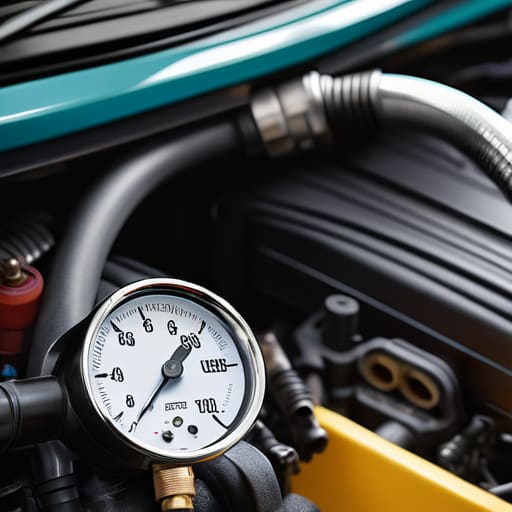
At the end of the day, your fuel pressure regulator is just another component that needs a little attention to keep things smooth. We’ve covered how to spot those annoying symptoms—like stalling, rough idling, or that sudden loss of power—and why keeping that pressure steady is the only way your engine stays happy. If you’ve noticed your car acting up, don’t just assume it’s some massive, expensive failure. Most of the time, it’s just a matter of testing the pressure and realizing you can handle the fix yourself without handing over a stack of cash at the dealership.
I know it can feel intimidating when you’re staring at a complex engine bay, but remember that every master tech started exactly where you are. You don’t need a fancy certification to understand how your machine works; you just need to trust your tools and stay patient while you work. Once you get that regulator swapped out or adjusted and hear that engine idle perfectly again, you’ll realize you’re more capable than you thought. Keep turning wrenches, keep learning, and don’t let anyone tell you that you aren’t “qualified” to take care of your own ride.
Frequently Asked Questions
Can I just swap in a generic regulator, or do I need to find the exact part number for my specific engine?
Look, I get the temptation to just grab whatever’s cheapest on the shelf, but don’t do it. A generic regulator might “fit,” but it won’t necessarily hold the specific PSI your engine needs to run smooth. If you’re off by even a little, you’re looking at poor fuel economy or even engine damage. Stick to the exact part number or a high-quality OEM replacement. It saves you the headache of doing the job twice.
Is there a way to tell if the problem is actually the regulator and not just a clogged fuel filter?
Look, I get it—it’s easy to blame the filter because it’s a cheap, quick fix. But here’s the deal: if your car stumbles under heavy load or idles like trash, it’s usually the regulator. A clogged filter just starves the engine of fuel, making it feel sluggish. A bad regulator messes with the pressure balance itself. If you’ve got steady pressure but it’s just too low, check the filter. If it’s fluctuating wildly? That’s your regulator.
If the regulator is failing, is it going to mess up my spark plugs or cause other parts to fail too?
Yeah, it’ll definitely mess things up. If the regulator fails, you’re usually looking at a fuel mixture that’s way too rich or too lean. A rich condition floods your spark plugs with excess fuel, fouling them and causing misfires. Beyond that, you’re risking damage to your catalytic converter because it’s trying to burn off all that unspent gas. It’s a domino effect—fix the regulator before you end up paying for a whole new exhaust system.
