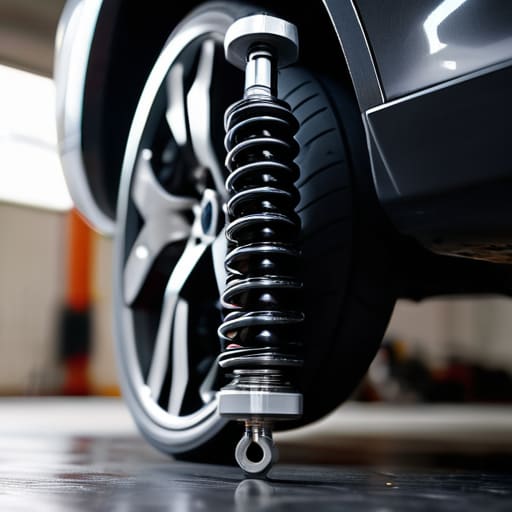
I was under my dad’s old Corolla last summer when the rhythm of the road changed—it wasn’t just a bump anymore, it was a violent, metallic clunk that vibrated straight through my wrench and into my teeth. Most shops will see that sound and immediately try to sell you a whole new suspension overhaul, quoting you numbers that look more like phone digits than actual repair costs. But here’s the truth: a bad ride doesn’t always mean a massive bill, and a DIY strut replacement is a lot more manageable than those service advisors want you to believe.
I’m not here to give you some textbook lecture or a list of fancy diagnostic codes that don’t mean anything in a real garage. I’m going to show you exactly how to tackle this job with the right tools and a bit of grit, even if you’ve never held a jack in your life. My goal is to walk you through the greasy reality of the job so you can get your car back on smooth pavement without getting ripped off by a dealership.
Table of Contents
The Real Strut vs Shock Absorber Difference
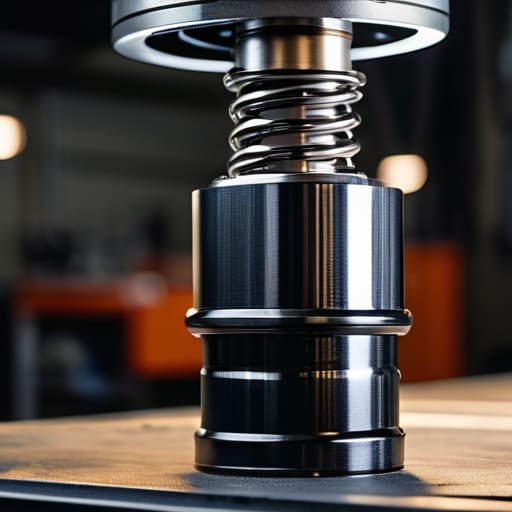
Look, I see this all the time in the shop. Someone comes in complaining about a bouncy ride, and they tell me, “Hey, I think I need new shocks.” Half the time, they actually have struts. Most people use the terms interchangeably, but if you’re trying to save money, you need to know the strut vs shock absorber difference before you start ordering parts.
Think of it this way: a shock absorber is just a component that dampens the bounce. It’s a standalone piece of hardware. A strut, however, is a structural part of your automotive suspension components. It’s a complete assembly that handles both the damping and the support for your vehicle’s weight. If you remove a strut, that corner of your car is literally going to sag because the strut is holding the chassis up.
If you’re noticing the car diving forward when you hit the brakes, or if you see uneven patches on your tread, you’re likely looking at the impact of bad struts on tire wear. Don’t just swap out a single part and hope for the best; if one side is shot, the other isn’t far behind.
Identifying the Signs of Worn Shock Absorbers

If you’re starting to feel like you’re driving a boat, pay attention. One of the most obvious signs of worn shock absorbers is that “bouncy” feeling where the car keeps oscillating long after you’ve hit a pothole or a speed bump. In a healthy setup, the suspension should soak up the hit and settle immediately. If your car feels like it’s constantly recovering from a bump, your dampening is shot. You might also notice the front end “diving” hard when you hit the brakes, or the rear squatting when you accelerate.
Keep a close eye on your rubber, too. A major, often overlooked impact of bad struts on tire wear is uneven tread patterns—specifically “cupping” or scalloped dips in the tread. This happens because the tire isn’t being held firmly against the road; it’s literally bouncing down the pavement. If you see those weird dips, your automotive suspension components are likely failing to keep things steady. Don’t ignore it, or you’ll be replacing more than just the struts very soon.
Don't Go In Blind: 5 Things I Wish I Knew Before Swapping Struts
- Get a decent spring compressor before you even touch a bolt. Don’t try to DIY a “hack” with bungee cords or something sketchy; those coil springs hold enough energy to actually hurt you if they slip.
- Always replace them in pairs. I’ve seen guys try to save a few bucks by only doing the driver’s side, but you’ll end up with a car that pulls to one side and ruins the new parts anyway.
- Check your mounts and bushings while you’re in there. If you’re already fighting with the heavy strut assembly, it’s a waste of time not to swap out those old, cracked rubber mounts for a few extra bucks.
- Don’t forget the alignment. Once you’ve messed with the suspension geometry, your toe and camber are going to be off. If you don’t get an alignment right after, you’re just going to shred your front tires in a month.
- Keep your magnetic tray handy. Between the mounting bolts and the small clips, things tend to go rolling under the chassis the second you let go of them, and trust me, you don’t want to be hunting for a 14mm bolt in a puddle of oil.
The Bottom Line Before You Start
Don’t let a shop talk you into replacing “shocks” if it’s actually a strut assembly; knowing the difference saves you a massive chunk of change on parts.
If your car is bouncing like a trampoline or leaning hard in corners, your struts are shot and it’s time to stop ignoring it before you ruin your tires.
You don’t need a specialized degree to handle this, but you do need to respect the tension in those springs—don’t get cheap with your tools or you’ll end up with a serious injury.
The Truth About Your Ride
Look, a shop is gonna tell you that a bumpy ride means you need a whole new suspension overhaul, but half the time, you’re just looking at worn-out struts. Don’t let them charge you for a luxury upgrade when all you really need is a decent set of replacements and a weekend in the driveway.
Nikolai·Osterman
Wrapping It All Up
Look, swapping out your struts isn’t some impossible feat of engineering, but you can’t go into it blind. We covered how to tell the difference between a simple shock and a full strut assembly, and more importantly, how to spot those warning signs like that annoying death wobble or uneven tire wear before they turn into a blown out suspension. Once you know what you’re looking at and you’ve got your tools laid out, the actual job becomes a lot less intimidating. Just remember: don’t rush the spring compression part, or you’ll end up with a very expensive, very loud mistake. Get the right gear, stay patient, and follow the steps.
At the end of the day, my goal isn’t just to help you fix a bumpy ride; it’s to help you take back control of your own vehicle. There is a massive sense of pride that comes from pulling into your driveway after a long shift, looking at your car, and knowing you were the one who kept it on the road. You don’t need to be a master technician to stop getting overcharged at the dealership for basic maintenance. Grab that jack, clear some space in the garage, and just start working. You’ve got this.
Frequently Asked Questions
Do I really need to replace the whole strut assembly, or can I just swap out the individual shocks?
Look, you can just swap the shock, but honestly? In most modern cars, you’re better off replacing the whole strut assembly. If you only swap the shock, you’re still working with an old, tired spring and a worn-out mount. It’s a massive pain to take it all apart just to realize the spring is sagging anyway. Save yourself the headache and the extra trips to the parts store—just grab the full assembly.
Is it safe to just replace one side, or am I going to mess up my alignment if I don't do both?
Look, you can technically swap just one, but honestly? Don’t do it. If you put a brand-new, stiff strut on one side and leave the old, tired one on the other, your car is going to handle like a shopping cart with a bad wheel. It’ll pull to one side and mess with your alignment. Save yourself the headache and the extra alignment fee—just replace them in pairs. It keeps things even.
How much of a headache is it going to be to compress those old springs without breaking anything?
Honestly? It’s the part that makes most people sweat, and for good reason. If you don’t respect the tension in those springs, they can fly out like a projectile. It’s not a “headache” if you have a decent set of spring compressors, but you can’t wing it with cheap, sketchy tools. Just take your time, make sure the tool is seated perfectly, and don’t rush the compression. Safety first, or you’ll regret it.
