
I remember helping my dad in the garage when I was ten, and even back then, I could tell when a car was acting “off.” Most people think that once your ride starts feeling like a boat on a choppy lake, you’re looking at a massive repair bill and a week at the shop. They get intimidated by the idea of shock absorber replacement, thinking it’s some high-level suspension surgery that requires a specialized degree. But honestly? Most shops will try to upcharge you for “suspension tuning” or extra labor that you just don’t need. It’s usually just a matter of getting your hands dirty and doing the work yourself.
I’m not here to give you some polished, textbook manual that makes things sound harder than they actually are. I’m going to walk you through the real, gritty process of shock absorber replacement using the same logic I use when I’m working on my own vintage tuners. I’ll tell you which bolts are going to be a nightmare, which tools are actually worth your money, and how to avoid the common mistakes that turn a quick afternoon job into a total headache. Let’s get to work.
Table of Contents
The Real Signs of Worn Shocks You Cant Ignore
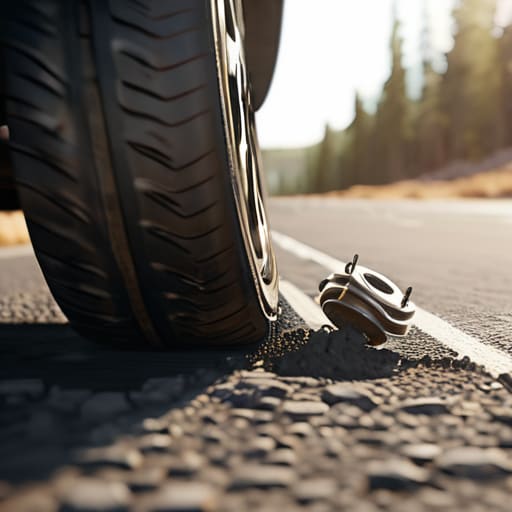
Look, your car will usually tell you when something is wrong, but most people just turn up the radio to drown out the noise. The most obvious signs of worn shocks usually show up when you hit a pothole or a speed bump and your car keeps bouncing like a trampoline for a few seconds afterward. A healthy suspension should soak up the impact and settle immediately. If you feel like you’re riding on a boat in choppy water, your dampers are likely shot.
Another thing to watch for is how the car behaves during braking or cornering. If the front end dives hard every time you hit the brakes, or if the back end feels loose and wanders when you’re taking a turn, you’re looking at serious issues with your vehicle handling and stability. You might even notice “oil weeping” on the body of the shock itself—if it looks wet and greasy, that’s a dead giveaway that the internal seals have failed. Don’t wait until you’re fighting the steering wheel just to stay in your lane; catch these damaged shock symptoms early before they start eating through your tires.
Strut vs Shock Absorber Difference Knowing Your Machine
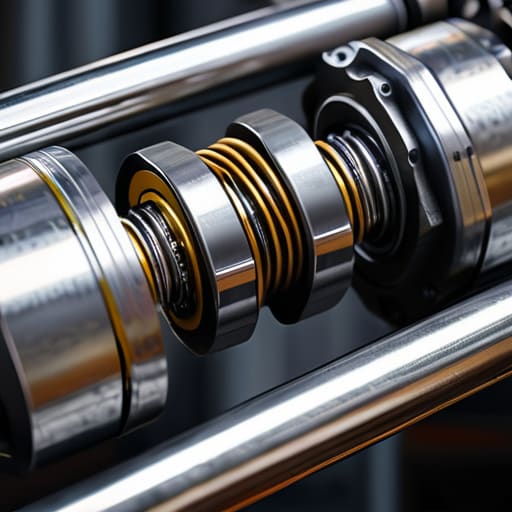
Look, I see this mistake all the time in the shop: people use the terms interchangeably, but if you go ordering parts without knowing the difference, you’re going to end up with a headache and a car that won’t sit right. The simplest way to wrap your head around the strut vs shock absorber difference is to look at how they’re built. A shock absorber is basically just a hydraulic cylinder that dampens movement; it doesn’t support the weight of your car on its own. You need a spring working alongside it to keep you off the pavement.
A strut, on the other hand, is a much more complex piece of hardware. It’s a structural part of your suspension that combines the shock, the spring, and a mounting point into one single unit. Because struts actually hold the vehicle up, they play a massive role in your overall vehicle handling and stability. If you’re dealing with certain damaged shock symptoms, you need to figure out if you’re just swapping a component or if you’re rebuilding the entire structural assembly. Get it wrong, and you’re just wasting time and money.
Pro Tips to Save Your Knuckles (and Your Wallet)
- Don’t try to wing it with cheap, unbranded parts. I’ve seen guys buy the absolute cheapest shocks they can find online just to save twenty bucks, only to have them leak or feel like garbage within a month. Stick to brands that actually know what they’re doing.
- Get yourself a decent spring compressor before you start. Trying to DIY a strut without one is a recipe for a trip to the ER, and trust me, no “save” is worth a steel spring snapping toward your face.
- Always replace them in pairs. If your front left is shot, the front right isn’t far behind. If you only swap one side, your car is going to handle like a shopping cart with a bad wheel, and you’ll be fighting the steering wheel every time you hit a corner.
- Keep your magnetic tray handy. I can’t tell you how many times I’ve spent twenty minutes crawling under a chassis looking for a single 14mm bolt that decided to hide in the grease. Keep your hardware in one spot so you aren’t hunting for it mid-job.
- Take photos of everything before you take it apart. Modern engine bays and suspension setups are crowded. If you forget how a specific clip or bracket was oriented, a quick photo from when you started will save you a massive headache when you’re trying to put it all back together.
The Bottom Line on Your Suspension
Don’t wait for a total failure; if your car feels like a boat on the highway or you’re seeing oil leaking down the side of the shock, it’s time to swap them out.
Make sure you know exactly what’s under your car—replacing a simple shock is a totally different job than dealing with a full strut assembly.
You don’t need a massive shop setup to do this, just the right tools, a bit of patience, and the guts to get your hands dirty.
## Don't Let a Bouncy Ride Drain Your Wallet
Most shops will try to tell you your whole suspension is shot just to pad the bill, but half the time, you’re really just looking at a couple of worn-out shocks that need a quick swap. Don’t let a little extra bounce scare you off; once you get the right tools and stop overthinking it, you’ll realize you’ve been overpaying for a fix you could’ve done yourself in an afternoon.
Nikolai·Osterman
Wrapping It All Up
Look, at the end of the day, replacing your shocks isn’t some impossible feat of engineering. We’ve covered the red flags—like that annoying nose-dive when you hit the brakes or the constant bouncing that makes your stomach turn—and we cleared up the whole strut versus shock confusion. Once you’ve got your tools laid out and you know exactly which part you’re dealing with, the hardest part is already over. Just remember to double-check your torque specs and don’t rush the process. If you can spot a leak or hear a clunk, you’ve already done the heavy lifting by identifying the problem; the rest is just getting your hands dirty.
I know it feels intimidating when you’re staring at a pile of heavy suspension components and a greasy underside, but don’t let that stop you. Every time you finish a job like this, you’re taking a piece of control back from the shops that try to overcharge you for simple labor. You don’t need a fancy certification to realize that you are capable of maintaining your own ride. So, grab your magnetic tray, clear some space in the driveway, and just start. Your car—and your wallet—will definitely thank you for it.
Frequently Asked Questions
Do I really need to replace the shocks on both sides at once, or can I just do one when I have the cash?
Look, I get it. Parts aren’t cheap, and sometimes you’re just trying to make the month work. But honestly? Do both sides at once. If you only swap one, you’re basically putting a brand-new spring on one side and a tired, worn-out one on the other. It messes with your car’s balance and can actually throw off your handling. Save yourself the headache and the extra trip to the jack; just do the pair.
Is it worth trying to rebuild my old shocks, or am I just wasting my time when I could just buy new ones?
Look, I get the temptation to save a few bucks by rebuilding them, especially if you’re working on a classic. But honestly? Most of the time, you’re just chasing your tail. Unless you’ve got a specific set of vintage parts that aren’t made anymore, just buy new ones. Modern shocks are way more consistent, and your time is worth more than the few dollars you’ll save playing chemist with old oil and seals.
What kind of tools am I actually going to need to get this job done without stripping a bolt or losing my mind?
Look, don’t go buying a $500 tool kit for this. You really just need a solid socket set—get the metric ones, most modern cars aren’t using SAE anymore—and a decent breaker bar for those stubborn mounting bolts. Grab some penetrating oil like PB Blaster; spray it on the day before or you’ll be fighting rust for hours. Oh, and a jack and jack stands are non-negotiable. Never, ever work under a car held up by just a jack.
