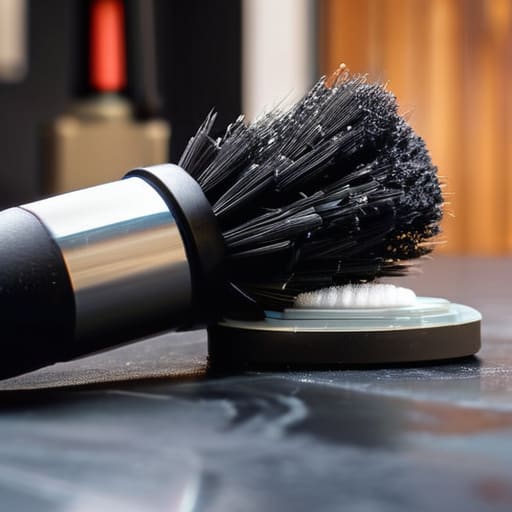
Look, if you walk into a big-box auto store and start browsing the aisles, you’re going to see a bunch of overpriced, shiny gadgets that promise “professional-grade results” but are really just marketing fluff designed to drain your wallet. I’ve seen guys spend hundreds on specialized kits before they even realize they don’t even have a decent microfiber towel. The truth is, most of those fancy car detailing tools you see in sponsored ads are a complete waste of your time and money. You don’t need a pressurized steam cleaner or a $500 polisher to make your ride look sharp; you just need to know which tools actually do the work and which ones are just for show.
I’m not here to sell you on some dream of a showroom finish that requires a degree in chemistry. My goal is to give you the straight talk based on what I actually use in my own garage when I’m working on my tuners. I’m going to break down the essential car detailing tools you actually need to get the job done right without getting ripped off. We’re sticking to the basics: gear that’s durable, effective, and won’t break the bank.
Table of Contents
- Mastering the Shine With Professional Car Detailing Equipment
- The Truth About Every Essential Automotive Cleaning Supplies Kit
- Don't Get Scammed: 5 Rules for Buying Detailing Gear
- Bottom Line: Don't Get Scammed by the Hype
- ## The Real Cost of a Clean Car
- Don't Let the Pros Gatekeep Your Shine
- Frequently Asked Questions
Mastering the Shine With Professional Car Detailing Equipment
Look, I’m not saying you need to spend your entire paycheck on gear, but there’s a massive difference between a bucket of soapy water and actual professional car detailing equipment. If you really want to take your finish from “looks okay” to “looks like a mirror,” you can’t skip the prep work. I always tell people to grab a decent clay bar kit before they even think about touching a buffer. If you try to polish over embedded grit and road grime, you’re basically just sanding your clear coat into oblivion, and that’s a mistake you can’t undo.
Once the surface is smooth, that’s when the real magic happens. If you’re serious about getting rid of those swirl marks and light scratches, investing in a solid dual action polisher is a game changer. It’s way safer for a beginner than a rotary machine because it’s harder to burn through the paint if you lose your rhythm. It’s all about having the right paint correction tools for the specific job. It takes a little practice to get the pressure right, but once you nail it, you’ll realize you’ve been overpaying shops for something you can do yourself in your own driveway.
The Truth About Every Essential Automotive Cleaning Supplies Kit
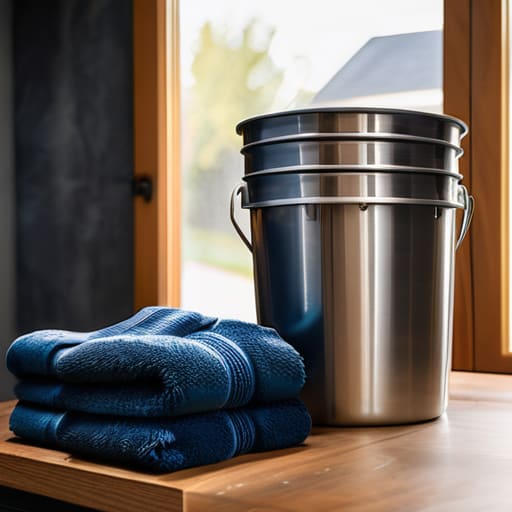
Look, you don’t need to drop a paycheck’s worth of money on every shiny gadget you see in a YouTube ad. Most of those “must-have” kits are just marketing fluff designed to empty your wallet. If you’re building your own automotive cleaning supplies setup, start with the basics that actually move the needle. You need a decent microfiber set, a high-quality wash mitt, and a bucket with a grit guard. If you skip these, you’re basically just scrubbing dirt back into your clear coat, which is a recipe for disaster.
Once you’ve got the washing down, that’s when you look at the stuff that actually fixes the finish. Don’t go out and buy a massive car interior detailing kit if your exterior is what’s actually looking trashed. If your paint feels like sandpaper, grab a clay bar kit to pull that embedded grit out of the surface. It’s a simple process, but it makes a world of difference before you even think about touching a polisher. Focus on the tools that solve real problems, not just the ones that look cool in a professional shop.
Don't Get Scammed: 5 Rules for Buying Detailing Gear
- Stop buying those cheap, generic microfiber towels from the big-box stores. They’re basically sandpaper for your clear coat. Spend the extra few bucks on high-GSM microfibers that actually absorb water instead of just pushing dirt around.
- Skip the “all-in-one” kits that promise everything. Usually, they’re just a bunch of watered-down chemicals in fancy bottles. It’s better to buy one decent wheel cleaner and one solid quick detailer than ten mediocre products that don’t actually work.
- If you’re planning on doing any real work, get a dedicated wash mitt with a deep pile. Using a sponge is a rookie mistake—it traps grit against the paint and creates those annoying swirl marks that make your car look old.
- Don’t ignore your brushes. You need a soft-bristle detailing brush for those tight gaps around the emblems and vents. If you try to clean those spots with a rag, you’re just going to scratch the finish or miss the grime entirely.
- Invest in a decent bucket with a grit guard. It sounds like overkill, but it keeps the dirt you just washed off the car at the bottom of the bucket so you aren’t picking it right back up on your next pass. It’s a game changer.
Bottom Line: Don't Get Scammed by the Hype
You don’t need a $500 detailing kit to make your car look decent; focus on getting high-quality microfiber towels and a solid wash mitt first.
Skip the “all-in-one” cheap supermarket sprays that claim to do everything—they usually just scratch your clear coat and leave a film.
The most important tool you have isn’t a machine, it’s patience; rushing a wash or a polish is the fastest way to ruin your paint job.
## The Real Cost of a Clean Car
Look, you don’t need to drop a paycheck on a professional-grade buffer just to get the grime off your daily driver. Most of those fancy marketing kits are just overpriced plastic; if you’ve got decent microfiber, a solid wash mitt, and enough patience to do it right, you’ll beat a professional finish every single time.
Nikolai·Osterman
Don't Let the Pros Gatekeep Your Shine
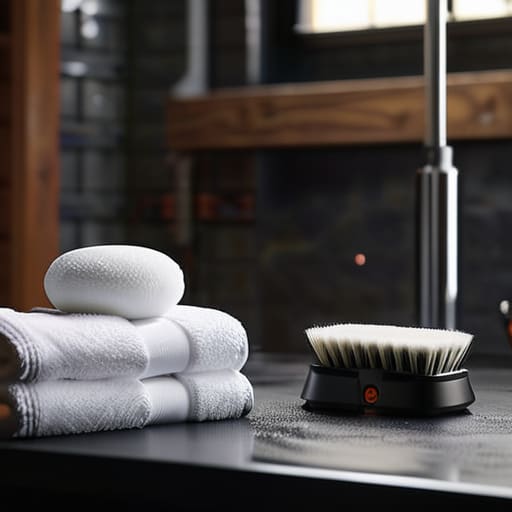
Look, we’ve covered a lot of ground here, from the high-end polishers to the basic microfiber towels you can’t live without. The bottom line is that you don’t need to drop a paycheck’s worth of money on every shiny gadget you see on a commercial. If you’ve got a decent bucket, some quality soaps, and the right brushes for those tight crevices, you’re already ahead of most people on the road. It’s about building a kit that actually works for your specific car and your budget, rather than just buying everything because a salesperson told you it’s “professional grade.” Just remember: the tool is only as good as the person using it.
At the end of the day, detailing isn’t just about making a car look pretty for a weekend cruise; it’s about taking pride in what you drive and protecting your investment. There’s something incredibly satisfying about pulling your car out of the driveway after a long Saturday in the garage, knowing you did the work yourself. Don’t let the intimidation factor of “professional detailing” stop you from getting started. Grab a sponge, get your hands a little dirty, and start reclaiming your time and your money. You’ve got this.
Frequently Asked Questions
Do I really need a dual-action polisher, or can I get away with just using a hand buffer for minor scratches?
Look, if you’re just trying to buff out some light swirl marks or clear up some oxidation, you can definitely get away with hand polishing. It’ll take more elbow grease and patience, but it won’t hurt anything. However, if you’re dealing with actual scratches or want that deep, mirror-like finish, a dual-action polisher is a game changer. It does the heavy lifting so you don’t burn through your clear coat.
Is it worth dropping a ton of cash on those high-end microfiber towels, or will the cheap ones from the big-box store do the job?
Look, I’ve seen guys ruin a decent clear coat because they were too cheap to buy better towels. If you’re just wiping down some muddy floor mats, the big-box store stuff is fine. But for your paint? Don’t risk it. Those high-end microfibers are thicker and grab the grit that causes swirl marks. It’s not about being fancy; it’s about not scratching your investment. Buy the good ones for the finish work.
What’s the bare minimum I need to buy if I just want to keep my daily driver looking decent without turning my driveway into a professional shop?
Look, if you aren’t trying to win a show, don’t go buying a whole cabinet of stuff. You really only need the basics: a decent two-bucket wash system (to avoid scratching your paint), a high-quality microfiber wash mitt, and a dedicated drying towel. Grab a bottle of pH-neutral soap and some interior cleaner for the dash. That’s it. Keep it simple, don’t overcomplicate it, and you’ll keep your daily driver looking solid.
