
I remember sitting in my dad’s garage last summer, staring at a dashboard light that wouldn’t quit blinking, while a shop foreman tried to tell me I needed a full sensor replacement just to “diagnose” the issue. It’s the same old story: shops love to gatekeep information to pad their invoices. They make you think you need a thousand-dollar scanner just to figure out why your TPMS is acting up, but honestly, a decent tire pressure sensor tool is all you really need to stop the guessing game. You don’t need to pay a mechanic’s hourly rate just to find out a sensor’s battery is dead or a valve stem is leaking.
Look, I’m not here to sell you on some high-end, professional-grade diagnostic suite that you’ll only use once. My goal is to show you the practical stuff—the tools that actually work for people working out of their own driveways. I’m going to break down exactly what to look for in a tire pressure sensor tool so you can handle these sensors yourself without getting ripped off. I’ll give you the straight truth on what’s worth your cash and what’s just expensive garage clutter.
Table of Contents
Mastering the Tpms Relearn Procedure at Home
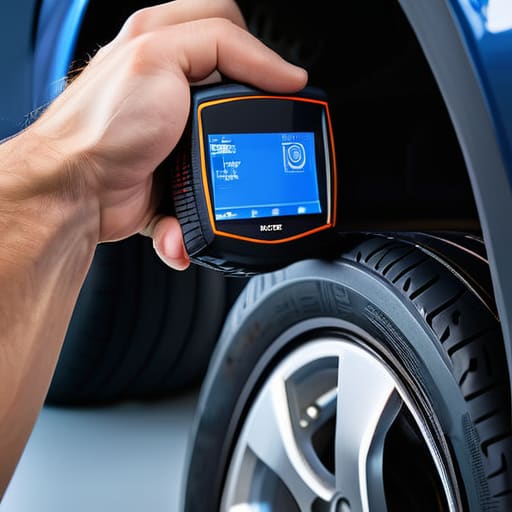
Once you’ve got your tools ready, the actual TPMS relearn procedure isn’t as intimidating as the dealerships make it sound. Most of the time, your car just needs to be “introduced” to the sensors again after a rotation or a replacement. If you’re dealing with a tire pressure sensor malfunction light that won’t quit, you’ll likely need to trigger each sensor one by one. Some cars let you do this through the dashboard menu, but usually, you’ll need a handheld device to send a signal to the wheel. It’s basically just a digital handshake between the sensor and the car’s computer.
I’ve seen plenty of people get stuck because they try to skip steps, but you really just need to be methodical. Grab your sensor tool, pop it against the valve stem, and follow the sequence your car requires—usually starting from the front left and working your way around. If you’re doing a full TPMS sensor replacement guide style overhaul, make sure you aren’t rushing the signal. Patience is everything here; if the computer doesn’t register the code on the first try, don’t panic. Just reset and try again.
Solving a Tire Pressure Sensor Malfunction Yourself
When that annoying light pops up on your dash, your first instinct might be to book a shop appointment, but don’t panic. Most of the time, a tire pressure sensor malfunction isn’t a catastrophic failure; it’s often just a sensor that’s lost its connection or a battery that’s finally kicked the bucket. Before you go spending hundreds on a shop labor fee, try a basic tire pressure monitoring system diagnostic. Check your actual PSI levels first with a standard gauge to rule out a simple leak. If the pressures are all fine but the light stays on, you’re likely looking at a sensor that needs a reset or a replacement.
If you’ve already swapped out a dead sensor, you can’t just slap it in and hope for the best. You’ll need to walk through a TPMS relearn procedure so your car’s computer actually recognizes the new hardware. Depending on what you’re driving, this might involve a specific handheld tool or even some OBDII sensor programming to sync everything up. It’s a bit of a learning curve, but once you get the hang of it, you’ll realize these “complex” electronic issues are just another part of routine automotive tire maintenance tools and logic.
Pro Tips for Not Wasting Your Time (or Money) on TPMS
- Don’t just buy any cheap sensor; make sure the tool you’re getting is actually compatible with your car’s specific frequency, whether it’s 315MHz or 433MHz, or you’re just buying a paperweight.
- Always keep a small bottle of soapy water handy; if you think a sensor is leaking air, spray it on the valve stem to see if you’ve got a real leak or just a sensor that’s acting up.
- Grab a dedicated TPMS activation tool rather than trying to “force” the sensor to wake up with a generic scanner; those little handheld triggers save you a massive headache during a relearn.
- Check your sensor battery life before you start a full service; if your car is more than five or six years old, the sensors might be dying, and no amount of resetting is going to fix a dead battery.
- Keep your magnetic parts tray close when swapping sensors; those tiny valve cores are incredibly easy to lose in a greasy garage, and finding one in the floor cracks is a nightmare.
The Bottom Line on Managing Your TPMS
Don’t let a dashboard light panic you; most TPMS issues are just simple sensor resets or low pressure that you can fix without paying shop labor rates.
Invest in a decent TPMS tool if you plan on rotating your tires or changing them yourself, because it’ll save you a massive headache during the relearn process.
Always double-check your actual tire pressure with a manual gauge before assuming the sensor is actually broken—sometimes the tech is fine, the air just isn’t.
Don't Let a Dashboard Light Fleece You
“Most shops will try to charge you an hour of labor just to reset a sensor, but once you grab a decent TPMS tool, you realize it’s a five-minute job that anyone with a bit of patience can handle.”
Nikolai·Osterman
Don't Let a Sensor Scare You Off

Look, at the end of the day, dealing with TPMS issues really boils down to two things: having the right sensor tool and not panicking when that little light pops up on your dash. We’ve walked through how to handle a relearn procedure, how to spot a malfunction before it turns into a headache, and why investing in a decent tool is way better than paying a shop eighty bucks just to press a few buttons. You don’t need to be a master tech to keep your tires monitored and your ride safe; you just need to stop guessing and start using the right gear to get the job done.
I know it can feel intimidating when you’re staring at a dashboard full of warning lights, but trust me, most of this stuff is just logic and a bit of patience. Every time you fix something yourself instead of handing your keys over to a service advisor, you’re taking control of your own wallet and your own machine. Keep that magnetic tray handy, keep learning, and remember that most repairs are just about having the right tool. You’ve got this, so get out there and start working on it.
Frequently Asked Questions
Do I actually need a dedicated TPMS tool, or can I just use a standard OBDII scanner to reset the light?
Honestly? Most of the time, a standard OBDII scanner won’t cut it for TPMS. An OBDII tool is great for reading engine codes, but it usually can’t “talk” to the individual sensors inside your wheels to trigger a relearn. If you’ve swapped a tire or hit a massive pothole, you’ll likely need a dedicated TPMS tool to actually sync everything up. Don’t waste your time trying to reset it through the dash if the sensor itself is acting up.
Is it worth buying a handheld sensor tool if I only plan on doing this once every few years?
Honestly? If you’re only messing with it once every few years, don’t waste your cash on a dedicated handheld tool. Those things can get pricey, and they’ll just sit in your junk drawer collecting dust. Save your money. Most shops will do a quick scan for a small fee, or you can just learn the manual relearn sequence for your specific car. Unless you’re planning on DIYing more than just tires, it’s not worth the investment.
Can I use a generic tool for any car brand, or do I need something specific for my vehicle's manufacturer?
Look, here’s the deal: it depends on what you’re trying to do. If you just want to check the actual pressure, a standard gauge works on everything. But if you’re trying to trigger a relearn or reset a sensor, generic tools are a gamble. Some brands are picky and won’t talk to cheap, universal scanners. I usually tell people to check their specific frequency first—don’t waste money on a tool that your car’s computer will just ignore.
