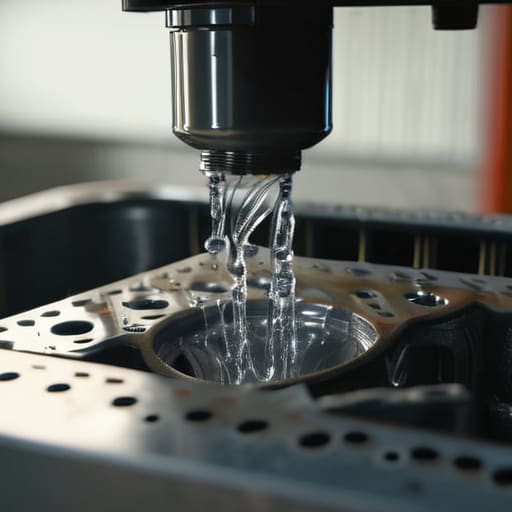
I still remember the first time I tried to rebuild a carburetor in my dad’s garage using nothing but a handful of old toothbrushes and a bucket of gasoline. The smell was absolutely brutal, and honestly, I spent more time scrubbing grime than actually fixing the damn thing. I ended up with black sludge under my fingernails for a week and a pile of components that still looked like they’d been pulled from a swamp. That’s when I realized that if you’re serious about doing things right, you can’t just wing it with DIY cleaning hacks; you actually need a decent parts washer to see what you’re really working with.
Look, I’m not here to sell you on some $2,000 industrial-grade setup that requires a specialized degree to operate. I’ve spent enough time under hoods and staring at greasy engine internals to know that you just need something that works without breaking the bank. In this guide, I’m going to give you the straight truth on what to look for, from manual tubs to electric models, so you can stop fighting the grease and start actually finishing your projects.
Table of Contents
- Choosing Your Weapon Solvent Based vs Aqueous Cleaners
- The Truth About Industrial Degreasing Solutions
- Pro Tips from the Shop Floor: How Not to Mess Up Your Cleaning
- The Bottom Line: Don't Overcomplicate Your Setup
- ## The Real Value of a Clean Workspace
- Bottom Line: Get Cleaning
- Frequently Asked Questions
Choosing Your Weapon Solvent Based vs Aqueous Cleaners
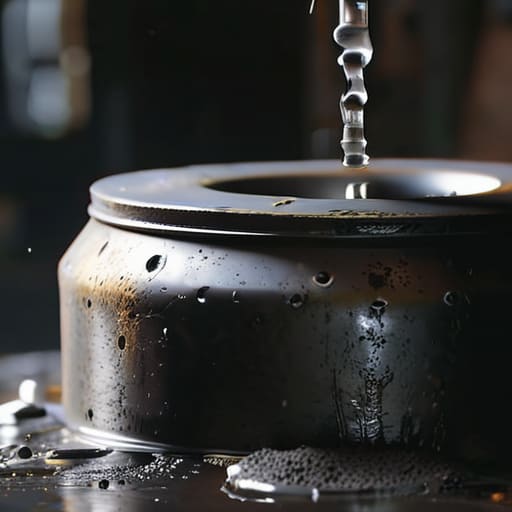
When you’re standing in front of the shelf looking at different liquids, it’s easy to get overwhelmed. The real debate usually boils down to solvent-based vs aqueous cleaners. If you’re working on an old project car with decades of baked-on sludge and heavy grease, solvents are going to be your best friend. They cut through thick grime almost instantly, which feels like magic when you’re trying to get a piston back in. But, there’s a catch: they smell like a chemical plant and you really have to prioritize workshop safety for chemical cleaners so you aren’t breathing that stuff in all afternoon.
On the flip side, aqueous cleaners—basically high-tech, soapy water solutions—are way more chill for a home setup. They aren’t as aggressive, but they’re much safer for your skin and your lungs. If you’re just doing routine maintenance on modern engine component cleaning tools, an aqueous setup is usually more than enough. You might have to scrub a little longer, but you won’t feel like you need a hazmat suit just to finish the job. It’s all about deciding if you need raw power or a cleaner workspace.
The Truth About Industrial Degreasing Solutions
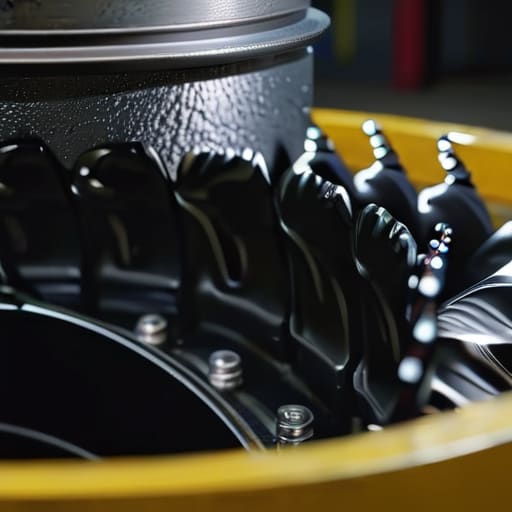
Look, when you start looking into industrial degreasing solutions, it’s easy to get overwhelmed by the chemical jargon. Most of the stuff you see in big-box stores is fine for a quick wipe-down, but if you’re actually tearing down a transmission or cleaning out a crusty engine block, you need something that actually eats through carbon buildup. The big industrial stuff is powerful, sure, but it’s also a headache if you don’t know what you’re doing.
The real trap is thinking that “stronger” always means “better.” I’ve seen guys ruin gaskets or even melt certain plastics because they grabbed a heavy-duty solvent without checking the compatibility. If you’re going to play with the heavy stuff, you have to prioritize workshop safety for chemical cleaners. It’s not just about wearing gloves; it’s about making sure your ventilation isn’t trash and you aren’t breathing in fumes that’ll make you lightheaded halfway through the job. Treat the chemicals with respect, and they’ll do the work for you.
Pro Tips from the Shop Floor: How Not to Mess Up Your Cleaning
- Don’t get cheap with the fluid. I’ve seen guys try to save a few bucks by reusing old, sludge-filled solvent, but all that does is coat your parts in a layer of dirty grit that makes them harder to inspect. If the liquid looks like black coffee, it’s time to dump it and start fresh.
- Watch your ventilation. I know it’s tempting to tuck a parts washer into a corner of the garage and just close the door, but those fumes will wreck your head real fast. Always keep a window cracked or a fan running; your lungs will thank you later.
- Use a dedicated brush, not just your hands. You can scrub all day with a rag, but you aren’t getting into the nooks and crannies of a transmission case or a cylinder head. Grab a stiff-bristled nylon brush to actually knock the baked-on gunk loose.
- Dry your parts immediately. Leaving metal components to air-dry after a wash is a rookie mistake. It’s a one-way ticket to surface rust, especially if you’re working on anything high-carbon. Grab some compressed air or a clean shop towel and get them bone-dry right away.
- Keep your magnetic tray handy. Seriously, don’t be that guy who drops a perfectly clean bolt into a bucket of greasy solvent because he didn’t have a spot to put it. Clean the part, dry it, and immediately drop the hardware into your tray so you aren’t hunting for it mid-rebuild.
The Bottom Line: Don't Overcomplicate Your Setup
Don’t go overboard buying a massive industrial unit if you’re just cleaning parts in a home garage; a reliable, mid-range setup is plenty to keep your projects from turning into a greasy mess.
Pay attention to what you’re actually cleaning—use aqueous cleaners for general grime to stay safe, but keep a dedicated solvent option on hand for those stubborn, baked-on oil deposits that won’t budge.
The real secret isn’t the brand name on the machine, it’s the maintenance; change your fluid regularly so you aren’t just swirling old sludge around your expensive components.
## The Real Value of a Clean Workspace
“Look, you can spend hours scrubbing a greasy part with a rag and some spray, or you can just drop it in a parts washer and actually get back to the repair. A clean component isn’t just about looks; it’s about being able to see the actual cracks or wear that’s hiding under all that sludge before it turns into a massive repair bill.”
Nikolai·Osterman
Bottom Line: Get Cleaning
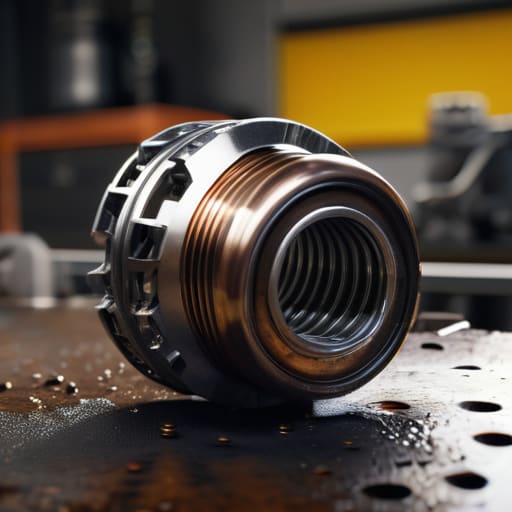
Look, at the end of the day, whether you decide to go with a traditional solvent-based setup for that heavy-duty grime or a safer aqueous system to keep your garage smelling less like a chemical plant, the goal is the same: visibility. You can’t diagnose a hairline crack in a housing or see if a bolt thread is stripped if it’s buried under a layer of old, burnt oil and road grit. Investing in a decent parts washer isn’t just about being “clean”; it’s about actually seeing what you’re working on so you don’t miss the small stuff that turns a simple fix into a total engine rebuild. Don’t let the mess hide the truth about your components.
I know it feels like just another expense when you’re trying to build up your tool kit, but trust me, it pays for itself the first time you avoid a mistake because you could actually see the part clearly. You don’t need a professional-grade, industrial-sized station to do this right; you just need the right approach and a bit of discipline. Stop fighting with old rags and buckets of diesel that just move the dirt around. Grab a washer, clear your workspace, and take control of your repairs. Once you start seeing the details, you’ll realize that keeping your car running isn’t magic—it’s just good maintenance.
Frequently Asked Questions
Is it actually safe to use a parts washer in my home garage without a professional ventilation setup?
Look, I’ll be straight with you: if you’re using heavy-duty solvent, a standard garage is a gamble. Those fumes build up fast, and breathing them in is a quick way to ruin your health. If you’re working in a closed space, stick to aqueous (water-based) cleaners—they’re way safer for home setups. If you must use solvent, keep the big garage door wide open and get a high-powered fan running. Don’t be reckless.
How often do I really need to swap out the cleaning fluid before it becomes useless sludge?
Look, there’s no set schedule, but if the fluid looks like black coffee or starts smelling funky, it’s done. I usually check mine after every big job. If you’re cleaning heavy sludge from a transmission, that fluid is going to get trashed fast. Don’t try to stretch it by adding fresh stuff to the old muck; you’ll just end up with a diluted mess that doesn’t actually clean anything. When in doubt, dump it.
Can I use a parts washer on delicate sensor components, or am I just going to ruin them?
Keep those sensors far away from the washer. Seriously. If you dunk a delicate sensor—like an MAF or an O2 sensor—into a tank of solvent, you’re basically asking for a massive repair bill. The chemicals can eat through the protective coatings or clog the tiny sensing elements. If they’re greasy, use a dedicated electronic cleaner spray instead. Stick to the heavy-duty washing for metal brackets and engine casings, not the brains of the car.
